Chinese Plum
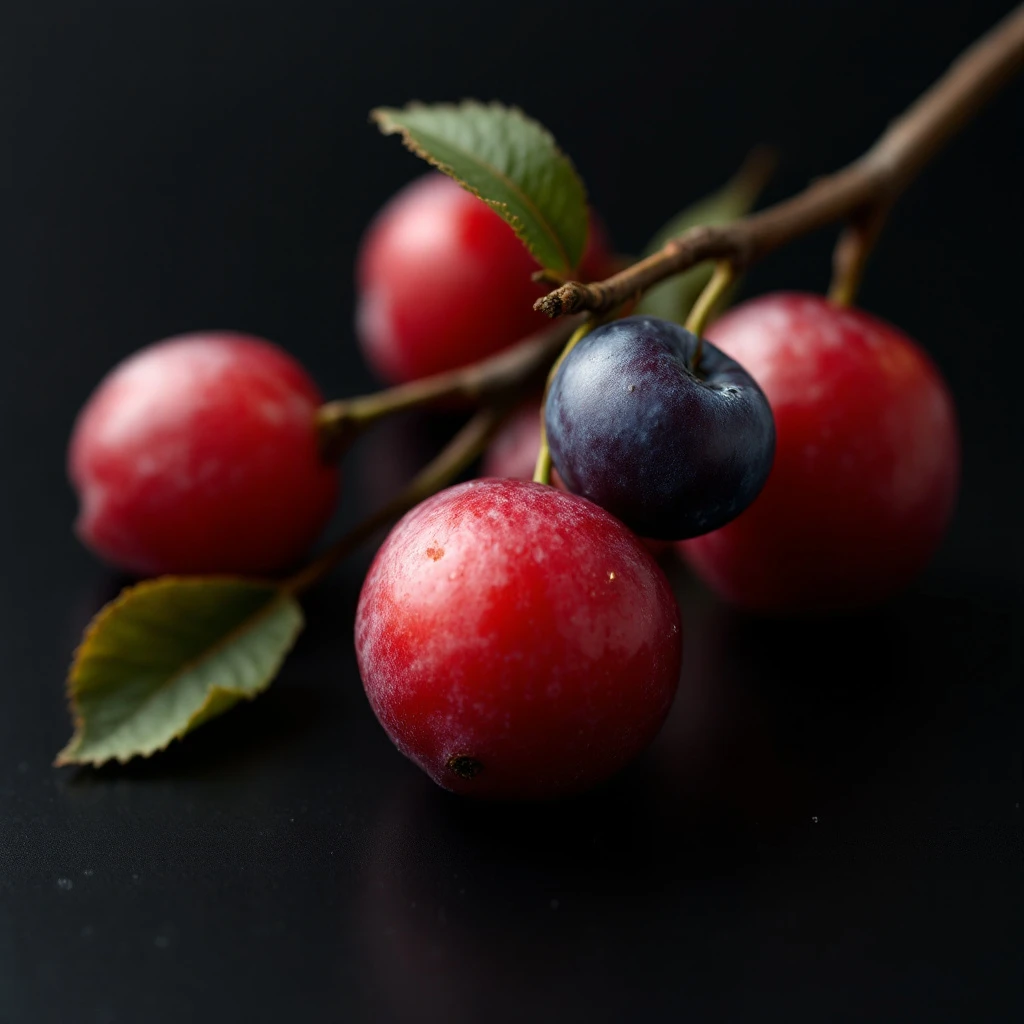
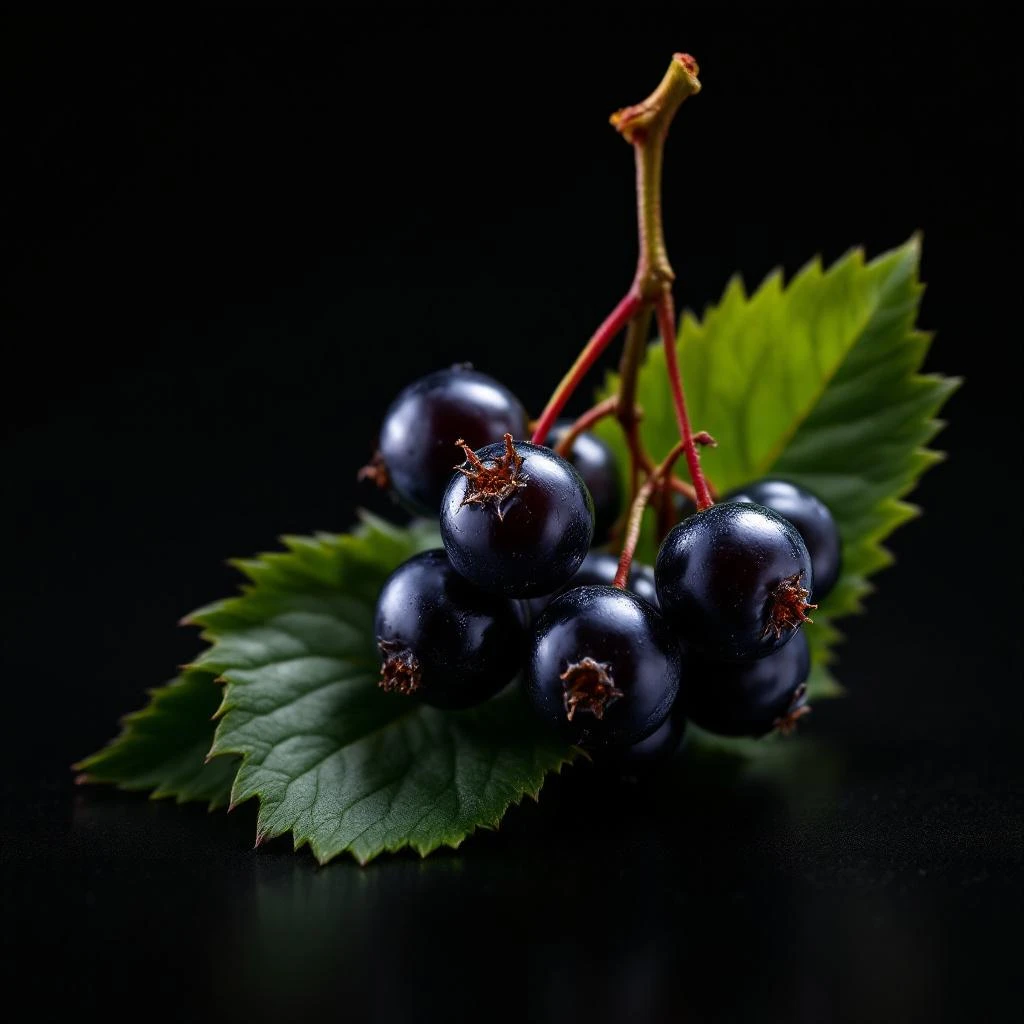
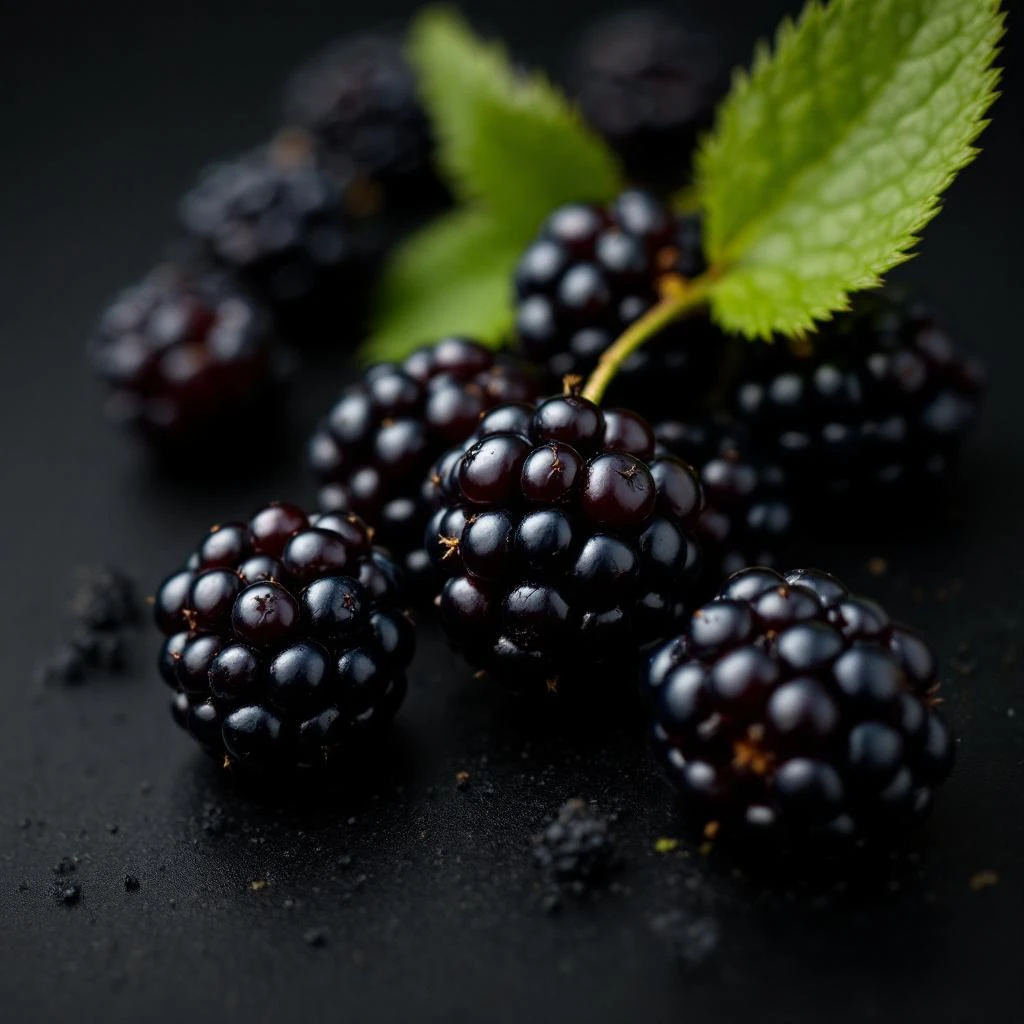
Plum in perfumery is a master illusion. Chemists recreate the fruit's velvety sweetness using damascones, capturing that perfect balance of tartness and honeyed depth that ancient Chinese poets celebrated in their verses.
Character
How it smells
The velvet fruit that never was — captured only in chemistry.
Most plum fragrances contain zero actual plum. Perfumers use damascones, compounds originally discovered in black tea, to conjure the fruit's signature scent.



Origin
China
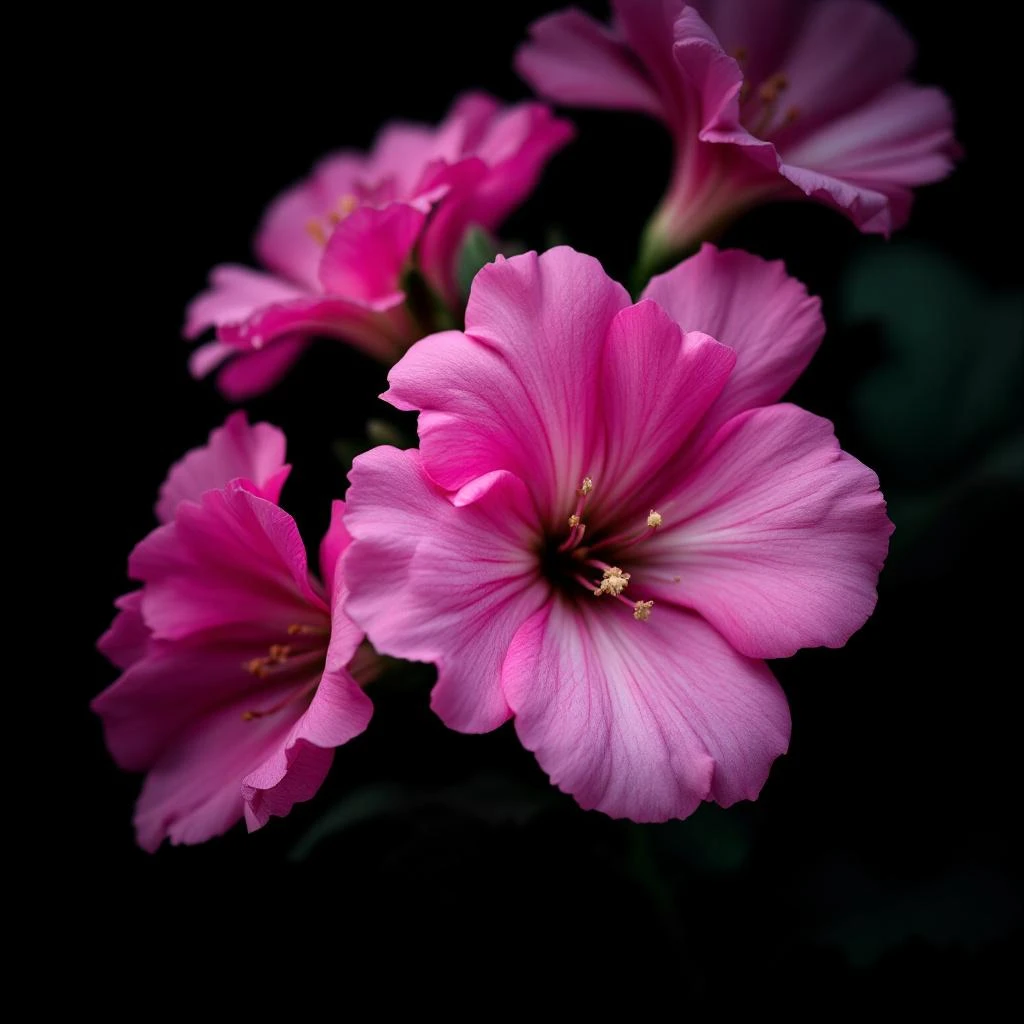
Prunus mume, the tree producing Chinese plum fruit and blossom, has been cultivated across China for over 2,000 years. Unlike jasmine, which arrived from Western Asia during the Tang dynasty, plum held established symbolic meaning in Chinese culture long before perfumery existed.
The five-petaled blossom represents resilience and the arrival of spring in classical poetry, featuring prominently in visual arts and winter festivals. The fruit itself held culinary importance—in the Jiangsu and Zhejiang regions, pickled plums remain a kitchen staple.
This dual presence in food and art prepared the cultural ground for plum's eventual role in perfumery. When European chemists sought to bottle the fruit's character in the 20th century, they worked with an ingredient already rich in meaning, even as the final scent would come entirely from the laboratory.
Wears it best
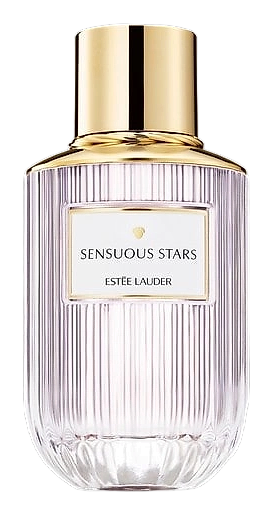
Fragrances featuring Chinese Plum
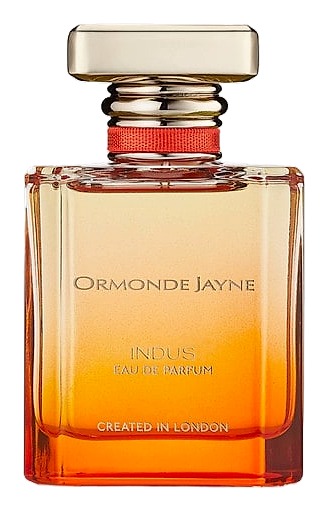
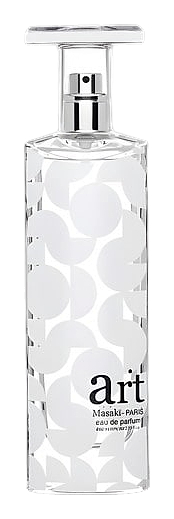
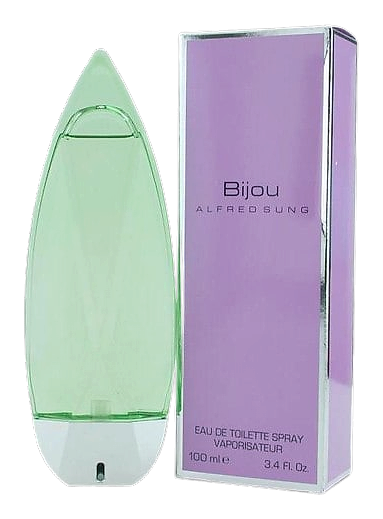
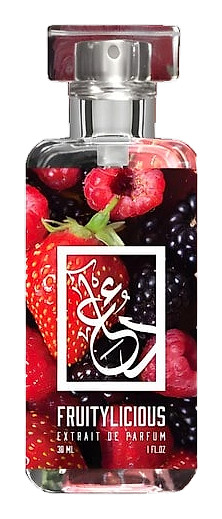
Brands
Brands known for Chinese Plum
Good to know
Questions, answered
The essentials on Chinese Plum in perfumery: how it smells, where it comes from, and how it behaves on skin.
Is Chinese Plum a natural or synthetic ingredient?
Chinese Plum is almost exclusively synthetic. Direct extraction from the fruit is not feasible due to the absence of extractable aromatic oils. Perfumers recreate the scent using laboratory-synthesized damascones.
What chemical compounds create plum's characteristic smell?
Beta-damascone and delta-damascone are the primary molecules used. These compounds are ketones originally identified in black tea and damask roses. Gamma-decalactone adds a creamier, juicier interpretation.
How does Chinese Plum differ from plum blossom absolute?
Plum blossom absolute retains a connection to the living plant through solvent extraction of flowers. It carries an almond-floral character. The fruit-associated plum note exists only in synthetic form through damascones.
Did plum contribute to ancient Chinese perfumery traditions?
Evidence of perfume ingredients in China dates to 4500 BCE, but plum primarily held culinary and symbolic roles for centuries. Its transformation into a perfumery note required 20th-century chemistry to become reality.
What fragrance families typically feature plum notes?
Plum appears frequently in oriental and chypre compositions for warmth, in fruity florals for sweetness, and increasingly in gender-neutral designer scents where jammy depth replaces traditional florals.
Why cannot plum be extracted like other fruit notes?
Plum fruit contains no significant aromatic oils suitable for traditional extraction methods. The cellular structure and oil composition make direct extraction impractical even at industrial scale.
What is the cultural significance of plum in Chinese tradition?
Plum blossom appears throughout Chinese visual arts and poetry as a symbol of resilience, blooming in winter before other flowers. The fruit also holds culinary importance in Jiangsu and Zhejiang provinces where pickled plums remain common.
Is damascenone related to damascone used for plum?
Yes. Damascones and damascenones share biosynthetic origins and similar odor profiles. Both occur naturally in rose oil and contribute to plum's characteristic sweet-tart character in perfumery.