Chinese jasmine absolute
Few ingredients in perfumery command the reverence of jasmine absolute. Prized for its opulent floral warmth, animalic depth, and remarkable versatility, this golden liquid has anchored the world's most iconic fragrances for over a century.
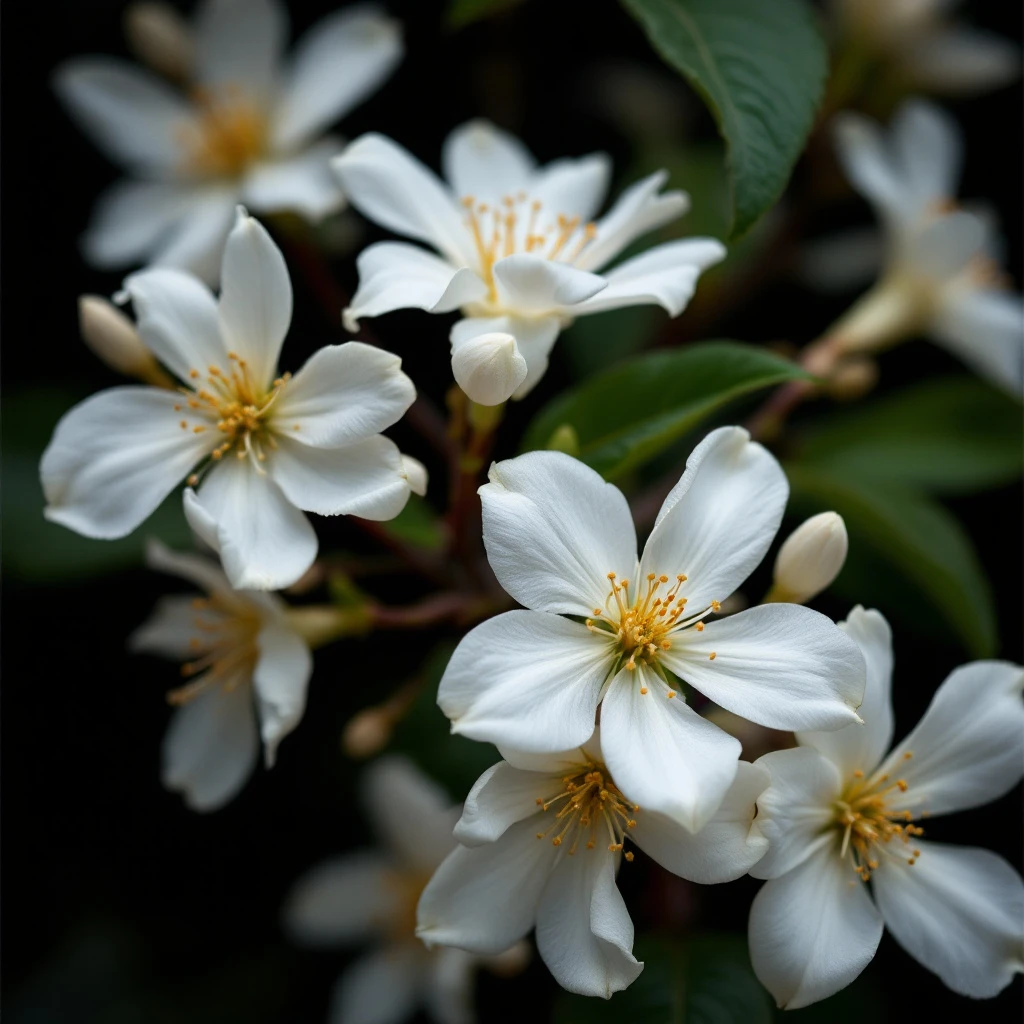
Character
How it smells
The floral heart of modern perfumery.
It takes roughly 8 million jasmine blossoms and 24 hours of harvest labor to produce a single kilogram of absolute, making it one of the most labor-intensive naturals in the world.
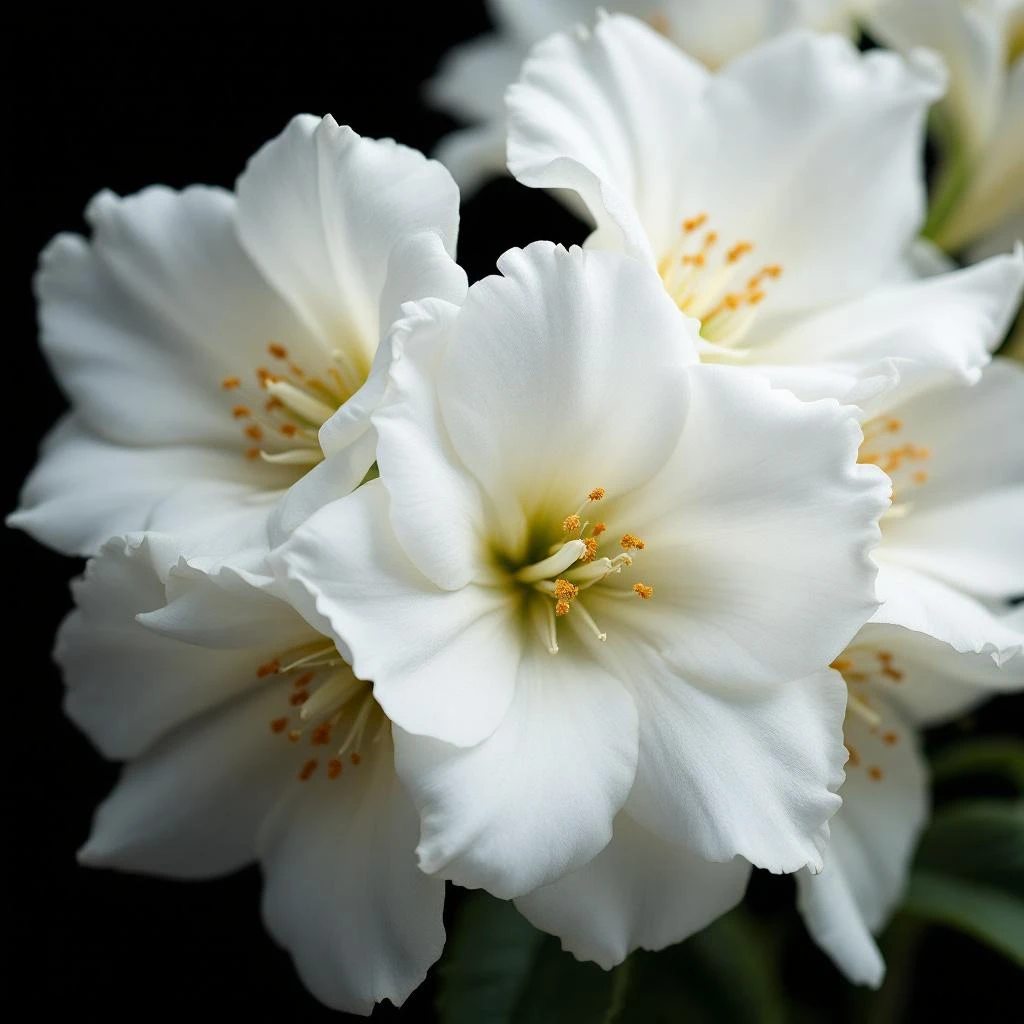




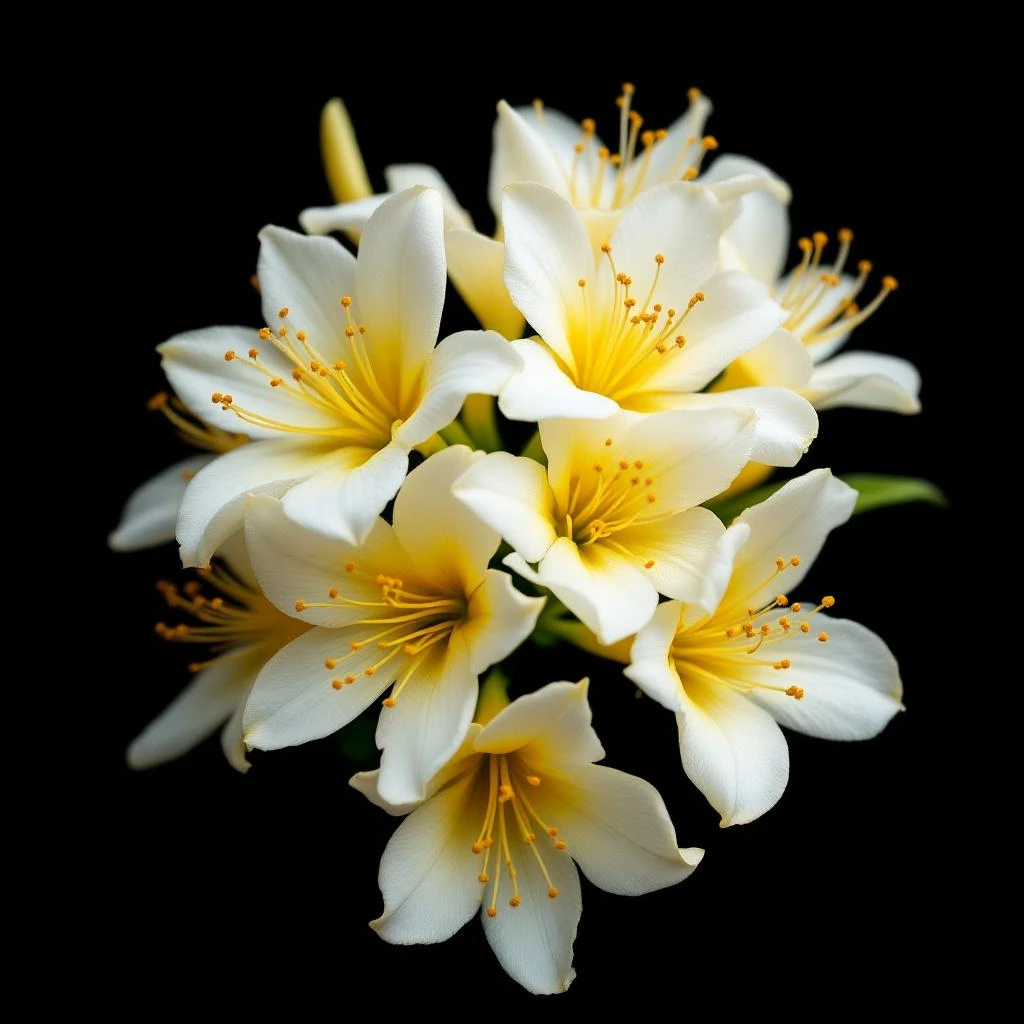
Origin
China
Jasmine traces its roots to the eastern Himalayas, where it flourished long before becoming a perfumery icon. The flower spread through Southeast Asia, embedding itself in the cultural fabric of nations: it became the national flower of the Philippines and holds deep ceremonial significance across India, China, and Indonesia. The Moors introduced jasmine to Spain during the 1600s, and from there it traveled north into Italy and France.
By the 1850s, Grasse had established itself as the epicenter of jasmine cultivation in Europe, perfecting both growing techniques and extraction methods. Today, Egypt stands as the world's largest producer of jasmine absolute for perfumery, with vast estates concentrated along the Nile Delta. China and India maintain robust production traditions, each offering distinct aromatic profiles shaped by their local soil, climate, and harvesting practices.
Chinese jasmine absolute is particularly valued for its rich, indolic character and its pronounced creamy warmth.
Wears it best
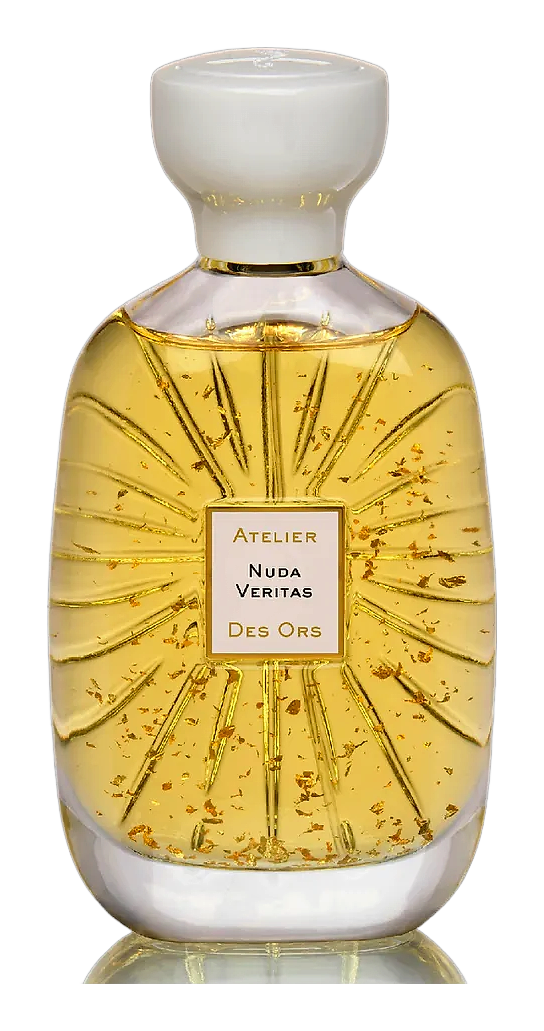
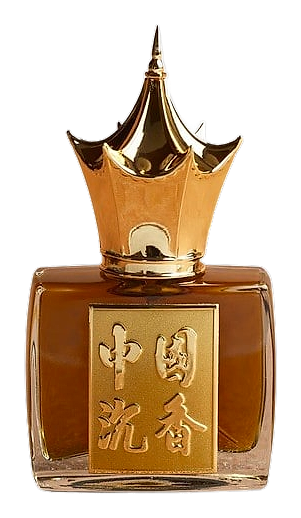
Fragrances featuring Chinese jasmine absolute
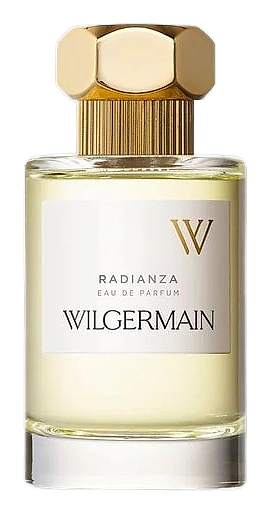
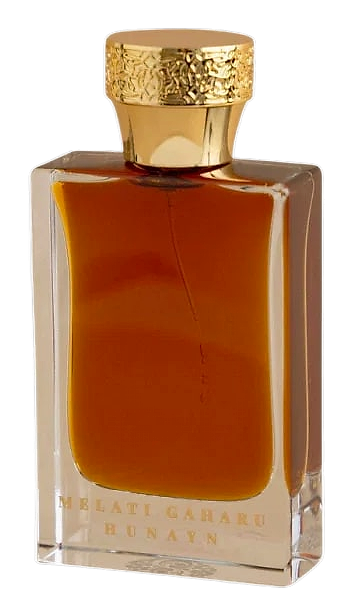
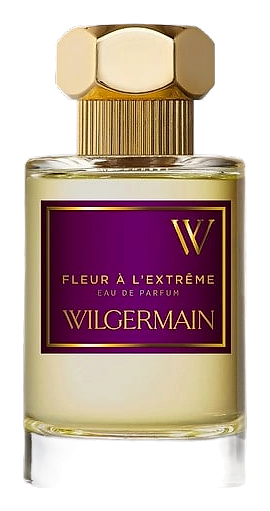
Brands
Brands known for Chinese jasmine absolute
Good to know
Questions, answered
The essentials on Chinese jasmine absolute in perfumery: how it smells, where it comes from, and how it behaves on skin.
What does Chinese jasmine absolute smell like?
Chinese jasmine absolute presents a rich, warm floral scent with creamy indolic undertones. It balances heady white-flower intensity with a softer, honeyed base that differentiates it from sharper jasmine varieties grown elsewhere.
Why is jasmine absolute so expensive?
Jasmine blossoms must be hand-picked at dawn when their aromatic compounds peak, and approximately 8 million flowers are required to produce a single kilogram of absolute. Labor costs alone drive the price significantly higher than most naturals.
How is jasmine absolute different from jasmine essential oil?
True jasmine essential oil does not exist commercially. What the industry calls jasmine oil is always absolute, extracted via solvent. Steam-distilled jasmine yields a different, inferior product that lacks the full aromatic profile.
What is the difference between Jasmine Sambac and Jasmine Grandiflorum?
Sambac jasmine, native to South and Southeast Asia, offers a more indolic, intensely sweet character. Grandiflorum, the species used in Grasse perfumery, presents a lighter, more fruity-floral profile with greater elegance.
Can jasmine absolute be replicated synthetically?
Synthetics like Hedione (methyl dihydrojasmonate) approximate jasmine's fresh, airy qualities. However, no synthetic fully replicates the complexity of natural jasmine absolute, which contains over 100 identified aromatic compounds.
What fragrances feature jasmine absolute?
Jasmine absolute appears in legendary compositions including Chanel No. 5, Guerlain Shalimar, and countless modern florals. Its versatility allows it to serve as a heart-note anchor in both aldehydic classics and contemporary aquatic florals.
What is the shelf life of jasmine absolute?
Properly stored in a cool, dark environment in tightly sealed containers, jasmine absolute remains stable for several years. Its alcohol-soluble nature makes it ideal for perfume formulation.
Is jasmine absolute used in food flavoring?
Yes. Jasmine absolute appears in high-end food flavorings, particularly in tea aromatics, confectionery, and premium alcoholic beverages. It must be specifically labeled as food-grade and carries a distinct GRAS (generally recognized as safe) status.