Challah Bread
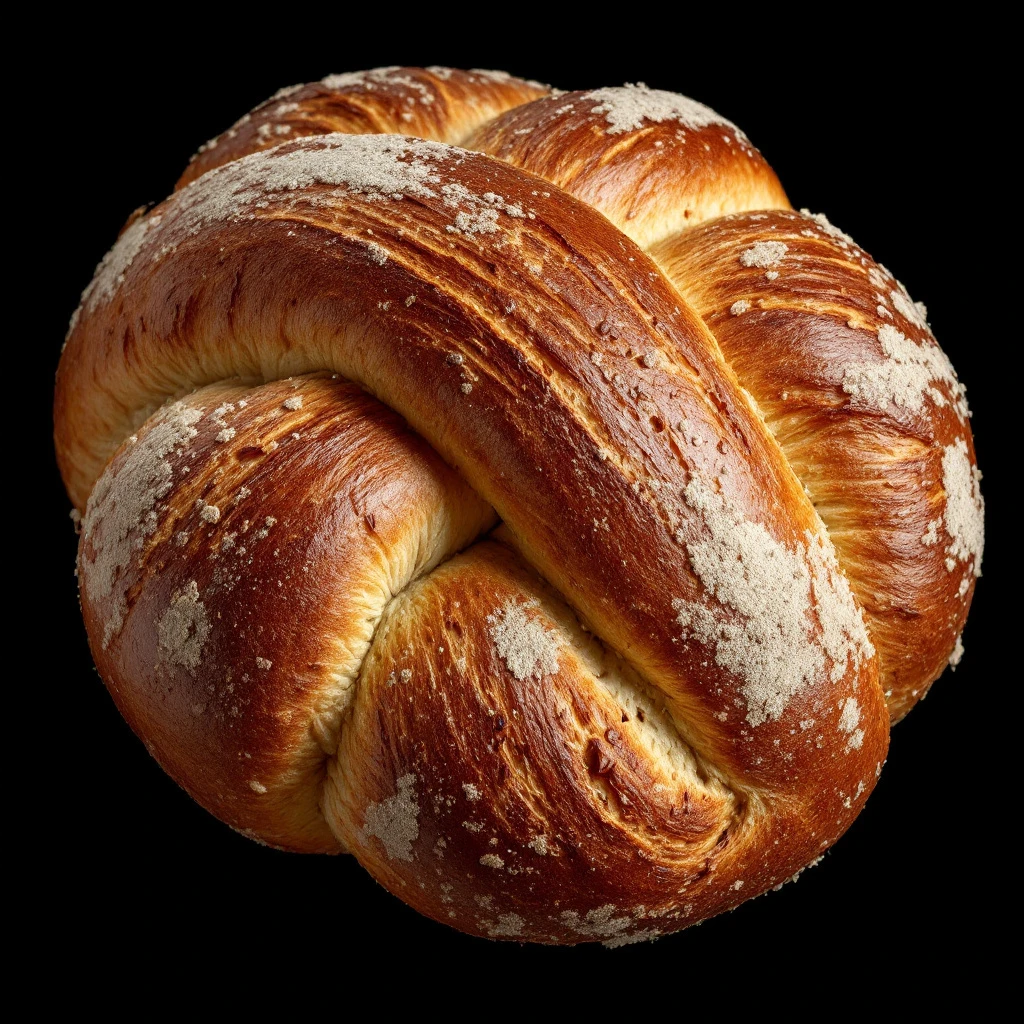
A warm, edible aroma capturing the golden crust and tender crumb of freshly braided Shabbat bread. In perfumery, this note evokes comfort, ritual, and the intimate scent of homemade bread cooling on a windowsill.
Character
How it smells
The sacred scent of braided bread, reimagined for fragrance.
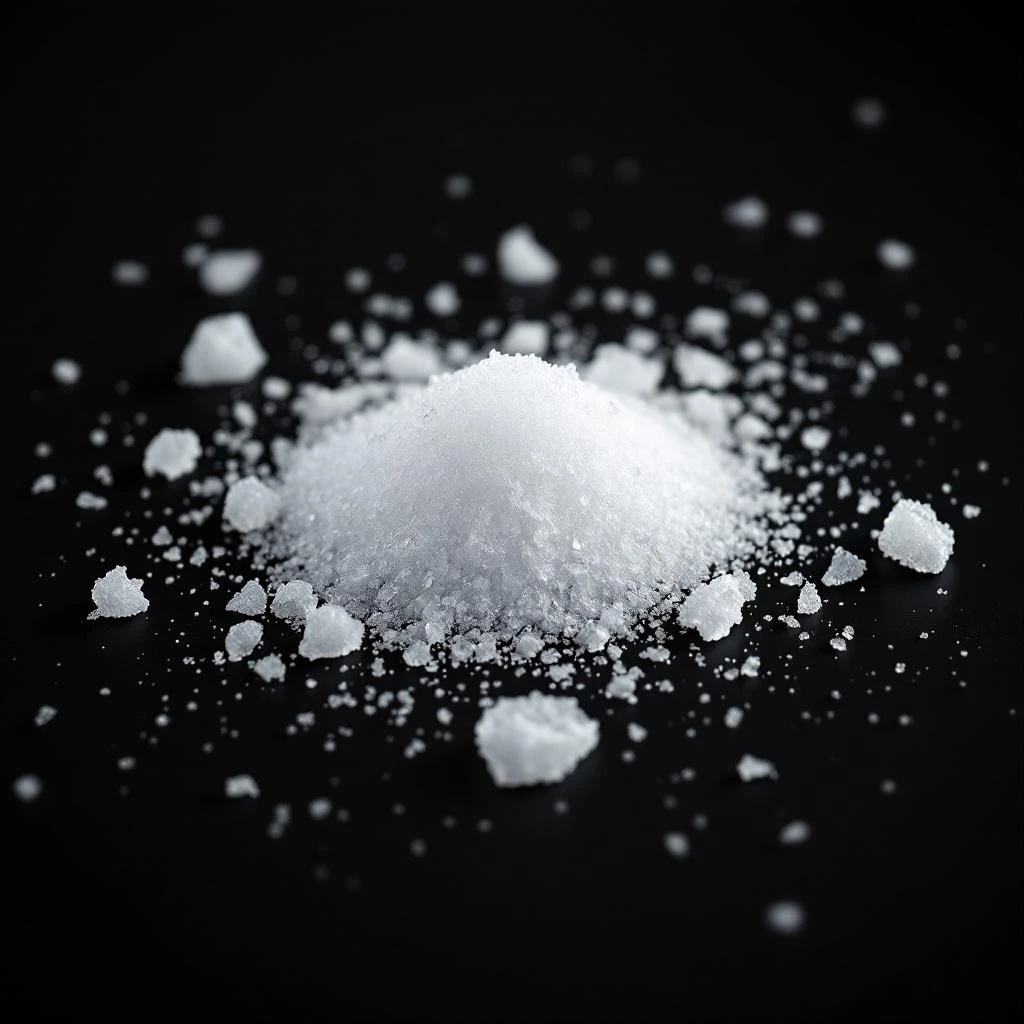
The biblical commandment to separate challah (Numbers 15:17-21) predates the bread's braided form by centuries.



Origin
Eastern Europe
Challah traces its ritual origins to Numbers 15:17-21, where the Torah commands Israelites to offer the first portion of dough to God. For centuries, this mitzvah produced a simple, non-distinctive bread. The braided form emerged later in Ashkenazi communities of Eastern Europe.
The name 'challah' itself crystallized in South Germany during the Middle Ages when Jewish communities adopted and adapted local bread traditions for Shabbat observance. The bread's characteristic richness comes from eggs and oil rather than dairy, maintaining kosher separation. By the time challah reached Vienna, it had developed its iconic braided silhouette and honey-sweetened profile.
Today, this bread remains central to Jewish Shabbat and holiday meals, with its braid patterns holding symbolic meaning across different communities.
Wears it best
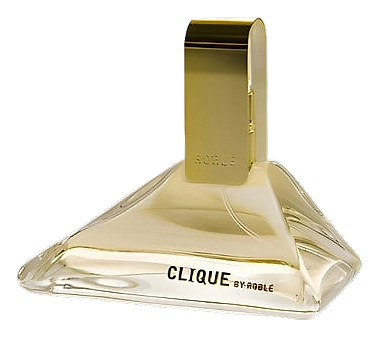
Fragrances featuring Challah Bread
Brands
Brands known for Challah Bread
Good to know
Questions, answered
The essentials on Challah Bread in perfumery: how it smells, where it comes from, and how it behaves on skin.
What does Challah Bread smell like in fragrance?
Challah Bread accord smells like warm, freshly baked braided bread with toasty, yeasty notes and a subtle honey-wheat sweetness. It creates a cozy, edible impression often paired with vanilla or amber.
Is Challah Bread a natural fragrance ingredient?
No, Challah Bread is a synthetic aromatic construction. Perfumers combine multiple aroma chemicals to replicate the complex scent profile of traditional braided bread.
What fragrances feature Challah Bread as a note?
Challah Bread appears primarily in niche and artisanal fragrances focused on comfort, food, and bakery themes. It is less common than vanilla or tonka in mainstream perfumery.
Does Challah Bread connect to the biblical mitzvah?
Yes, the name derives from the Torah commandment (Numbers 15:17-21) to separate the first portion of dough. The bread itself evolved from this ancient ritual offering.
Where did Challah bread originate geographically?
The braided form developed in Eastern European Ashkenazi Jewish communities, while the name 'challah' originated in South Germany during the Middle Ages.
Is Challah Bread used in mainstream or niche perfumery?
This note appears almost exclusively in niche and independent perfumery, particularly in collections exploring food, comfort, and culturally significant ingredients.
Is Challah Bread safe for sensitive skin?
Like all synthetic aroma materials, safety depends on the specific chemicals used in the accord. Reputable perfumers use IFRA-compliant ingredients at appropriate concentrations.