Cement
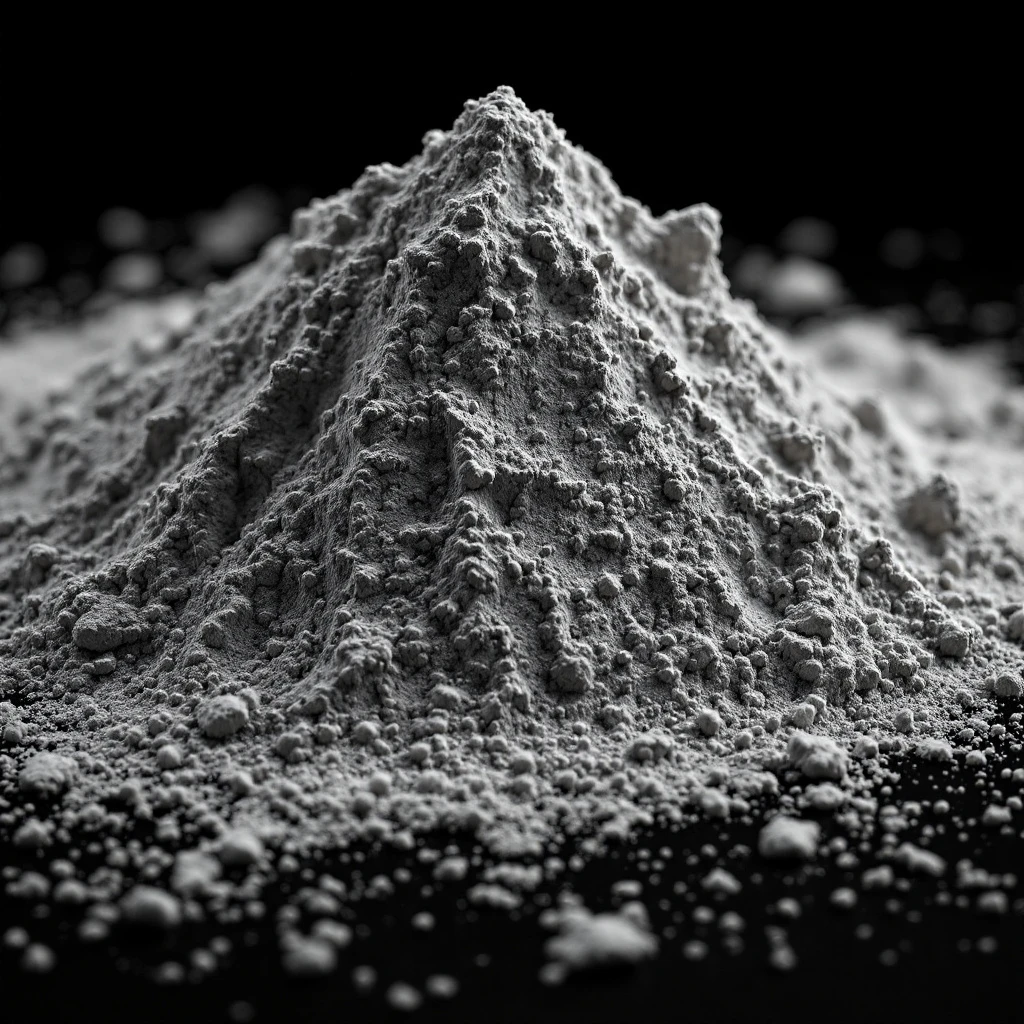
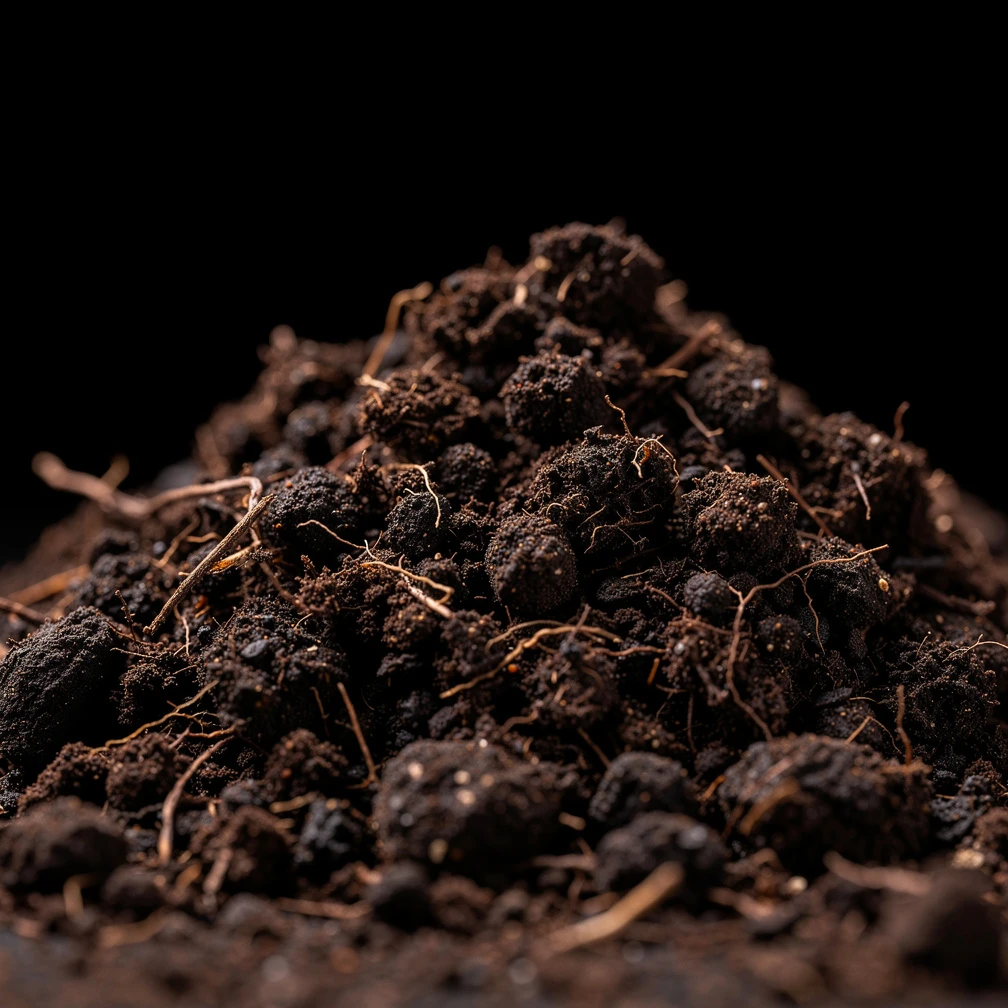
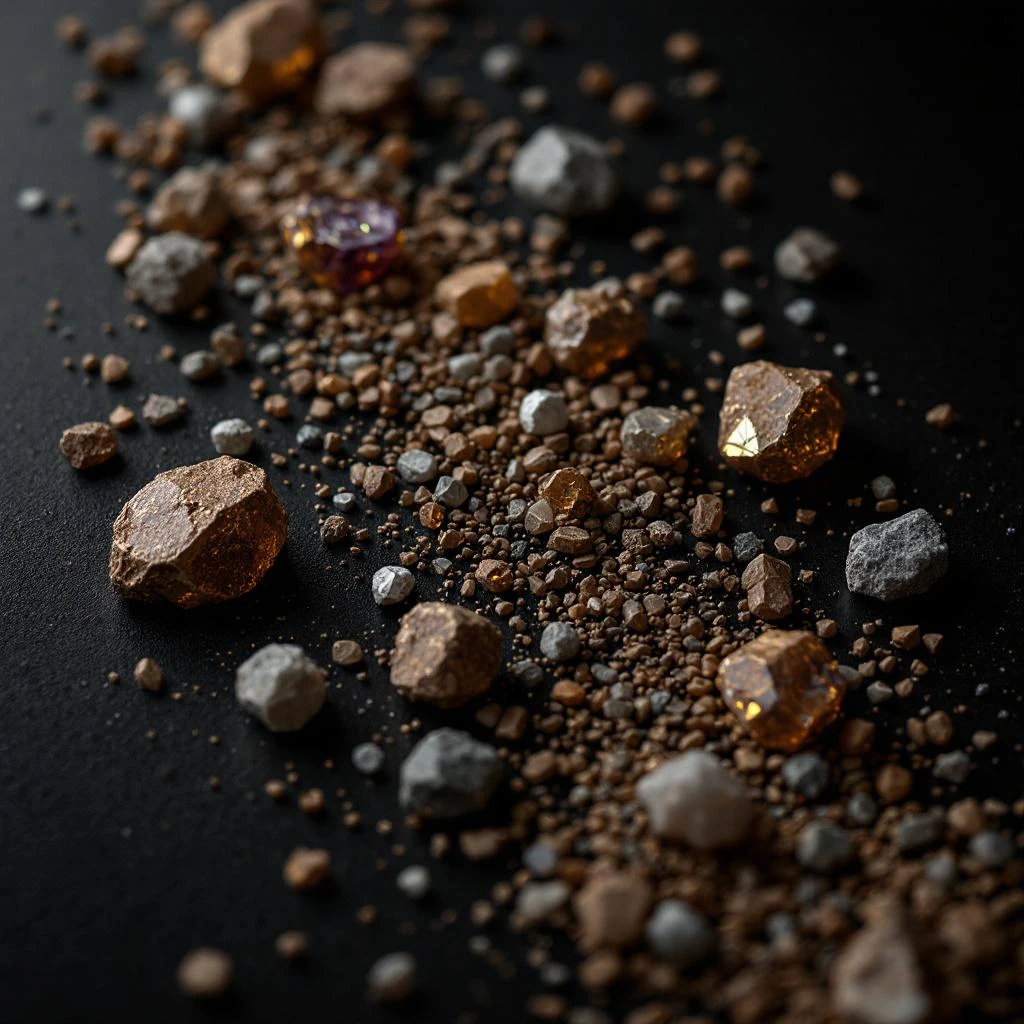
Cement is a mineral aromatic material derived from processed mineral tars, offering an intensely smoky, warm, and earthy scent profile that adds depth and a modern, industrial character to fine fragrances.
Character
How it smells
Smoky mineral depth with warm, earthy resonance
Ancient Romans used mineral tar pitch to seal ships and waterproof baths, unknowingly pioneering one of perfumery's most enduring aroma materials.




Origin
Israel
The use of mineral tars in fragrance dates back to antiquity. Roman engineers employed natural bitumen from the Dead Sea region to seal hulls and waterproof structures, while Egyptian priests burned similar substances in sacred rituals. These early applications relied on the material's durability and distinctive smoky scent.
The transition from industrial and ritual use to perfumery occurred gradually. By the 19th century, French and German chemists developed methods to refine mineral tars specifically for aromatic applications, creating what we now call Cement. Early 20th-century perfumers embraced the material for its ability to add raw, contemporary depth to leather and chypre compositions.
Today, mineral tar aromatics remain a niche but valued ingredient among perfumers seeking to create fragrances with unconventional, mineral-rich complexity.
Wears it best
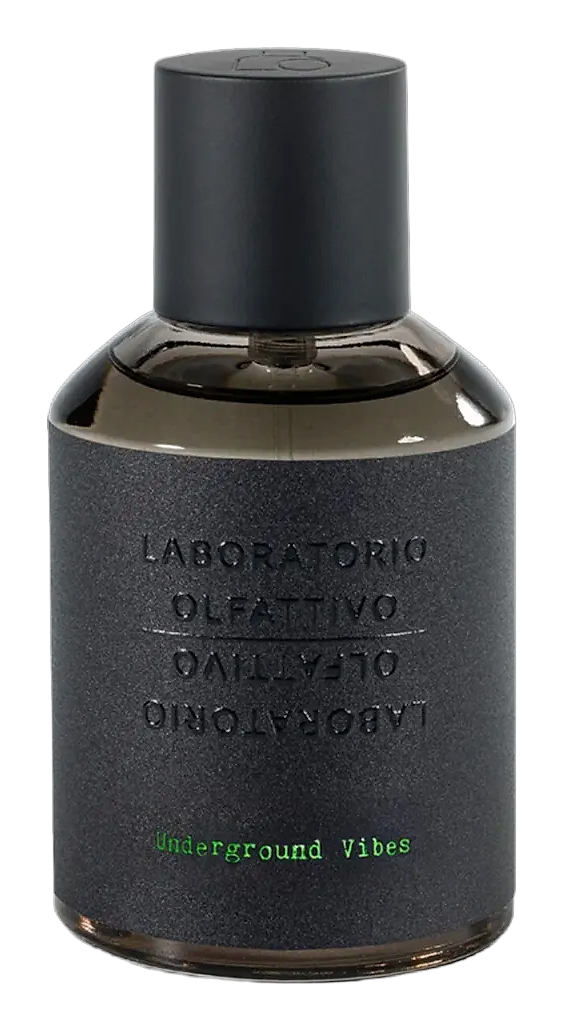
Fragrances featuring Cement


Brands
Brands known for Cement
Good to know
Questions, answered
The essentials on Cement in perfumery: how it smells, where it comes from, and how it behaves on skin.
What is Cement in perfumery?
Cement is a mineral aromatic material obtained from processed mineral tars and bitumen deposits. It provides smoky, warm, and earthy notes that add distinctive depth to fragrance compositions.
What does Cement smell like?
Cement delivers a mineral, smoky aroma with warm, tar-like character and subtle earthy undertones. It often carries a faint medicinal quality reminiscent of coal tar.
Is Cement a natural or synthetic ingredient?
Cement is considered a natural mineral aromatic. It derives from naturally occurring bitumen deposits, though the extraction and purification processes involve modern refinement techniques.
What fragrances use Cement notes?
Cement appears primarily in masculine and gender-neutral fragrances, particularly those featuring leather, smoky wood, or industrial chypre accords.
Why do perfumers use mineral-based ingredients?
Mineral aromatics like Cement offer scents impossible to replicate with botanicals alone. Their smoky, industrial character adds contemporary depth and unconventional resonance.
When did mineral tars first enter perfumery?
By the 19th century, chemists developed refined extraction methods for mineral tars, transitioning them from industrial and ritual use into formal perfumery.
Does Cement have any traditional uses outside perfumery?
Ancient Mediterranean cultures used mineral bitumen extensively in construction and shipbuilding. Egyptians employed similar materials in religious ceremonies and mummification.