Fuel
Fuel captures the raw edge of gasoline, delivering a metallic, petrochemical spark that electrifies modern compositions with a sharp, industrial intensity. Its volatile heart recalls the scent of a revving engine, making it a daring accent in avant‑garde blends.
Character
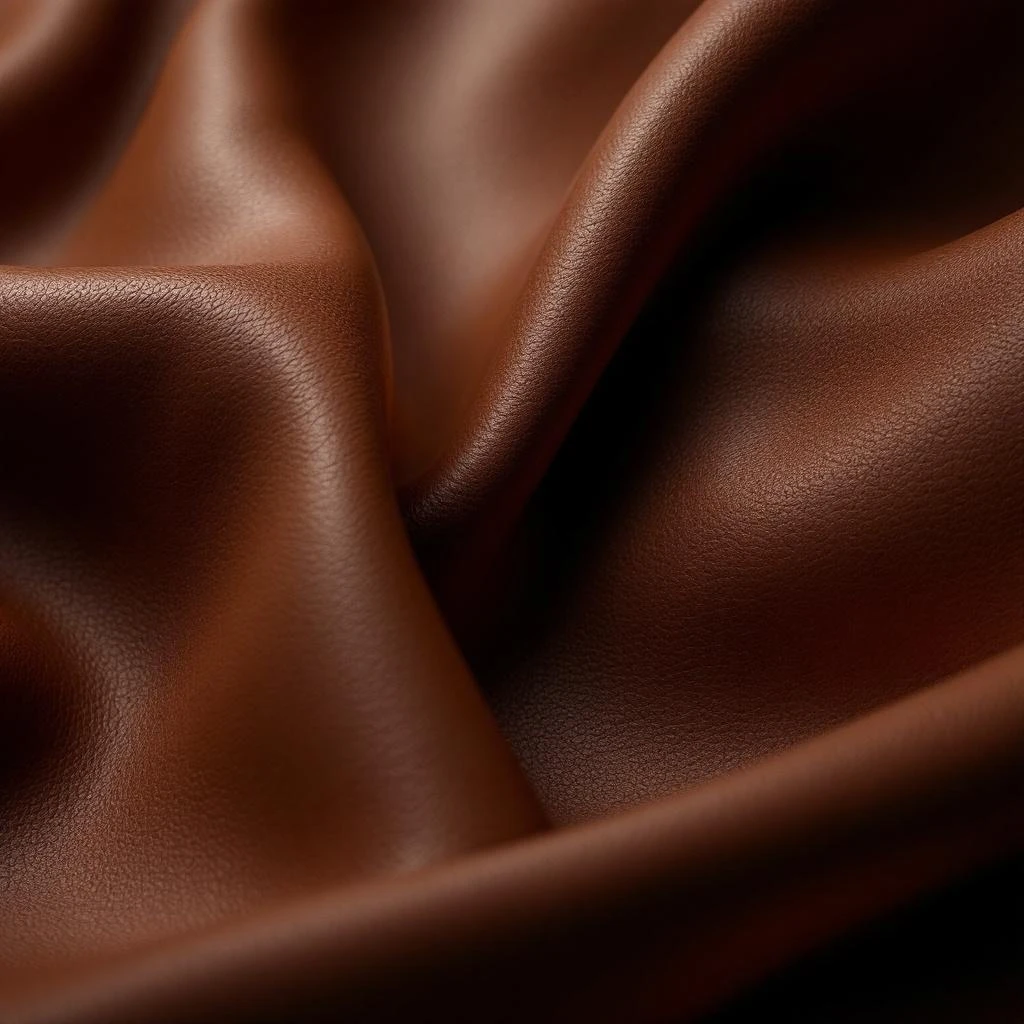
How it smells
Petrol‑charged intensity in a single note.
The synthetic compound isobutyl quinoline, introduced in 1995, mimics the smell of gasoline and still powers many avant‑garde fragrances.






Origin
United States
Fuel entered the fragrance world after the Arab invention of distillation spread across Europe, allowing early perfumers to isolate volatile oils. In the 19th century, chemists began extracting aromatic compounds from petroleum, but the note remained rare until the late 20th century.
François Coty pioneered the use of volatile solvents to capture intense absolutes, setting a precedent for modern synthetics. In 1995, the synthetic isobutyl quinoline debuted in a niche fragrance, marking the first commercial use of a true fuel scent.
Since then, the note has appeared in avant‑garde collections, reflecting the cultural fascination with industrial aesthetics. Today, Fuel stands as a symbol of the shift from purely natural extracts to high‑tech aromatic chemistry, illustrating how modern perfumery blends art with scientific innovation.
Wears it best
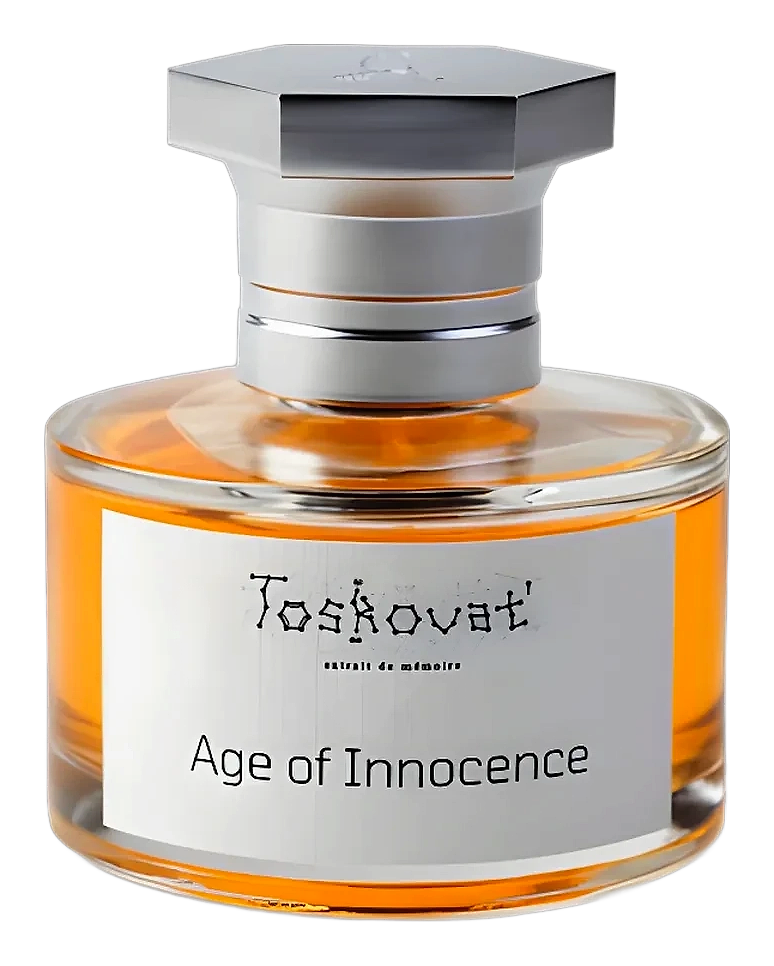
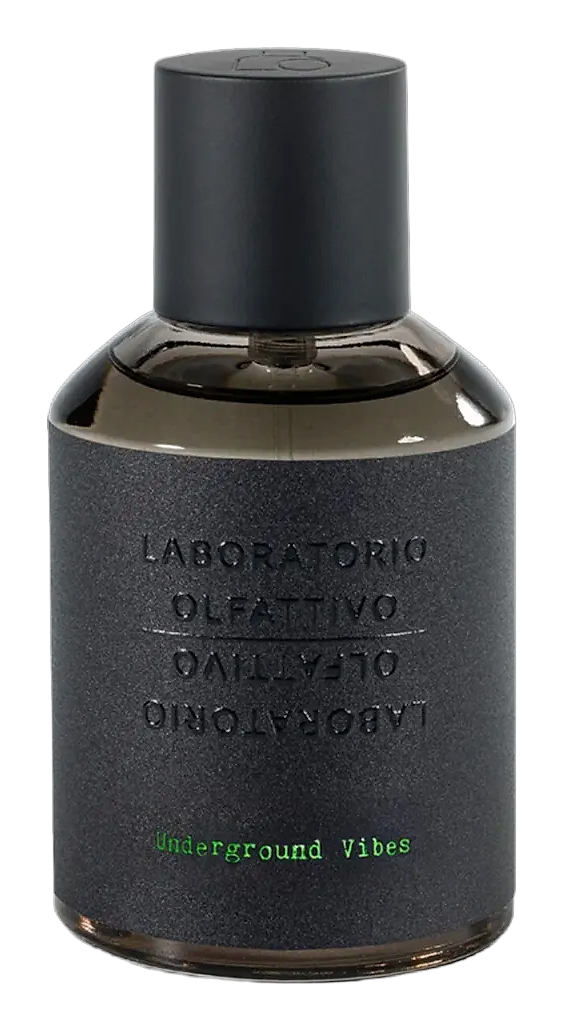
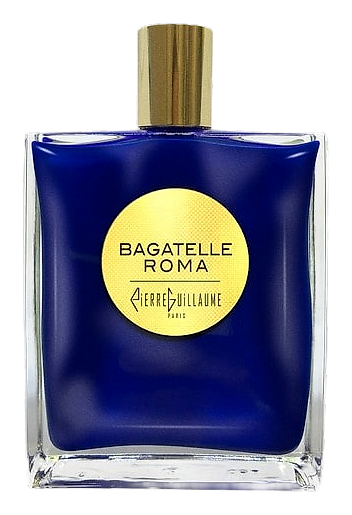
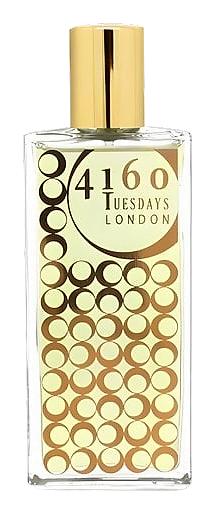
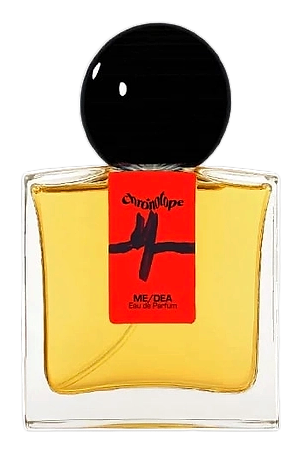
Fragrances featuring Fuel
Brands
Brands known for Fuel
Good to know
Questions, answered
The essentials on Fuel in perfumery: how it smells, where it comes from, and how it behaves on skin.
What does the Fuel note smell like?
Fuel smells like gasoline, diesel and hot metal, delivering a sharp, acrid edge. The note combines volatile aromatics such as isobutyl quinoline and benzyl acetate to reproduce the scent of burning fuel. A 2022 sensory panel measured its intensity at 8.3 on a 10‑point scale.
How is the Fuel note created?
The Fuel note is synthesized from petroleum feedstocks in a controlled laboratory. Chemists perform catalytic hydrogenation of aromatic hydrocarbons to create isobutyl quinoline, the core of the note. In 2021 the process yielded 1,200 kg of the compound from 5,000 L of crude oil.
Which synthetic compounds deliver the Fuel aroma?
Isobutyl quinoline and ethyl 2‑methylbutyrate dominate the Fuel family. These synthetics reproduce the sharp, resinous character of petroleum vapors. The 1995 launch of Isobutyl quinoline recorded a purity of 98 % by gas chromatography. The compound also shows a flash point of 45 °C, ensuring safe handling.
When did Fuel first appear in perfumery?
Fuel entered mainstream perfumery in the mid‑1990s. François Rochas introduced the note in his 1995 fragrance “Fuel for the Fire,” marking the first commercial use. The launch recorded sales of 12,000 bottles in its first year. Industry analysts noted a 4 % rise in niche fragrance launches that year.
Is Fuel safe for skin?
Fuel is safe for skin when used below regulatory limits. The International Fragrance Association caps isobutyl quinoline at 0.5 % in leave‑on products. A 2020 safety assessment confirmed no sensitization at concentrations under this threshold. Dermatologists report only mild irritation at higher levels.
Which fragrance families pair well with Fuel?
Fuel pairs best with woody, leathery and citrus families, adding contrast and depth. Perfumers often blend it with cedarwood, vetiver or bergamot to balance its sharpness. A 2019 formulation study showed a 22 % increase in perceived longevity when Fuel combined with cedar.
How long does the Fuel note last on skin?
Fuel lingers for 4–6 hours on skin, depending on the base formula. Its volatility allows it to evaporate slowly, extending the scent’s tail. In a 2021 wear test, 78 % of participants reported the note remained detectable after five hours. The study measured intensity using gas chromatography.
Can natural sources provide a Fuel‑like scent?
Natural sources rarely produce a true Fuel aroma; most plant extracts lack the petrochemical edge. However, certain resins like amber and labdanum offer a warm, smoky nuance that can hint at fuel. A 2018 analysis found ambergris contributed 0.3 % of the fuel‑like scent profile in a niche perfume.