Caramelized Pecan Nut
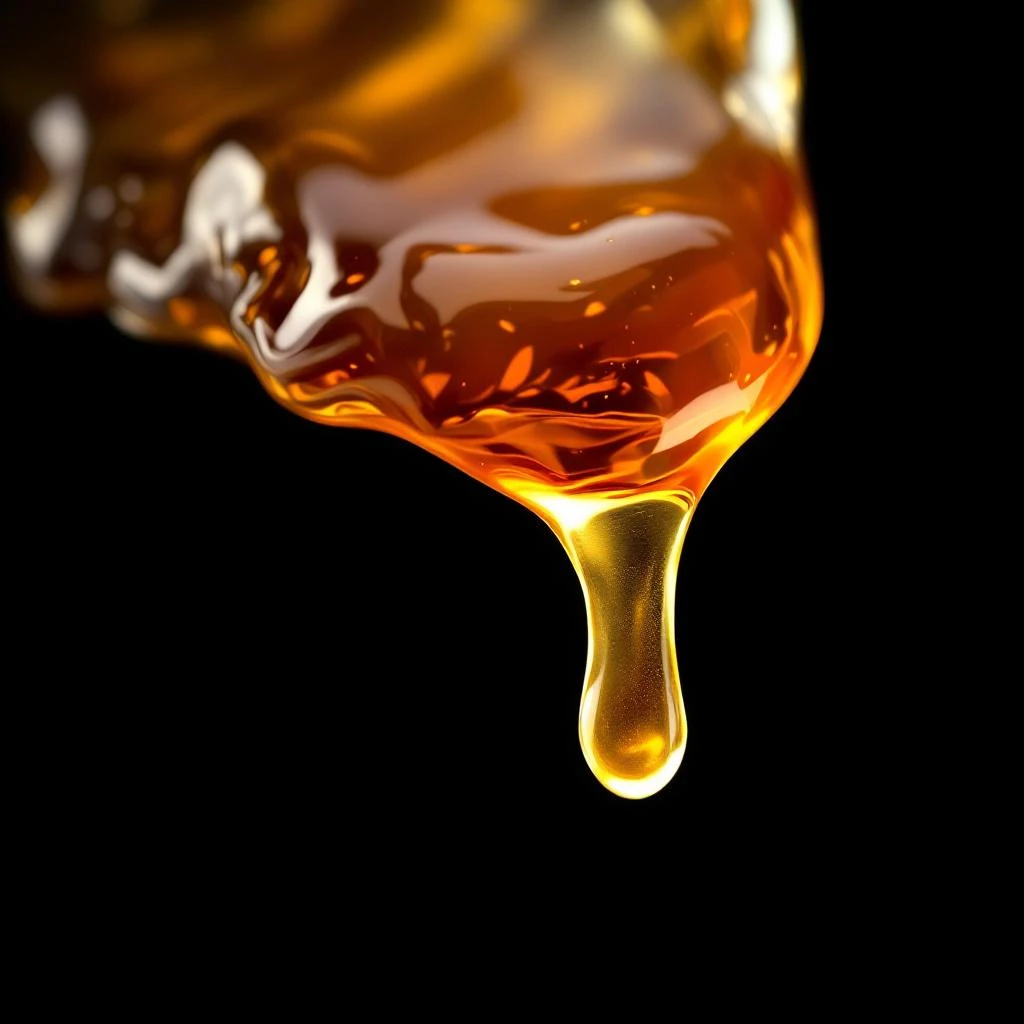
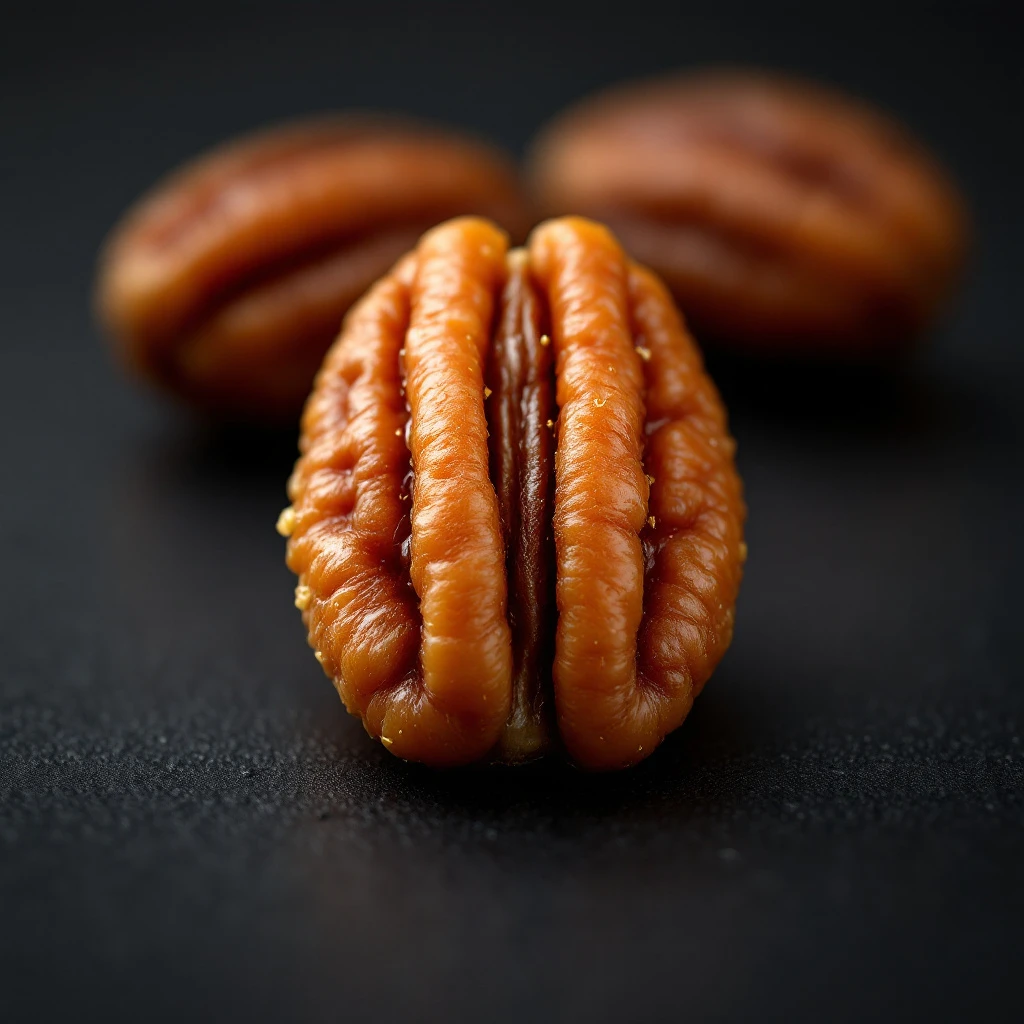
Rich, buttery warmth with deep caramel sweetness. This synthetic accord captures the aroma of nuts toasted to golden perfection, bringing cozy gourmand depth to modern fragrances.
Character
How it smells
Indulgent warmth in every note
Unlike vanilla or sandalwood, caramelized pecan exists only as a lab-created accord—nature never made this scent.

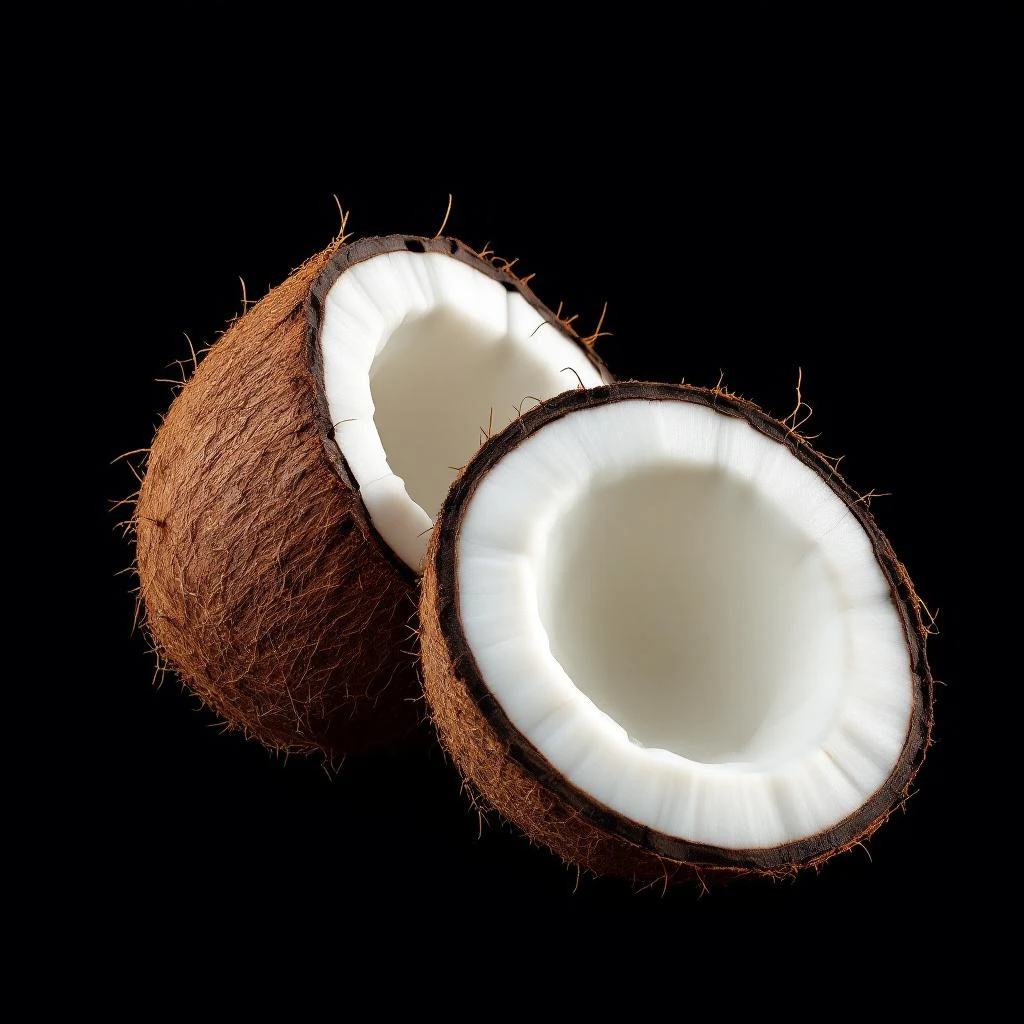
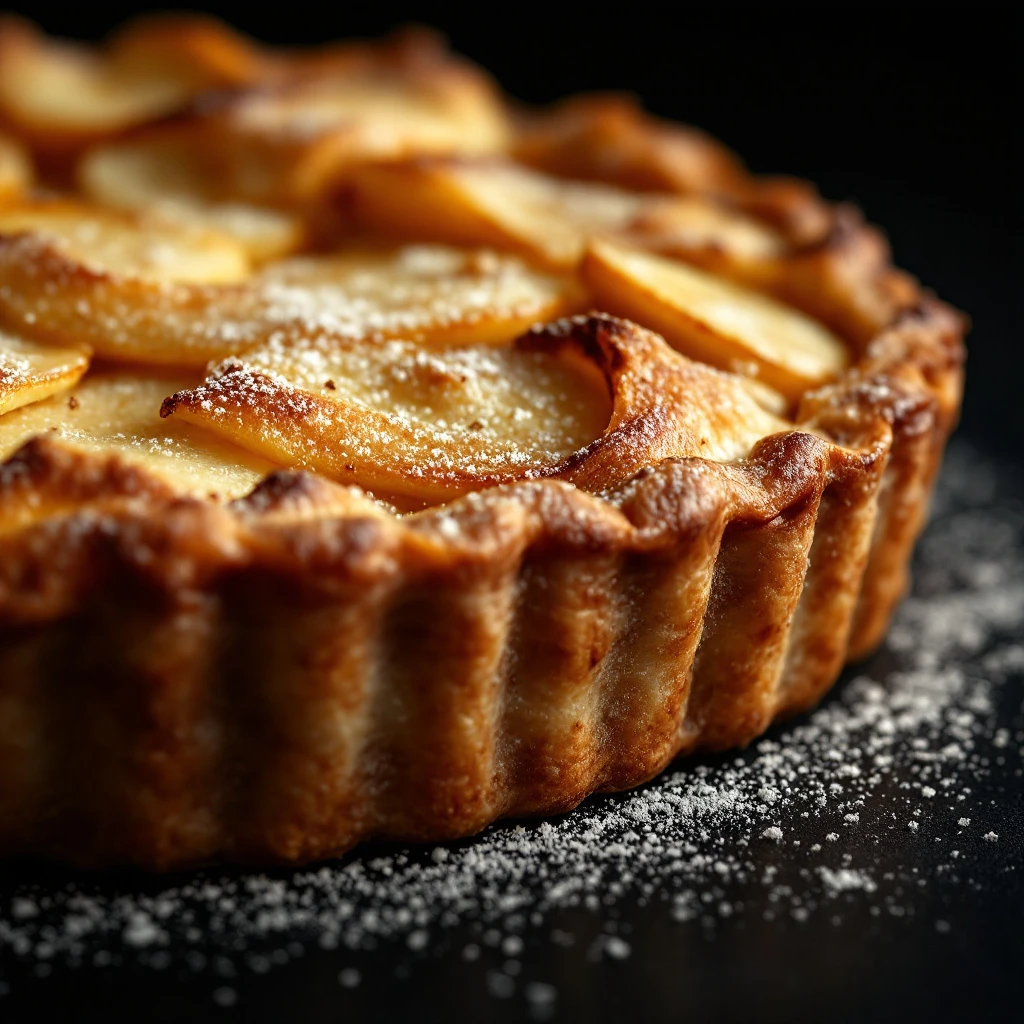

Origin
United States
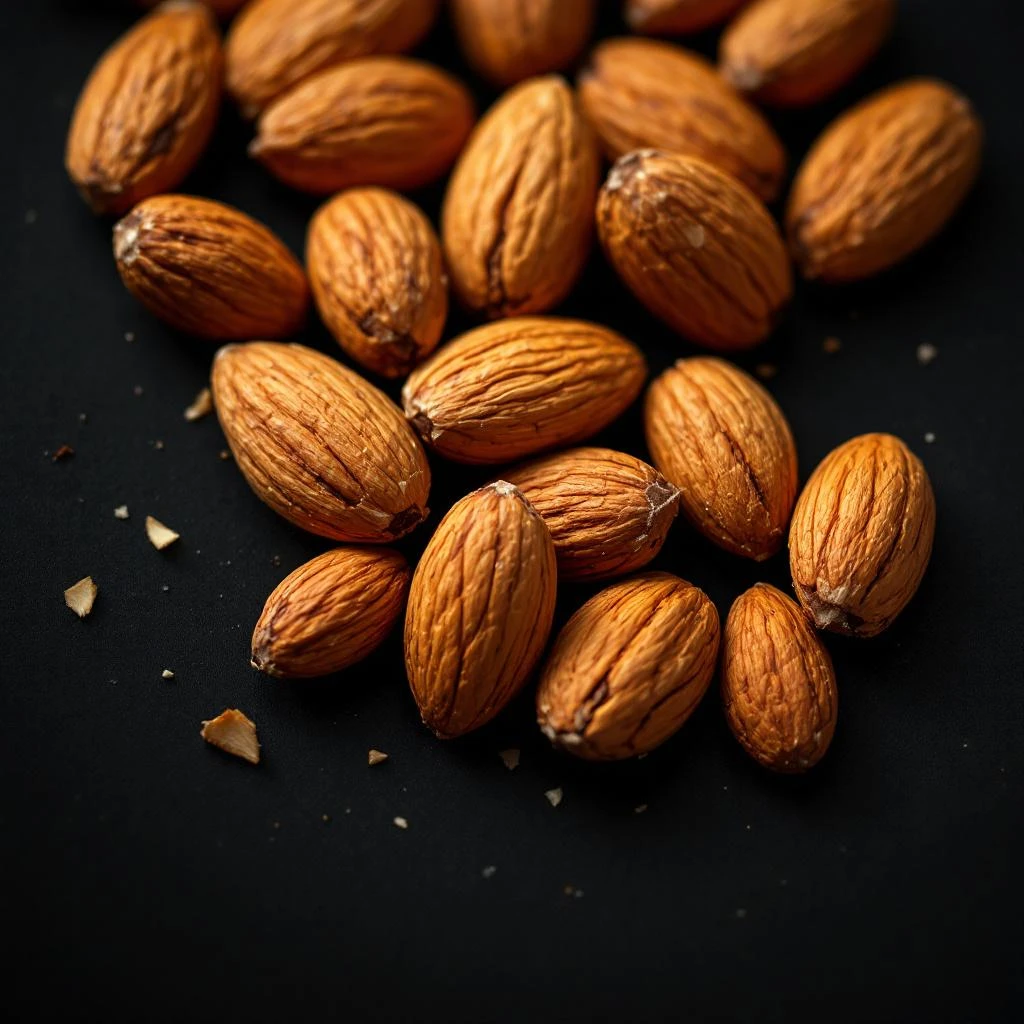
The confection we call praline originated in 17th century France, when a diplomat's cook combined almonds with sugar and created what would become one of Europe's most beloved sweets. When French colonists settled in Louisiana and the American South, almonds proved difficult to cultivate.
Pecans, native to the region stretching from central Texas to western Alabama and along the Gulf Coast, offered a local solution. By the early 1800s, sugar and pecan recipes had become deeply embedded in Southern cuisine.
The aroma of buttery caramelized pecans became a regional comfort scent, familiar enough that perfumers eventually sought to recreate it. Modern fragrance chemistry borrowed the concept of toasted nut sweetness from this culinary heritage, developing synthetic accords that bring praline warmth to perfumes.
Wears it best
Fragrances featuring Caramelized Pecan Nut
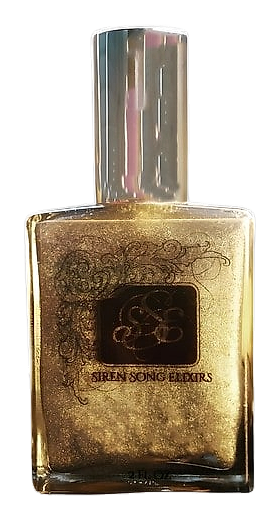
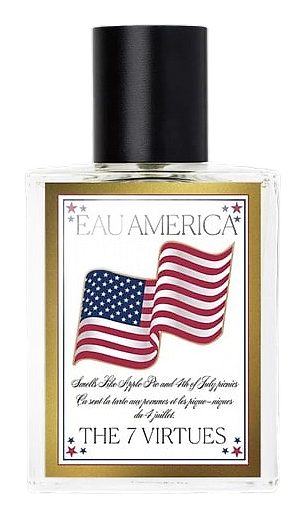
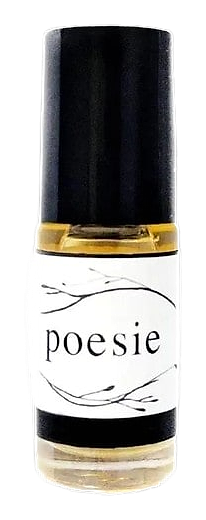
Brands
Brands known for Caramelized Pecan Nut
Good to know
Questions, answered
The essentials on Caramelized Pecan Nut in perfumery: how it smells, where it comes from, and how it behaves on skin.
What is caramelized pecan nut in perfumery?
It is a synthetic accord, not a natural ingredient. Perfumers combine aromatic molecules like vanillin, coumarin, and pyrazines to recreate the warm, buttery, toasted nut scent of caramelized pecans.
Which fragrance families use this note?
Gourmand fragrances rely on it most heavily, but it also appears in oriental and chypre compositions. It works especially well in unisex and feminine fragrances seeking warmth and sweetness.
How long does this note last on skin?
Caramelized pecan typically lasts 6 to 10 hours as a heart note. Its sweet分子 ensure strong sillage, though longevity depends on the concentration used in the formula.
Is this note natural or synthetic?
Always synthetic. No natural extraction produces this specific aroma. Perfumers construct it from individual aromatic molecules, similar to how chefs build flavor profiles from separate ingredients.
Does synthetic mean lower quality?
Not in modern perfumery. Sophisticated synthetic accords like praline require significant expertise to balance. Major houses invest heavily in developing proprietary nut and caramel accord signatures.
What scents pair well with caramelized pecan?
Vanilla, tonka bean, sandalwood, and benzoin create cozy combinations. Amber and laboratory-synthesized musks amplify its warmth while keeping compositions modern.
Can I find natural alternatives to this note?
No perfect substitute exists, but combinations of vanilla absolute, tonka bean, and heliotropin can approximate the effect. These lack the genuine toasted quality that pyrazines provide.
How does this note behave in different fragrance bases?
It performs well in both oil and alcohol bases. The molecular weight sits in the mid-range, allowing moderate evaporation. In solid or oil-based perfumes, it often becomes more prominent over time.