Caramelized Brown Sugar
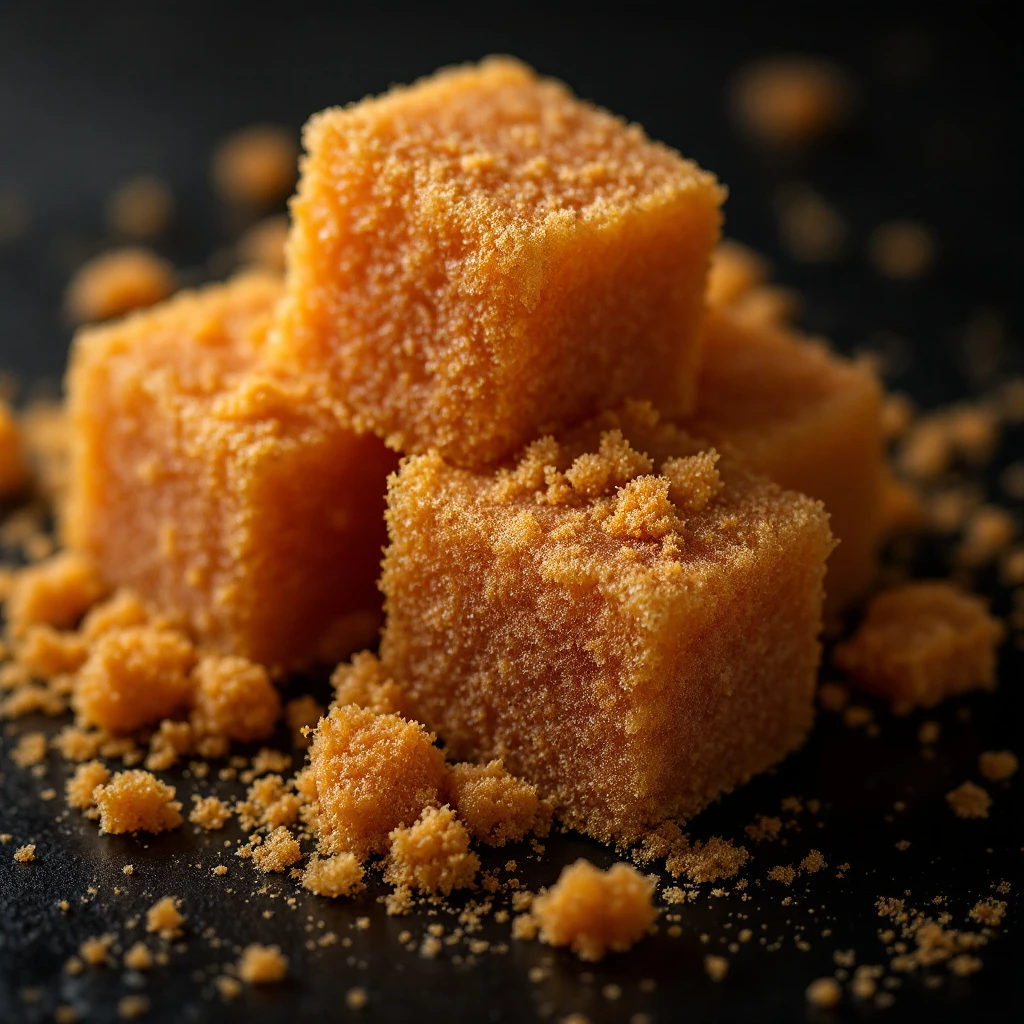
Caramelized brown sugar brings a warm, edible sweetness to fragrance compositions. This note dissolves the boundary between perfume and pastry, evoking the deep, buttery richness of sugar transformed by heat. It grounds lighter accords and adds unexpected depth to both masculine and feminine creations.
Character
How it smells
Warm edible sweetness born from heat-transformed sugar.
Natural caramelized sugar cannot be extracted for perfumery. Every caramel note in fragrance is synthesized in a laboratory, crafted to capture that distinctive burnt-sugar warmth.



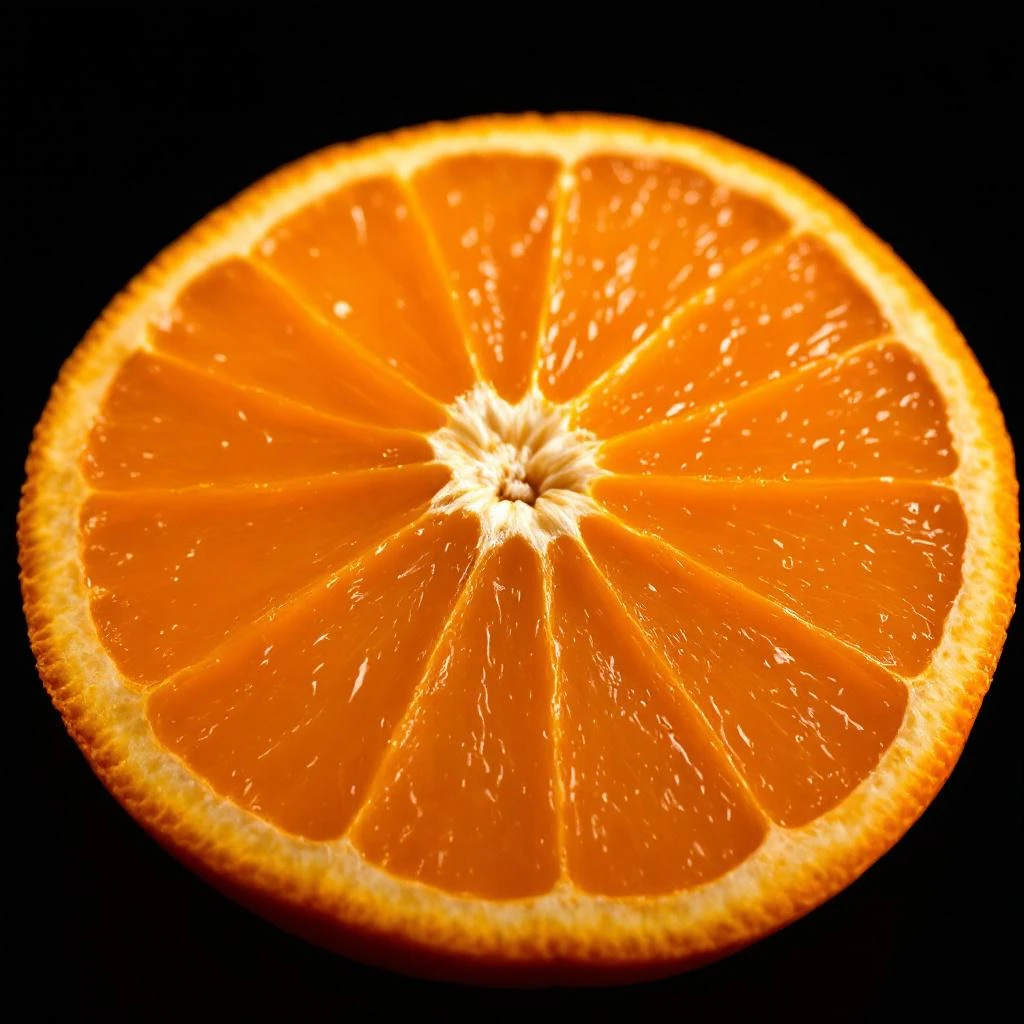
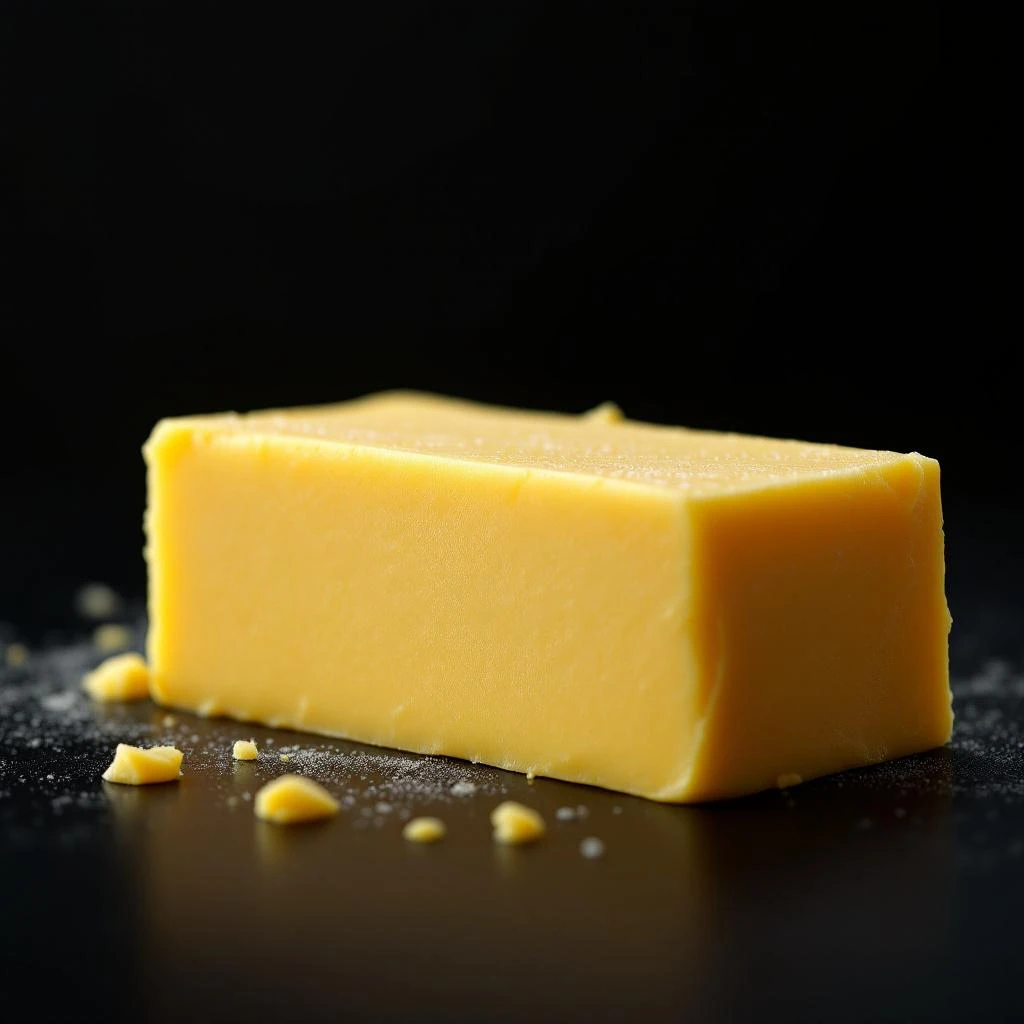

Origin
Laboratory-developed (global)
While ancient civilizations used sugar in perfumery and religious ceremonies, the caramelization process itself did not enter fragrance until modern chemistry enabled perfumers to isolate and recreate complex food odors. During the 19th century, advances in organic synthesis allowed chemists to identify the compounds responsible for cooked sugar aromas. These discoveries enabled thecreation of edible-themed fragrances that became popular in the late 20th century, with caramel becoming a staple note in warm, gourmand compositions.
Wears it best
Fragrances featuring Caramelized Brown Sugar
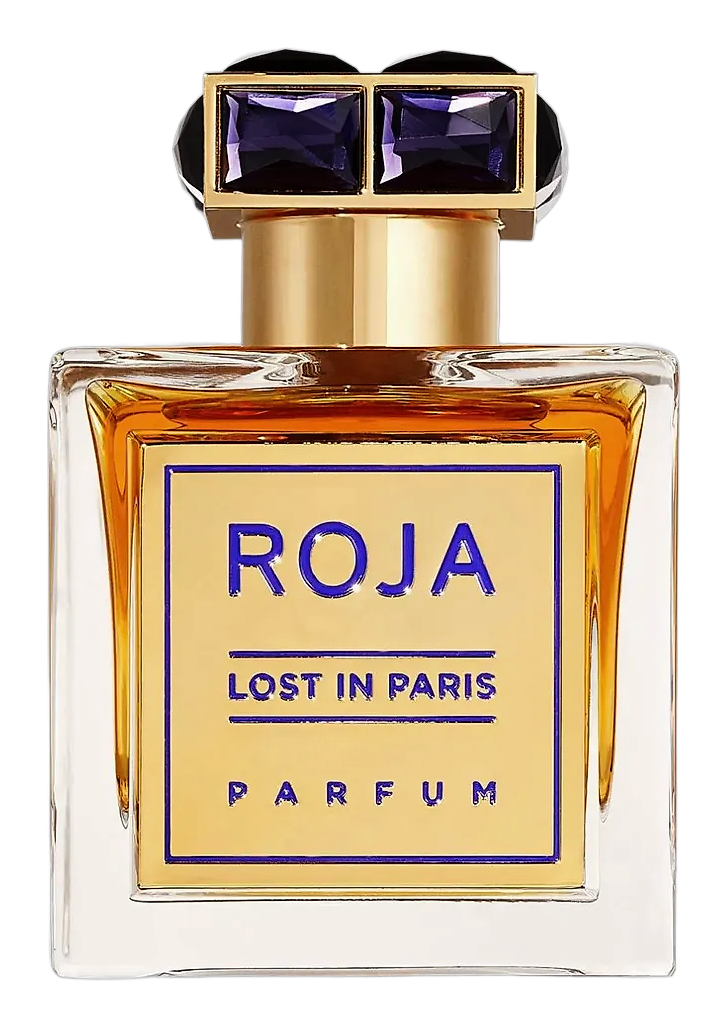
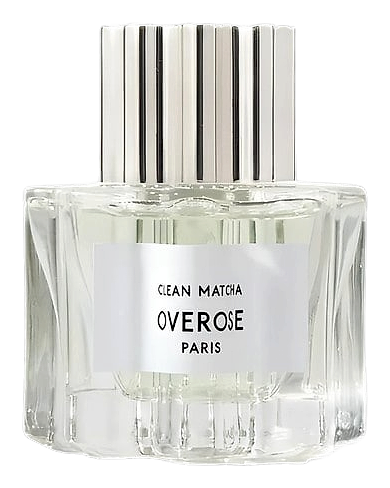
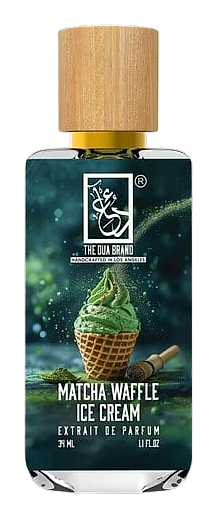
Brands
Brands known for Caramelized Brown Sugar
Good to know
Questions, answered
The essentials on Caramelized Brown Sugar in perfumery: how it smells, where it comes from, and how it behaves on skin.
Is caramel a natural or synthetic fragrance ingredient?
Caramel is exclusively synthetic in perfumery. No natural extraction method yields a stable caramel fragrance material. Perfumers synthesize caramel notes using aroma chemicals like maltol and Furaneol to replicate the scent of burnt sugar.
What aroma chemicals create the caramel smell?
The primary aroma chemicals for caramel include maltol (warm, baked bread character), Furaneol (strawberry-caramel), and sotolon (maple, curry notes). Combining these molecules in varying ratios produces different caramel expressions.
What fragrances typically feature caramel notes?
Caramel appears most often in gourmand fragrances, oriental perfumes, and warm vanilla compositions. It balances bright top notes, adds depth to heart accords, and creates an edible quality in dry-down phases.
How does caramel differ from vanilla in fragrance?
Caramel carries a distinct burnt-sugar quality with bitter edges, while vanilla presents a creamier, warmer sweetness. Caramel often contains buttery and toffee facets that vanilla lacks, making them complementary rather than interchangeable.
Does caramel smell sweet in perfumes?
Caramel registers as a warm, confectionery sweetness butincludes slightly bitter, smoky undertones from the caramelization process. These contrasting elements create complexity rather than simple sugar-sweetness.
What olfactory family uses caramel notes?
Caramel belongs to the Gourmand olfactory family in fragrance classification. Perfumes featuring caramel often also contain notes like tonka bean, benzoin, and praline for enhanced warmth and sweetness.
How long do caramel notes last in fragrance wear?
Caramel compounds typically perform as base to dry-down notes, remaining detectable for 4 to 8 hours depending on concentration and accompanying ingredients that affect fragrance longevity.
Which essential oils naturally contain caramel-like qualities?
No essential oil naturally contains true caramel character. However, benzoin and Peru balsam offer warm, sweet-resinous qualities that designers sometimes pair with synthetic caramel notes for added complexity.