Caramelized Bergamot
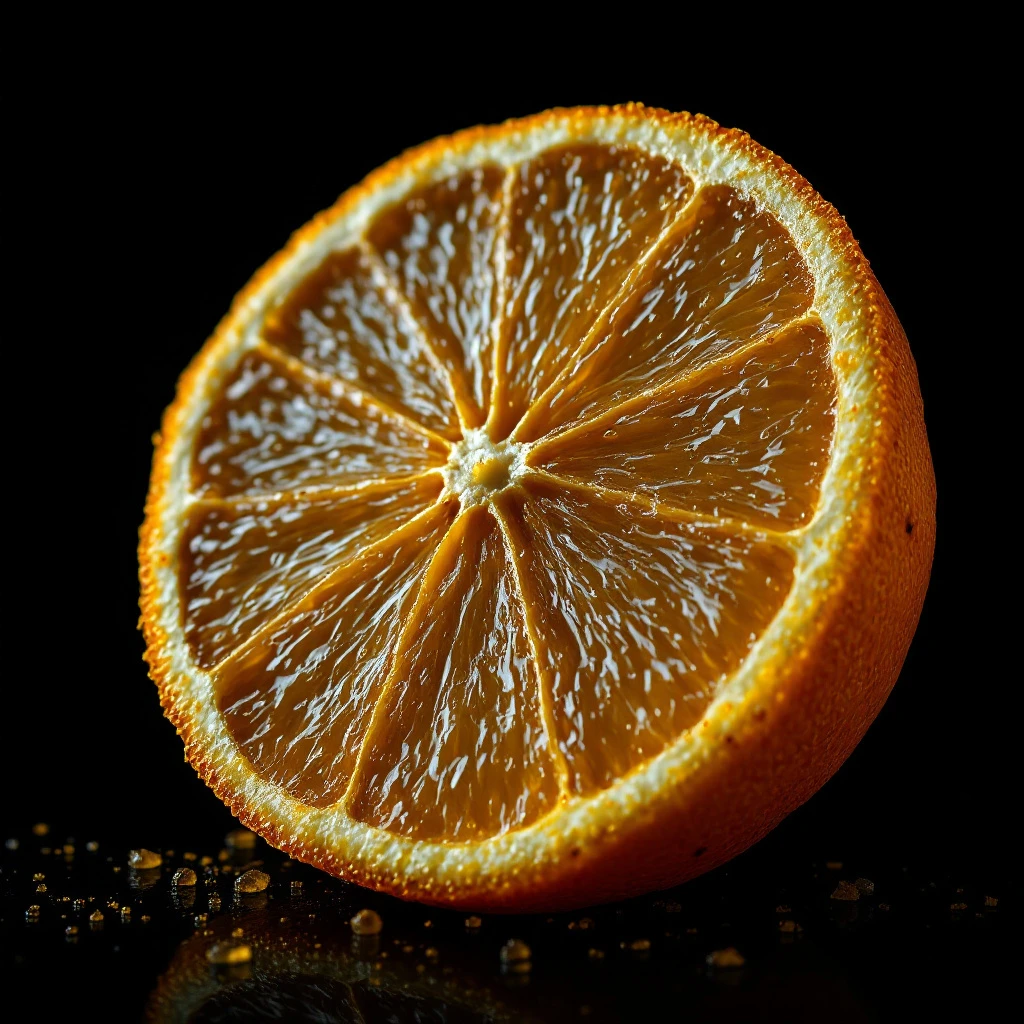
A warm twist on bergamot where the bright citrus gets wrapped in molten sugar and gentle heat. Caramelized bergamot softens the sharp edges of the classic note, adding depth that moves it from top note to lasting impression.
Character
How it smells
Citrus warmth, reborn through heat.
The caramelization technique emerged from the perfume industry's quest to make bergamot perform better in base notes, where pure bergamot often fades too quickly.
Pairs beautifully with

Origin
Italy
Bergamot's journey to perfumery began in 1714, documented in the Farina Archive in Cologne, making it one of the first citrus oils formally adopted by European perfumers. Before that, bergamot grew wild in the Mediterranean, likely appearing as an accidental hybrid in the 14th century.
Italian traders initially prized bergamot for its aromatic rind, which they peeled by hand for essential oil. The Calabrian coastal region, particularly around Reggio Calabria, became the center of cultivation by the 17th century.
Caramelization as a technique arrived much later, as modern perfumers sought ways to extend bergamot's fleeting presence in compositions. The treatment honors the ingredient's heritage while solving a practical perfumery challenge.
Wears it best
Fragrances featuring Caramelized Bergamot
Brands
Brands known for Caramelized Bergamot
Good to know
Questions, answered
The essentials on Caramelized Bergamot in perfumery: how it smells, where it comes from, and how it behaves on skin.
What does caramelized bergamot smell like?
Caramelized bergamot smells like fresh citrus with warm caramel undertones. The sharp, slightly bitter edge of bergamot softens into something rounder, with notes of burnt sugar and cooked fruit. Think of it as the difference between biting a lemon and tasting lemon curd.
Is caramelized bergamot natural or synthetic?
Caramelized bergamot starts with natural cold-pressed bergamot oil. The caramelization process uses heat to transform the natural oil, making it a modified natural ingredient rather than a synthetic or artificially created scent.
Why do perfumers caramelize bergamot instead of using it fresh?
Pure bergamot is volatile and tends to evaporate within the first hour of wear. Caramelization slows this process, allowing the bergamot character to persist into the heart of a fragrance where citrus typically disappears.
Where does the bergamot used in caramelization come from?
Calabria, Italy remains the primary source, producing over 90 percent of the world's bergamot supply. The coastal region's specific soil composition and climate create bergamot with particularly high linalool content, ideal for heat transformation.
Does caramelization change bergamot's allergy profile?
Heat transformation can reduce certain allergens present in raw bergamot, particularly some furanocoumarins. This makes caramelized versions potentially gentler for sensitive skin while maintaining the aromatic character.
What fragrance families pair well with caramelized bergamot?
Caramelized bergamot works across florals, orientals, and chypres. It pairs particularly well with vanilla, labdanum, and white musks, adding warmth to fresh openings without the sugar-heavy feel of true Gourmand ingredients.
How was bergamot first used in perfumery?
The first recorded use of bergamot oil as a fragrance ingredient dates to 1714, found in the Farina Archive in Cologne. This early adoption established bergamot as a staple in colognes and citrus-based compositions that followed.
Can I smell caramelized bergamot in any famous fragrances?
Caramelized bergamot appears in several contemporary orientals and modern colognes. Check fragrance composition lists for 'heat-treated bergamot' or 'caramelized bergamot extract' as indicators of this technique.