Candied Blossoms
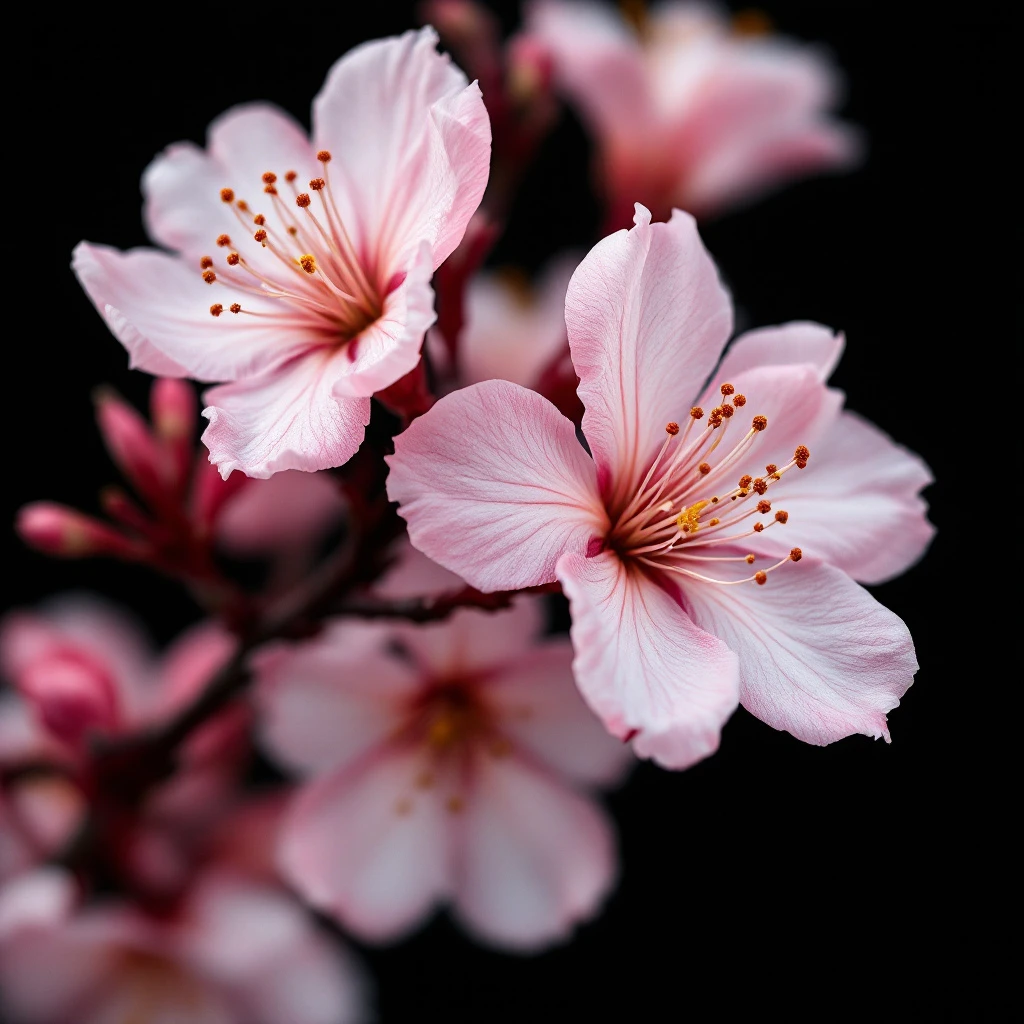
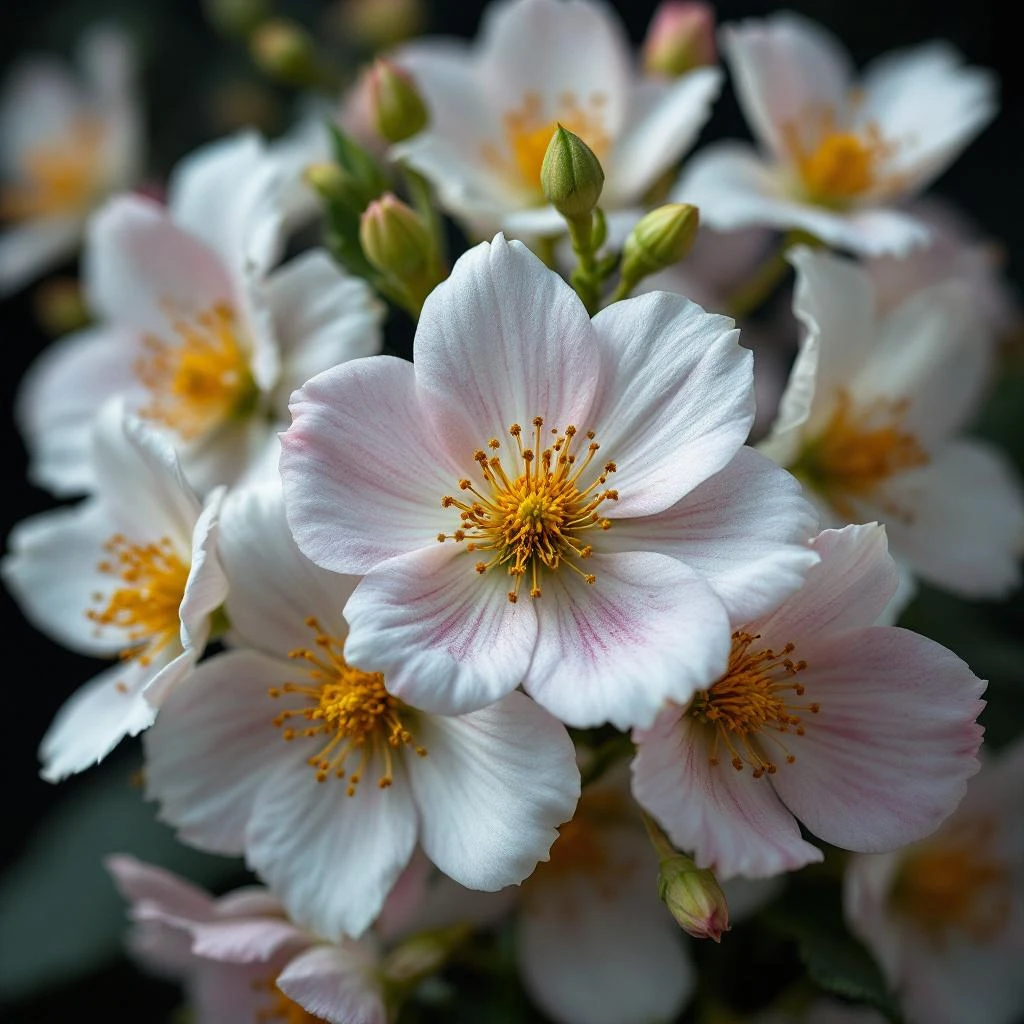
Candied blossoms capture the moment sugar syrup halts a flower's brief life, preserving its delicate scent in edible, aromatic form. In perfumery, this effect recreates sweetness and floral depth.
Character
How it smells
Sugar-coaptured florals, frozen in time
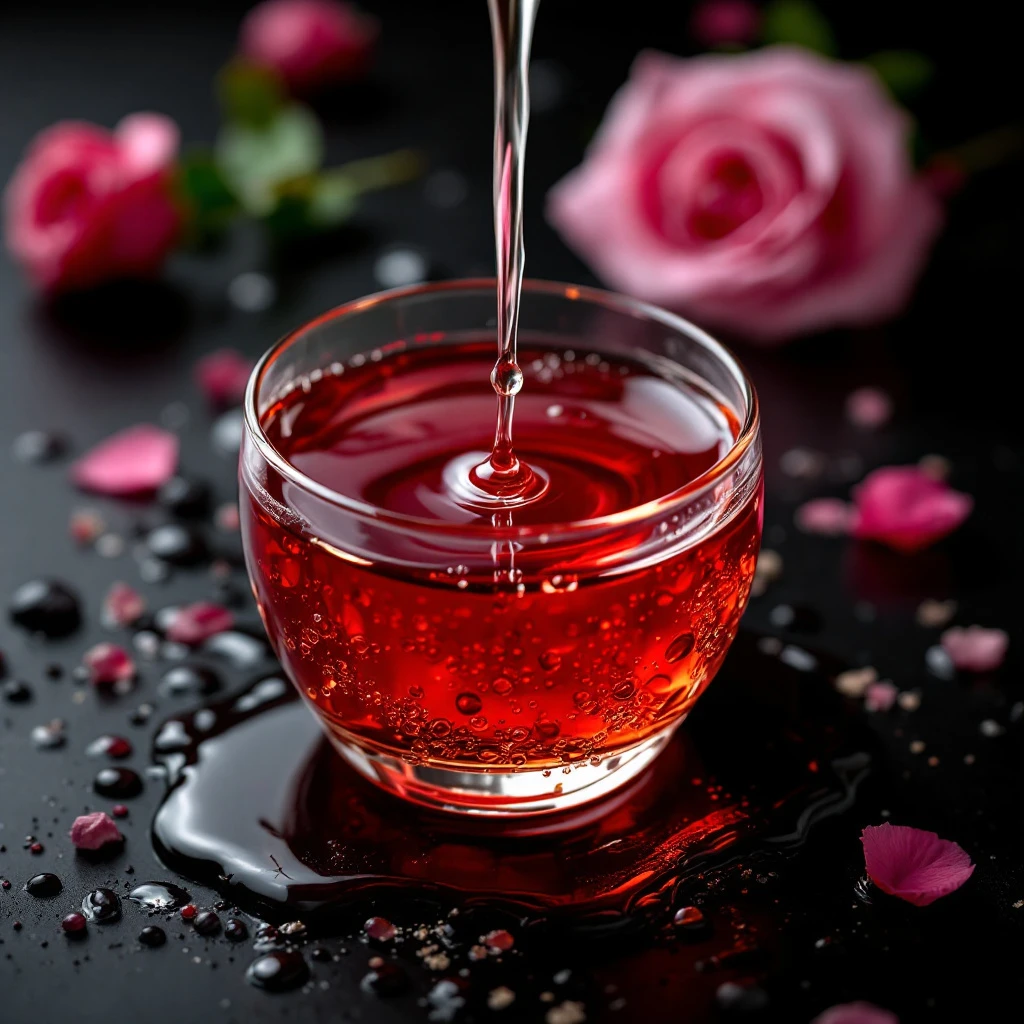
Candying flowers dates back to the Middle Ages, when Persian and Arab confectioners preserved rose petals in honey to retain both flavor and fragrance.
Pairs beautifully with
Origin
Iran
The practice of candying flowers emerged in the medieval Islamic world, where 9th-century Persian texts document rose petals preserved in honey for medicinal and culinary use. Arab traders carried the technique westward through the Mediterranean, where European monasteries adopted it during the 13th century.
By the Renaissance, candied violets, roses, and orange blossoms appeared on aristocratic banquet tables across France and Italy, valued as much for their lingering perfume as for their sweetness. The confection crossed into cosmetic and fragrance use during the 17th century, when French perfumers began experimenting with sugar-infused floral waters.
Modern perfumery references this historical association through accord reconstruction rather than literal use, since actual candied petals yield minimal volatile oil. The note carries cultural weight, evoking courtly luxury and the medieval kitchen garden, where fragrance and food shared the same botanical sources.
Wears it best
Fragrances featuring Candied Blossoms

Brands
Brands known for Candied Blossoms
Good to know
Questions, answered
The essentials on Candied Blossoms in perfumery: how it smells, where it comes from, and how it behaves on skin.
What does candied blossoms smell like in perfume?
Candied blossoms produce a sweet, syrupy floral scent combining the character of rose or violet with warm sugar notes. The result smells confection-like rather than fresh, sitting at the intersection of gourmand and floral fragrance families.
Are candied blossoms a natural perfume ingredient?
Rarely. Actual candied petals yield minimal volatile oil, so most perfumers reconstruct the effect using floral absolutes blended with sweet molecules like ethyl maltol. The note is conceptually natural but technically synthetic in modern formulations.
Which flowers are commonly candied for fragrance?
Rose, violet, and orange blossom are the most frequently candied varieties, with documented use dating to medieval Persia. These flowers retain their aromatic compounds well through sugar preservation, making them preferred candidates for the technique.
When did candying flowers originate?
The technique dates to 9th-century Persia, where cooks preserved rose petals in honey. Arab traders spread the method through the Mediterranean by the 13th century, and candied flowers became staples of European confectionery and perfumery by the Renaissance.
What perfume families feature candied blossom notes?
Gourmand and oriental fragrances feature candied blossom notes most prominently. The sweet-floral character also appears in modern fruity florals and powdery compositions where confection-like softness is desired over crisp freshness.
How are candied blossoms used in modern perfumery?
Modern perfumers use accord reconstruction, blending natural floral absolutes with synthetic sweet molecules. This approach delivers the recognizable candied-flower impression with greater consistency and stability than extracting aroma from actual preserved petals.
Is candied blossom the same as honeyed floral?
Candied blossom and honeyed floral share sweetness but differ in source. Candied blossom specifically references sugar-preserved petals and carries a confectionery character, while honeyed floral notes suggest bee-derived sweetness with warmer, animalic undertones.
Why are candied blossoms popular in gourmand perfumes?
Candied blossoms bridge floral and edible scent categories, which makes them valuable in gourmand compositions. They add botanical sophistication to sweet accords without the sharp greenness of fresh-cut flowers, creating rounded, dessert-like depth.