Candied bitter orange peel
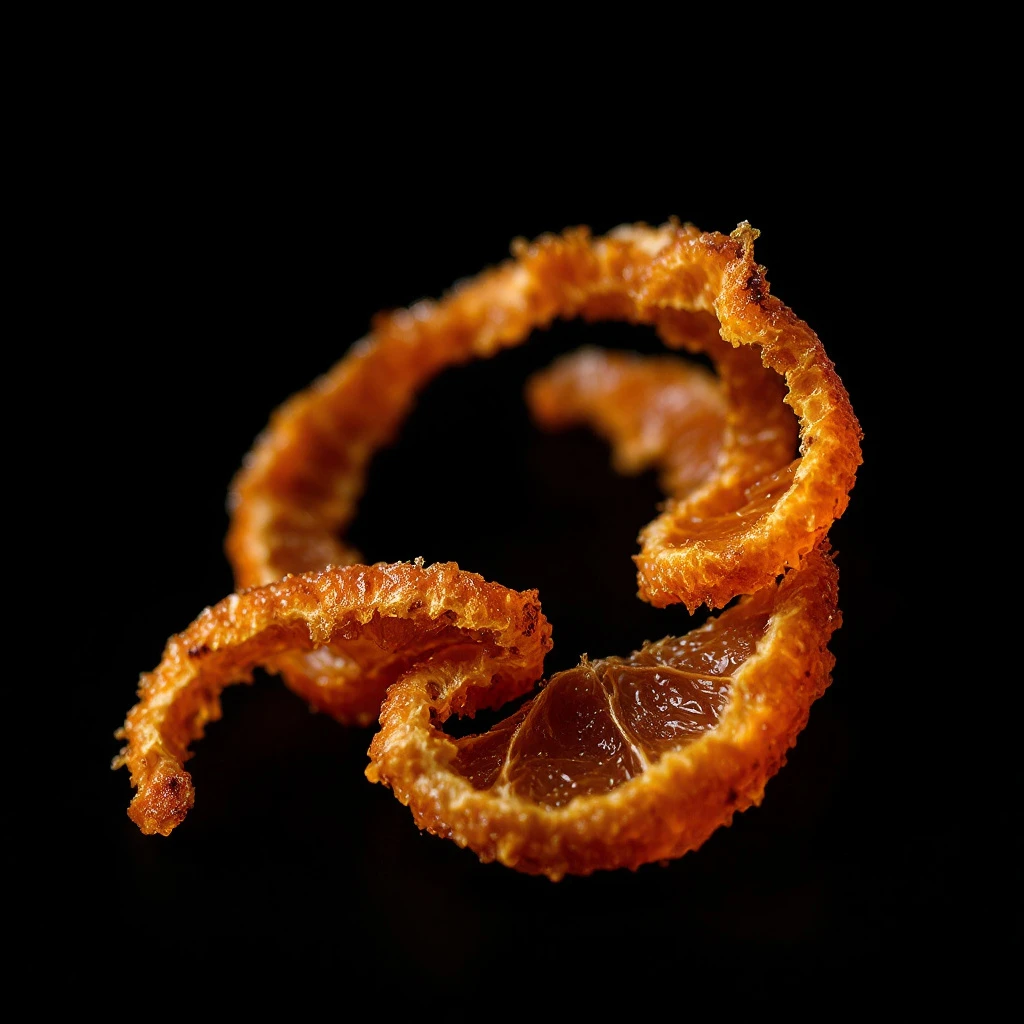
Candied bitter orange peel delivers a concentrated citrus experience. The candying process transforms raw peel's sharp bitterness into deep caramel sweetness, layered with lingering citrus warmth and floral undertones from Seville's prized Citrus aurantium.
Character
How it smells
Sweet citrus depth with a bitter edge.
The famous British marmalade tradition began in 1567 when a ship bound for Scotland accidentally carried crates of bitter oranges, inspiring the first preserves.

Origin
Spain
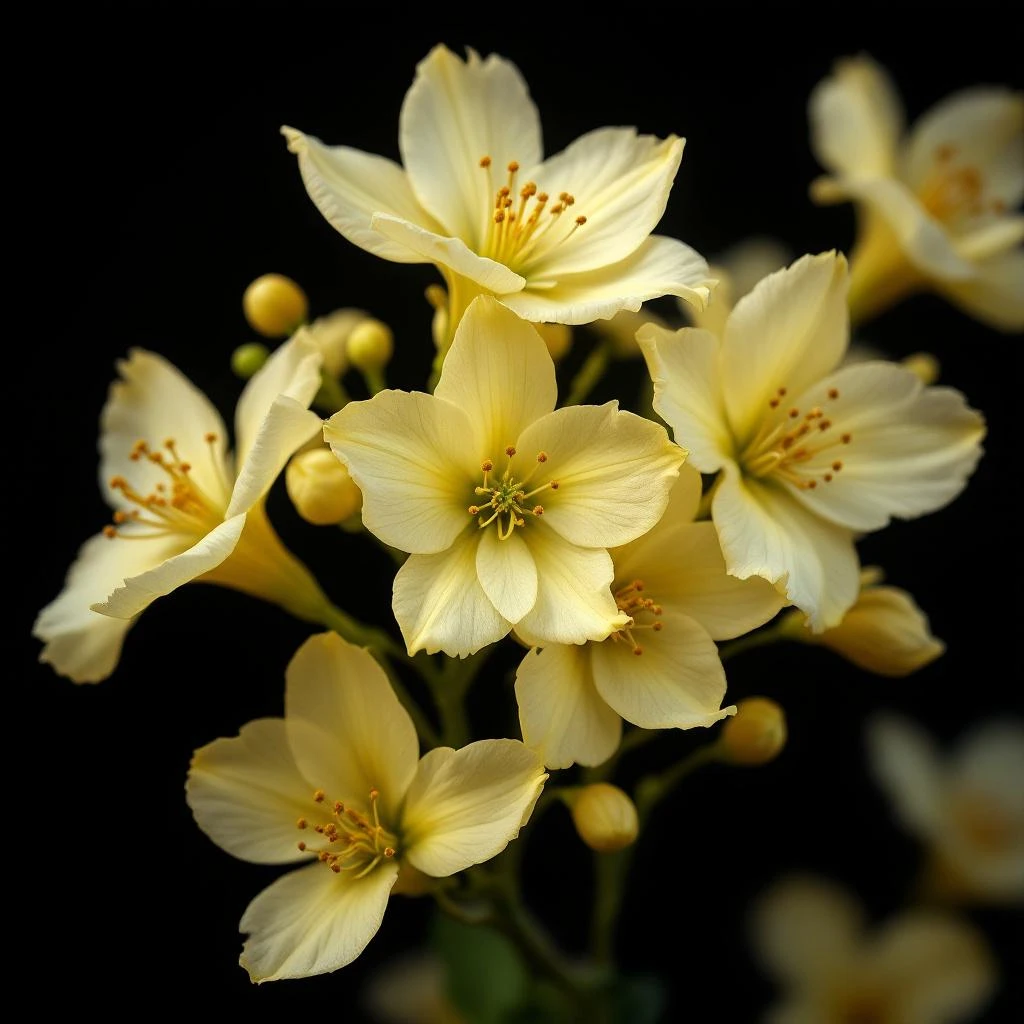
Bitter orange reached the Mediterranean centuries before its sweet cousin, establishing itself as the primary citrus of choice for perfumers and physicians. Arab craftsmen in the 12th century pioneered extraction techniques that produced neroli oil and bitter orange water, materials that defined early European perfumery. The city of Seville became synonymous with the fruit, cultivating groves that supplied both the candied peel confectionery trade and the perfumery workshops of Grasse.
Courtiers wore bitter orange as pomanders and incorporated the oil into scented gloves, a fashionable practice during the Renaissance that spread across Europe. The candied peel emerged as a practical solution to preserve intensely bitter fresh rind, a technique that eventually crossed into British culinary tradition as marmalade. Distillers also pressed the peel for its essential oil, creating a material that would anchor classic compositions for centuries.
Today bitter orange remains foundational to citrus perfumery, its complex sweet-bitter character impossible to fully replicate synthetically.
Wears it best
Fragrances featuring Candied bitter orange peel

Brands
Brands known for Candied bitter orange peel
Good to know
Questions, answered
The essentials on Candied bitter orange peel in perfumery: how it smells, where it comes from, and how it behaves on skin.
What makes candied bitter orange peel different from regular candied orange peel?
Candied bitter orange peel carries sharper, more complex bitterness with floral undertones that sweet orange peel lacks. Bitter orange (Citrus aurantium) contains higher concentrations of neohesperidin, a flavonoid that creates its characteristic bite and depth. Sweet orange peel yields a gentler, more straightforward sweetness when candied.
How does candying change the scent of orange peel?
Candying transforms harsh, metallic bitterness into rich caramel sweetness while preserving a citrus backbone. The sugar masks sharp acidity and adds warmth to the aroma. Fresh peel smells bright and aggressive; candied peel smells deep, sweet, and lingering with subtle citrus residue.
Which fragrance families use candied bitter orange peel most often?
Chypre and oriental fragrances use candied bitter orange peel for depth and warmth. Fresh citrus and fougere compositions use it to amplify fruit-forward qualities. This note appears in both masculine and feminine fragrances, particularly in autumn and winter collections.
Can candied bitter orange peel be replaced with synthetic alternatives?
Synthetic alternatives can mimic individual aspects like limonene or aldehydes, but they rarely capture the full complexity of natural candied bitter orange peel. The ingredient's layered profile, including caramel undertones from the candying process, remains difficult to fully replicate artificially.
What ingredients pair well with candied bitter orange peel in fragrance?
Amber and vanilla complement the candied peel's sweet depth. Woody notes like cedar and sandalwood add structure. Bitter botanicals such as vetiver or coffee ground the citrus, while resins including labdanum and olibanum enhance oriental compositions.
How does candied bitter orange peel differ from neroli or orange blossom?
Candied bitter orange peel offers a sweet, caramel-like intensity that neroli and orange blossom do not possess. Neroli provides delicate floral and green notes; orange blossom gives honeyed sweetness. The candied form delivers deeper, warmer citrus with distinctively rich character.
Does candied bitter orange peel work in all fragrance formats?
Candied bitter orange peel functions across perfume formats, though longevity varies. In alcohol-based perfumes, it serves as a top note lasting 15 to 30 minutes. Oil-based fragrances and solid formats may retain the note longer due to slower evaporation rates.
What is the historical significance of bitter orange in perfumery?
Bitter orange oil extraction began in 12th-century Arab perfumery, producing neroli and orange water. Seville, Spain, became the primary cultivation center during the Renaissance, supplying both candied peel and essential oil for pomanders, pomades, and scented gloves across European courts.