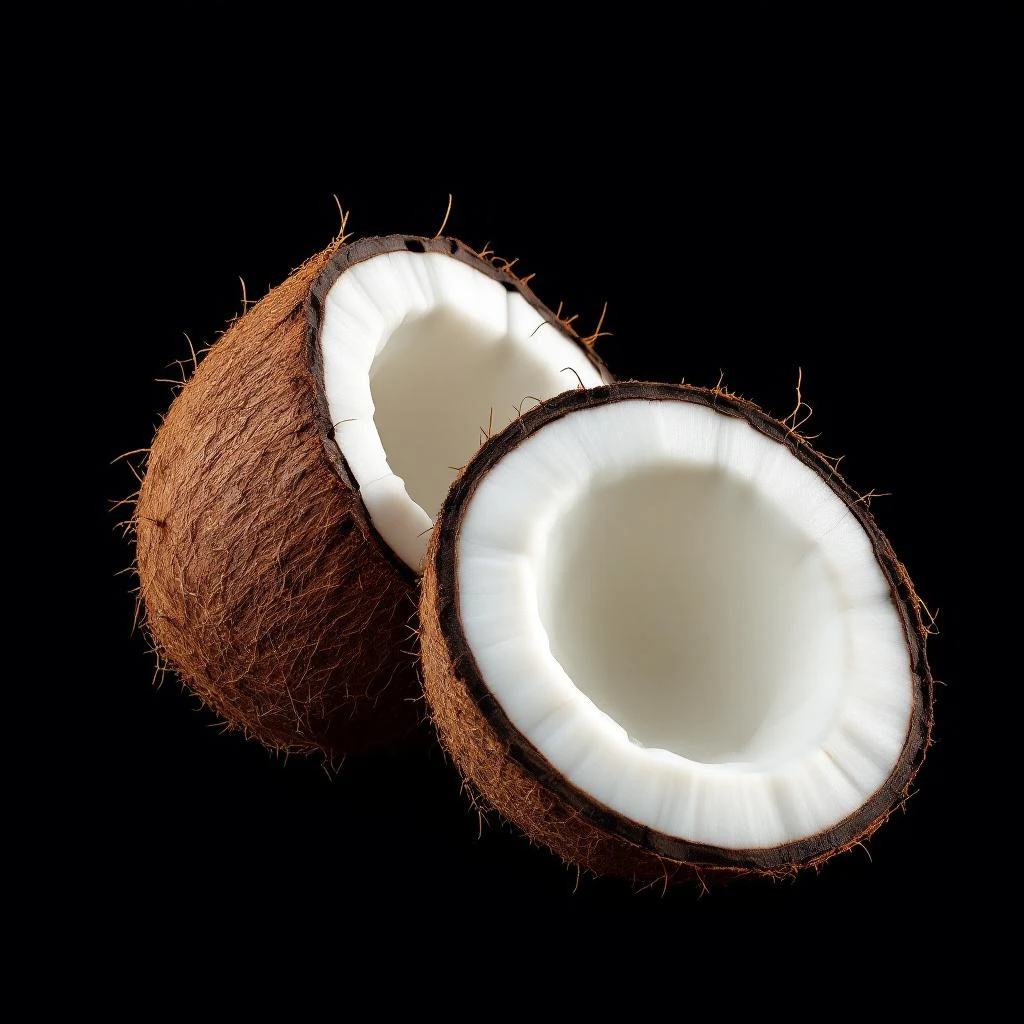
Cabernet Grape
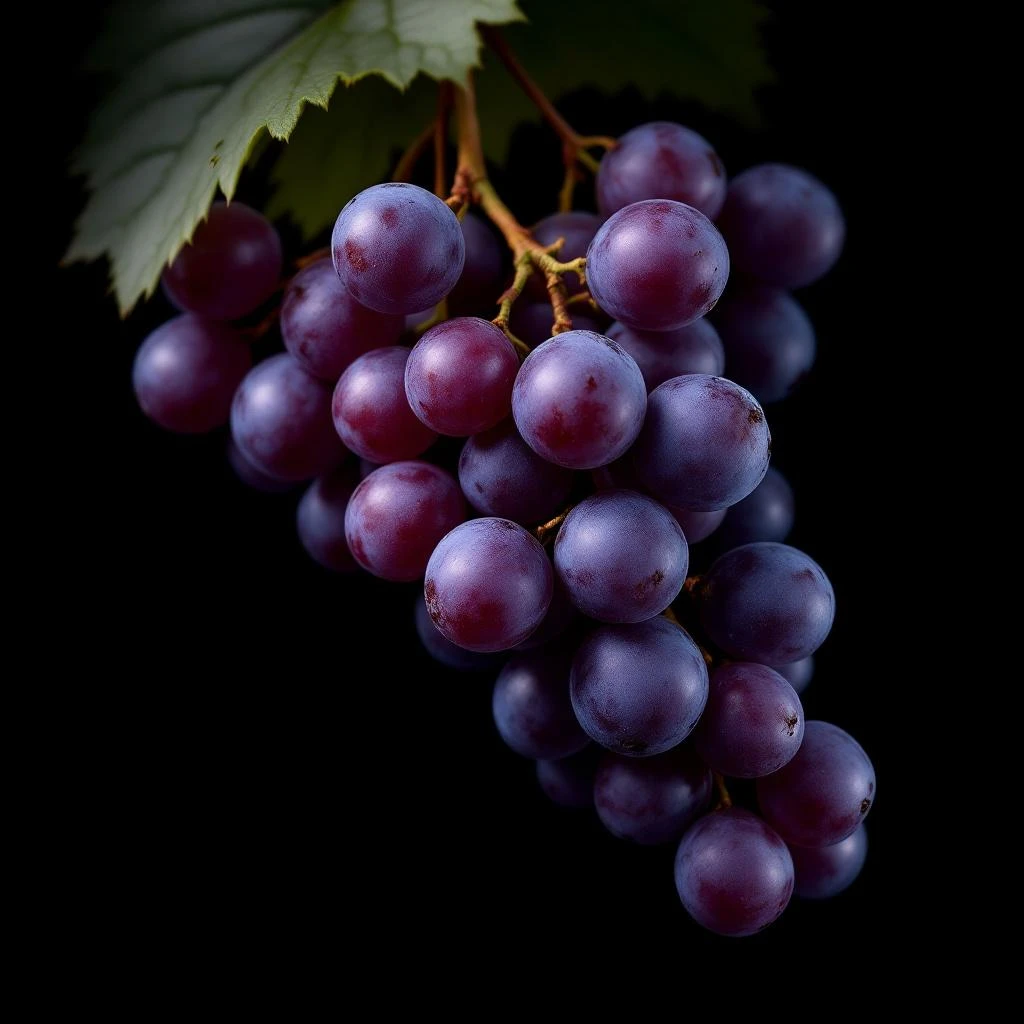
Cabernet grape brings wine-dark richness to fragrance, blending fruity sweetness with deep, jammy warmth. This note captures the essence of ripe red grapes in full perfumery form.
Character
How it smells
Wine-dark richness. Deep jammy warmth.
The Cabernet Sauvignon grape variety resulted from an accidental crossing between Cabernet Franc and Sauvignon Blanc in 17th-century France.
Pairs beautifully with


Origin
France
Grapes rank among the oldest botanical ingredients in perfumery, with documented use dating back to ancient Egyptian civilization where aromatic preparations incorporated grape-derived materials. The modern perfumery application of wine grapes centers on Cabernet Sauvignon, a variety that emerged from a natural crossing between Cabernet Franc and Sauvignon Blanc in 17th-century France.
Ampelographers believe this crossing occurred by chance in the Bordeaux region, where Benedictine monks cultivated vineyards. The new variety gained rapid acceptance among growers because its thick skins and late budding made it resistant to spring frosts and rot.
Today, Cabernet Sauvignon ranks among the most widely planted grape varieties globally, found in virtually every major wine-producing country. Its prominence in viticulture naturally extended into perfumery, where the grape's rich aromatic profile and cultural associations with depth and complexity make it a valued ingredient.
Wears it best
Fragrances featuring Cabernet Grape
Brands
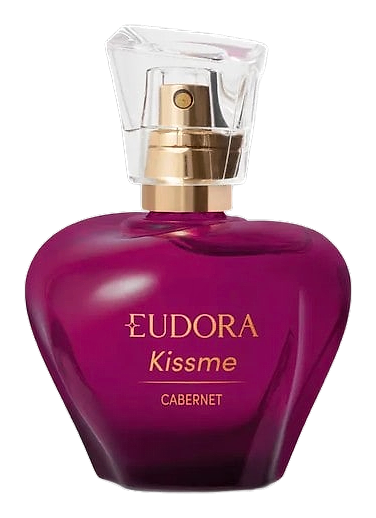
Brands known for Cabernet Grape
Good to know
Questions, answered
The essentials on Cabernet Grape in perfumery: how it smells, where it comes from, and how it behaves on skin.
What does Cabernet grape smell like in perfume?
Cabernet grape offers a fruity, sweet aroma with wine-like depth. Key compounds include methyl anthranilate for the characteristic grape note and cis-3-hexen-1-ol for green freshness.
Is Cabernet grape a natural or synthetic ingredient?
Cabernet grape in perfumery is typically a naturally derived aromatic material extracted from wine grapes. Synthetic alternatives also exist using lab-created methyl anthranilate.
What gives grapes their distinctive scent?
Methyl anthranilate creates the characteristic grape aroma. Cis-3-hexen-1-ol adds a fresh, green grape quality reminiscent of crushed grapes.
How is grape absolute extracted for perfumery?
Solvent extraction is the primary method. Crushed grapes are treated with food-grade solvents that dissolve aromatic compounds, which are then removed to yield a concentrated absolute.
Which part of the grape is used in fragrance?
Perfumers primarily use the grape skins and flesh where aromatic compounds concentrate. Wine grapes contain higher concentrations of these compounds than table grapes.
When did grapes first enter perfumery?
Ancient Egyptians used grapes in perfumery as early as 3000 BCE. Modern wine grape extracts for fragrance developed alongside the rise of natural perfumery.
What fragrance families pair well with Cabernet grape?
Cabernet grape suits fruity, gourmand, and chypre compositions. It pairs naturally with rose, oud, and amber for rich oriental effects.
Where do wine grapes for perfumery originate?
France remains the primary source, particularly the Bordeaux region where Cabernet Sauvignon originated. The variety emerged from a crossing of Cabernet Franc and Sauvignon Blanc.