Blue Hyacinth
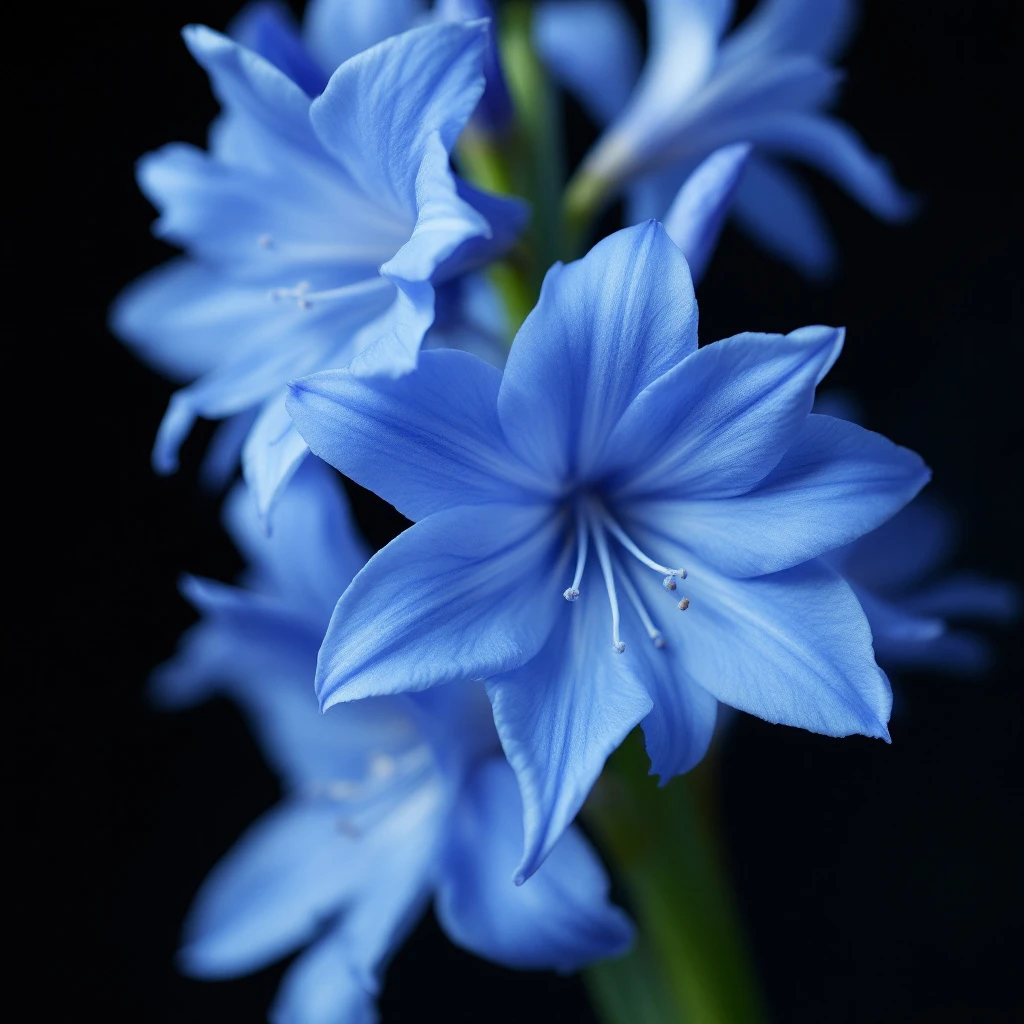
Blue Hyacinth is a cool-toned evolution of Hyacinthus orientalis. Where common hyacinth strikes intensely green, blue varieties offer a quieter, more atmospheric fragrance with fresh, ozonic depth that perfumers amplify into modern aquatic compositions.
Character
How it smells
Cool spring air, captured in bloom.
During the 18th-century Dutch bulb craze, blue hyacinth bulbs reportedly sold for more than gold by weight.









Origin
Syria
Hyacinthus orientalis originated in the hills of Asia Minor and the eastern Mediterranean, with ancient records pointing to Syria as a center of early cultivation. The flower enters written history through Greek myth, where Hyacinthus was a beloved youth of Apollo, his blood giving birth to the flower in spring. The Ottoman Empire spread the flower into Western Europe in the sixteenth century, and Dutch horticulturalists transformed it into a mania by the seventeenth century.
By the 1730s, single bulbs of rare blue varieties sold for sums rivaling a house. Botanical interest drove hybridization toward double flowers, unusual colors, and compact spike forms. The blue hyacinth became an emblem of refinement, grown in force in Dutch glasshouses and carried along trade routes from Istanbul.
Modern perfumery draws on these same cultivated blue varieties, where their cooler, more atmospheric quality distinguishes them from intensely green common hyacinth. The fragrance entered perfumery slowly; unlike rose or jasmine, hyacinth resisted simple water distillation for centuries. Solvent extraction opened access to its scent profile only in the twentieth century, making blue hyacinth a relatively modern perfumery material despite its ancient botanical roots.
Wears it best
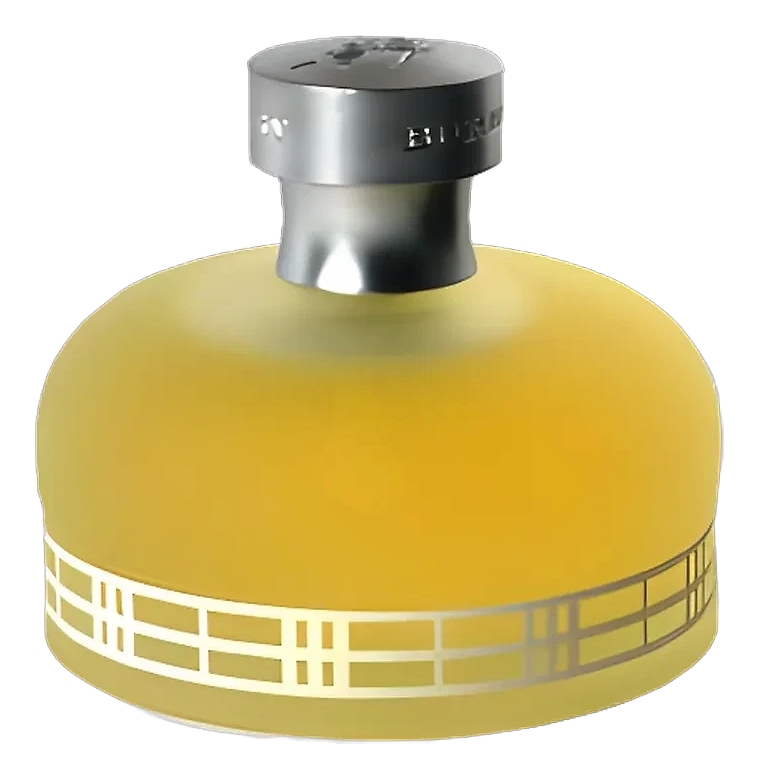
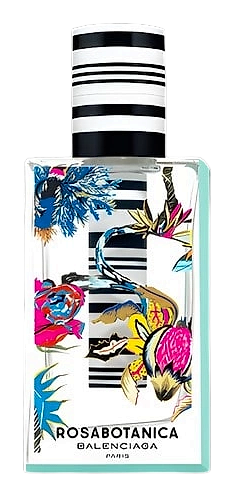
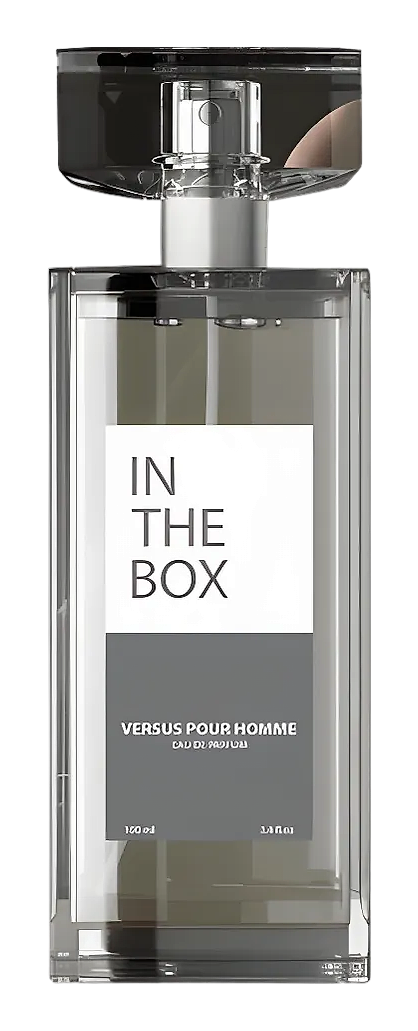
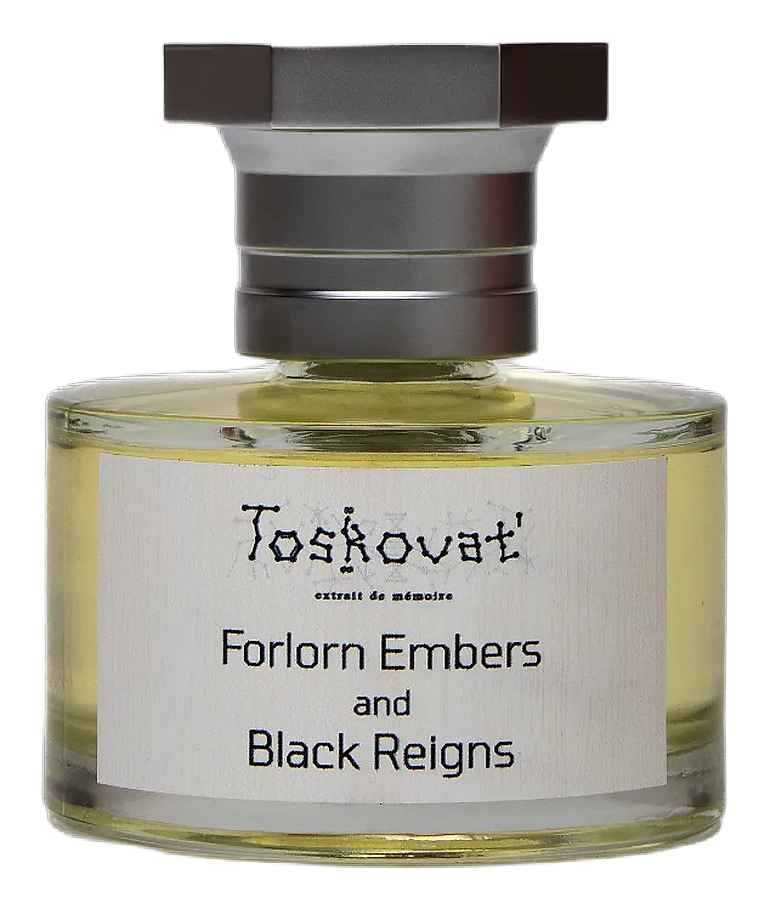
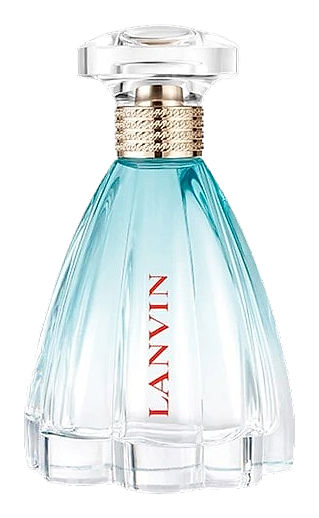
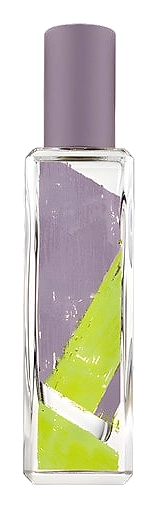
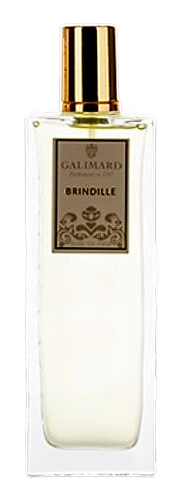
Fragrances featuring Blue Hyacinth
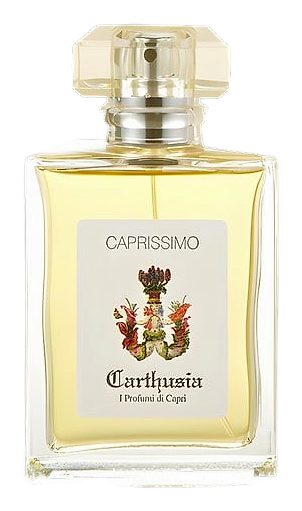
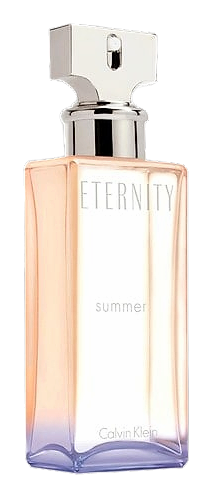
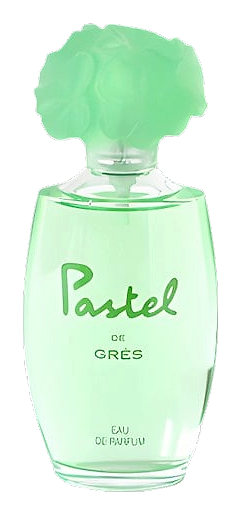
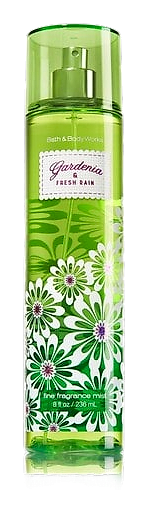
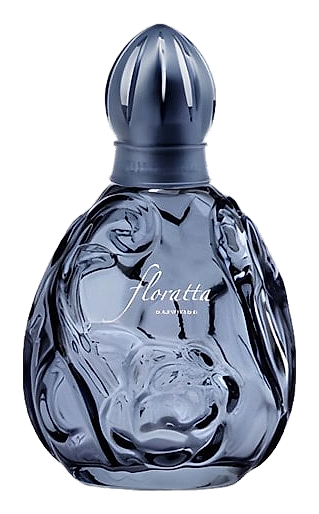
Brands
Brands known for Blue Hyacinth
Good to know
Questions, answered
The essentials on Blue Hyacinth in perfumery: how it smells, where it comes from, and how it behaves on skin.
What does blue hyacinth smell like?
Blue hyacinth carries a cool, fresh-floral character with green undertones and a distinctive dewy, almost ozonic quality. It reads as quieter and more atmospheric than intensely green common hyacinth, with a clean aquatic finish that pairs well with modern fragrance design.
Where does hyacinth originate from?
Hyacinthus orientalis traces to the eastern Mediterranean and Asia Minor, with ancient records centering on Syria. Ottoman traders introduced it to Western Europe in the sixteenth century, where Dutch breeders later drove its global spread.
How is blue hyacinth absolute produced?
Fresh hyacinth blooms undergo volatile solvent extraction. A solvent such as hexane dissolves aromatic compounds into a concrete, which is then washed with alcohol to remove waxes, leaving a concentrated absolute with an intensely green, fresh-cut character.
Is blue hyacinth the same as regular hyacinth?
Blue hyacinth refers to the blue-purple cultivars of Hyacinthus orientalis. They carry the same core green-floral character but with a cooler, more ozonic quality that perfumers use to create atmospheric, aquatic effects in fragrance.
Why is blue hyacinth a luxury ingredient?
Extraction yields are low; thousands of kilograms of fresh blooms yield only hundreds of grams of absolute. The blue cultivars themselves are selectively grown, adding cost. Natural blue hyacinth absolute commands a premium price per gram.
What fragrance families use blue hyacinth?
It appears most in green florals, chypre structures, and modern aquatic or ozonic compositions where its cool, dewy character adds green depth without dominating. It also bridges floral and aromatic fragrance families.
Which ingredients pair well with blue hyacinth?
Blue hyacinth combines with other florals like rose and jasmine, contrasts beautifully with sharp green notes such as galbanum, and bridges toward woody or aquatic base notes including sandalwood and ambroxan.
Does blue hyacinth come from synthetic or natural sources?
Natural blue hyacinth absolute comes from solvent extraction of Hyacinthus orientalis blooms. Some modern fragrances use synthetic recreation of the hyacinth accord. Authentic blue hyacinth absolute remains a specialty natural ingredient.