Blue gum eucalyptus
Blue gum eucalyptus delivers the sharp, fresh, camphorated brightness found in fragrances like Acqua di Gio and Bleu de Chanel. This species, Eucalyptus globulus, supplies most of the world's eucalyptus oil with its distinctive cineole-driven character and woody undertones.
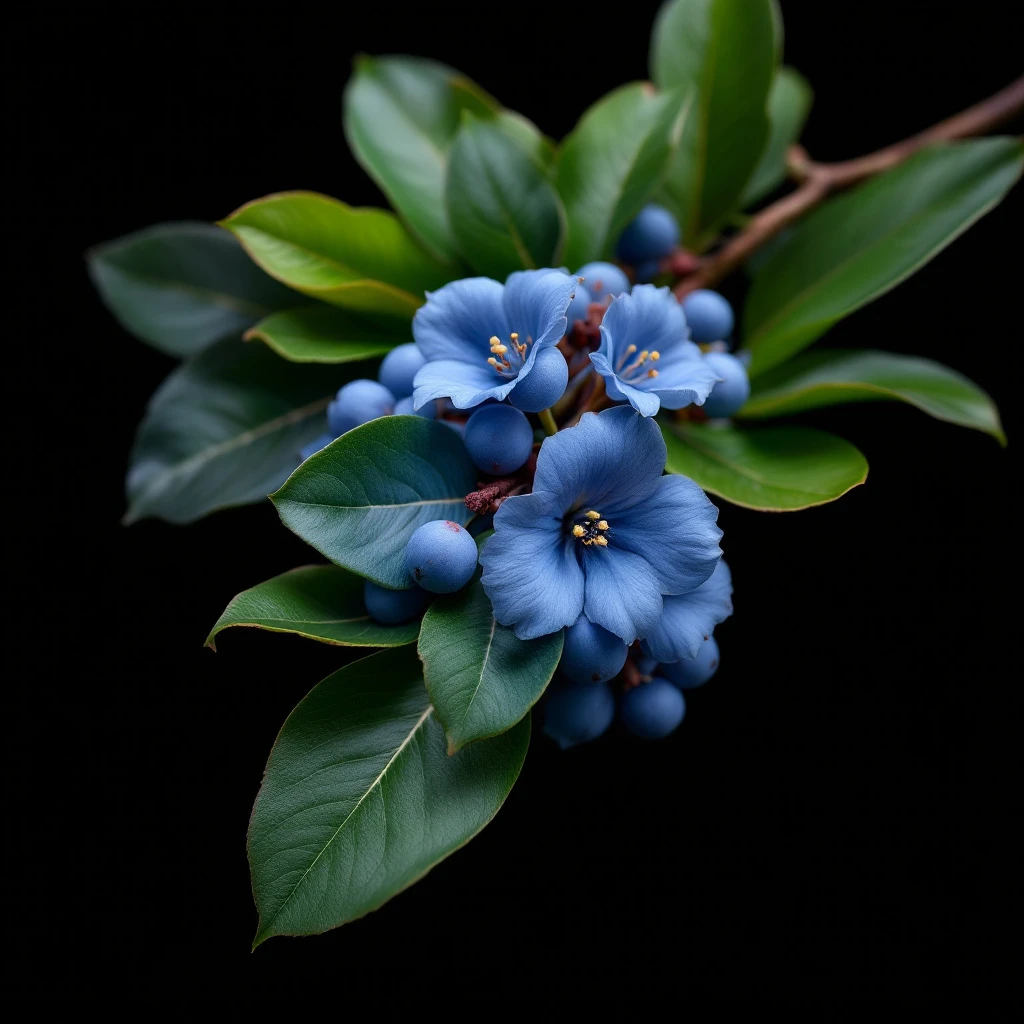
Character
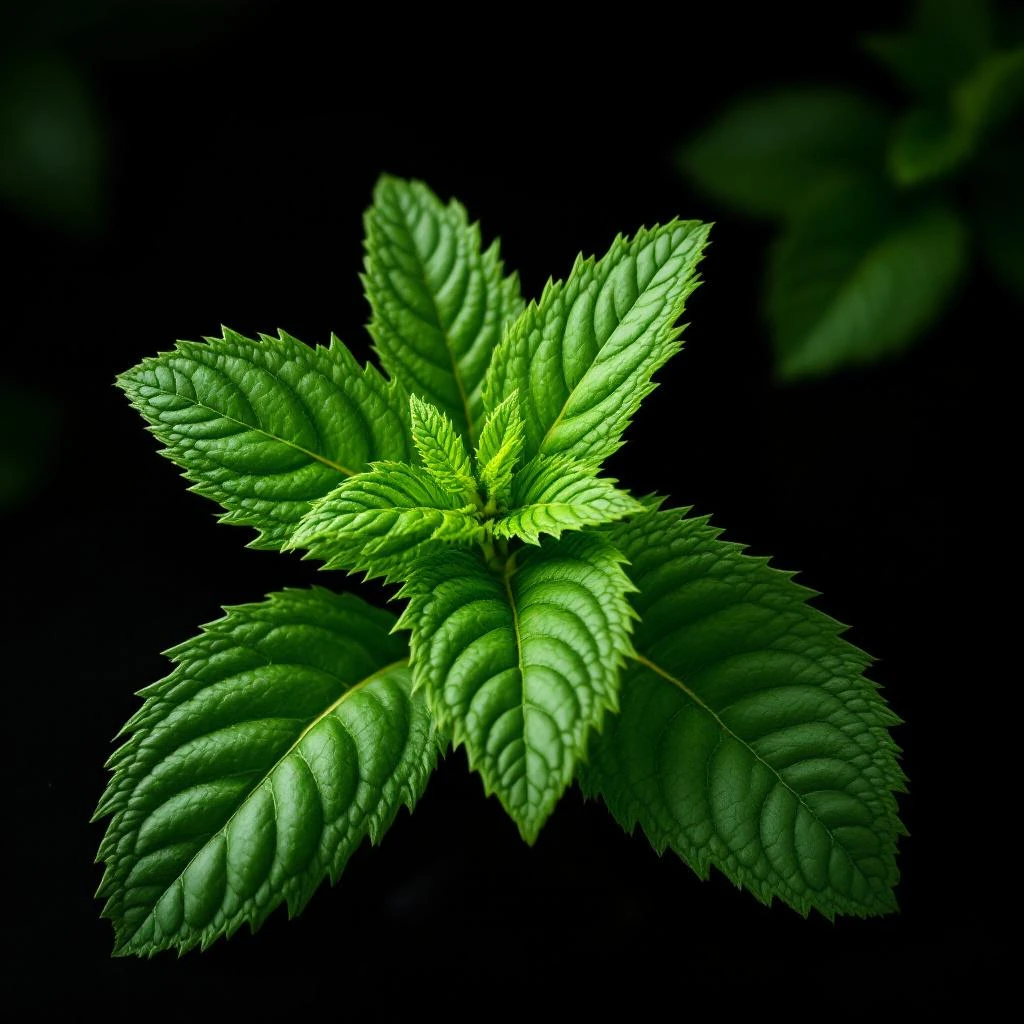
How it smells
The crisp heartbeat of Australian forests.
Eucalyptus globulus supplies the majority of the world's eucalyptus oil, making it the backbone of this aromatic family in perfumery.




Origin
Australia
Australian doctors Dennis Considen and John White first distilled eucalyptus oil in 1788, just months after the colony at Sydney Cove was established. For decades, colonial settlers harvested the trees locally, but commercial production remained limited until 1852, when Melbourne pharmacist Joseph Bosisto established the first sustainable eucalyptus oil industry. Bosisto selected Eucalyptus globulus for its consistent quality and high oil yield, a decision that proved pivotal.
The species became the global benchmark for eucalyptus in perfumery, valued for its clean, bright character that blends well with citrus and marine accords. Today, blue gum remains the dominant eucalyptus species in fine fragrance, its Australian heritage intact even as cultivation has spread to China and India.
Wears it best
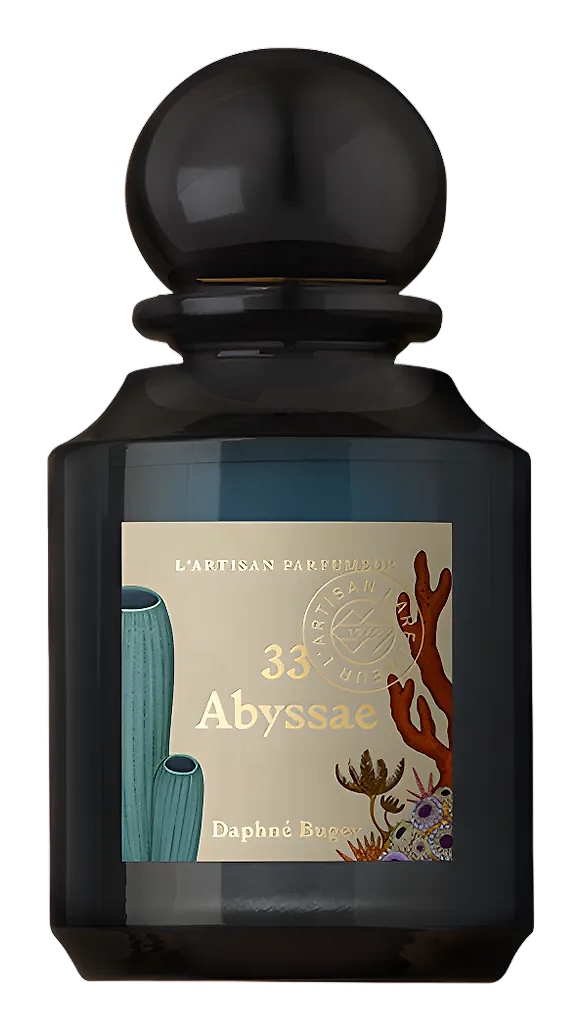
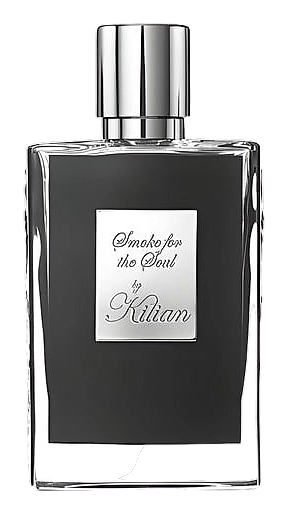
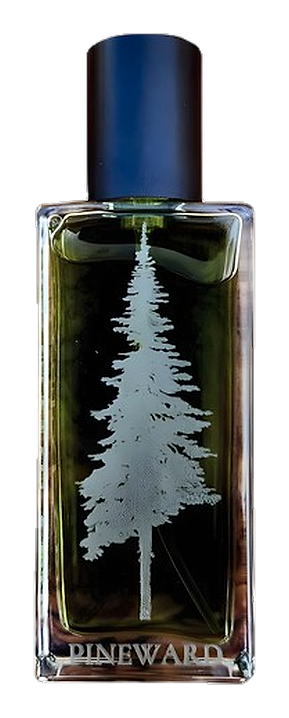
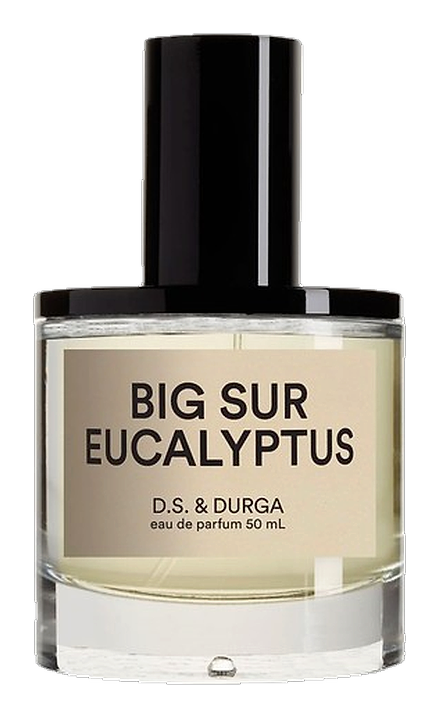
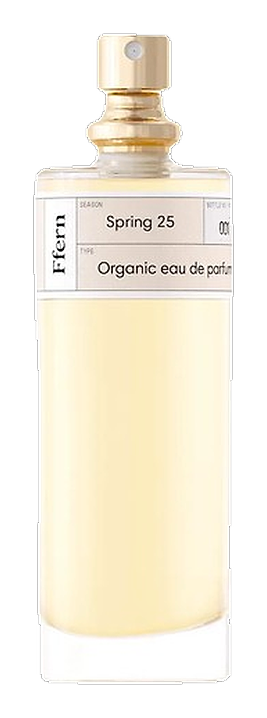
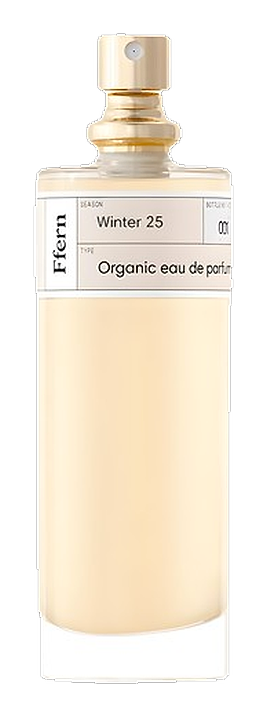
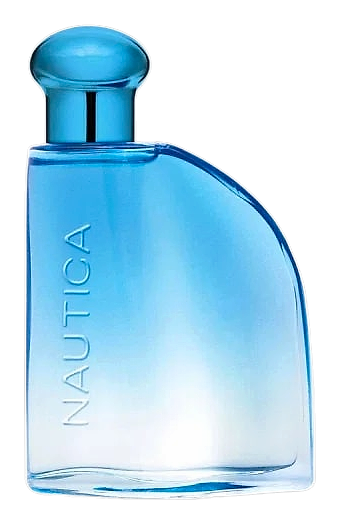
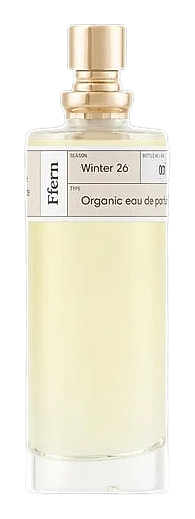
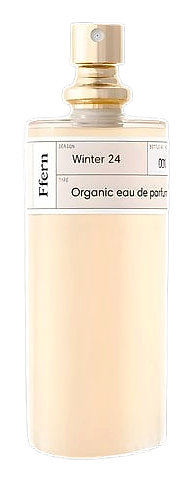
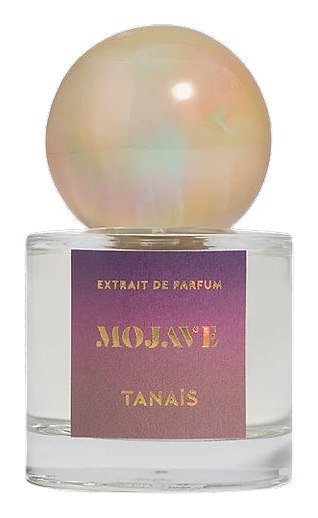
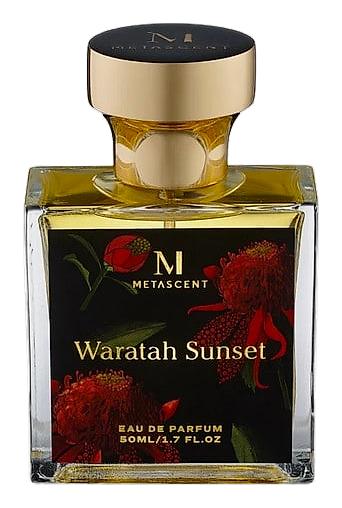
Fragrances featuring Blue gum eucalyptus

Brands
Brands known for Blue gum eucalyptus
Good to know
Questions, answered
The essentials on Blue gum eucalyptus in perfumery: how it smells, where it comes from, and how it behaves on skin.
What does blue gum eucalyptus smell like?
Blue gum eucalyptus smells sharp, fresh, and camphorated with woody undertones. The dominant compound 1,8-cineole creates a clean, cool sensation often described as medicinal yet inviting. It reads as crisp and green in top-note applications, providing brightness without sweetness.
How is blue gum eucalyptus oil produced?
Producers steam distill the leaves and twigs of Eucalyptus globulus to extract the oil. The process involves passing live steam through shredded plant material, which vaporizes the volatile compounds including 1,8-cineole. The vapor condenses, and the oil separates from the water phase for collection and filtration.
Where does blue gum eucalyptus originate?
Blue gum eucalyptus is native to southeastern Australia, particularly Tasmania and southern Victoria. Eucalyptus globulus now grows in China and India as well, where most commercial oil production occurs. Australia remains the botanical origin of the species.
What makes blue gum eucalyptus different from other eucalyptus varieties?
Blue gum eucalyptus, Eucalyptus globulus, supplies the majority of global eucalyptus oil because of its consistent quality and high yield per kilogram of leaves. Its 1,8-cineole content runs around 70-85 percent, which creates a sharper, more medicinal character than lemon eucalyptus or cidrat eucalyptus.
What compound defines blue gum eucalyptus in perfumery?
1,8-cineole, also called eucalyptol, defines blue gum eucalyptus. This terpene oxide makes up roughly 70-85 percent of the oil and delivers the cool, camphorated sensation perfumers seek. The compound pairs well with citrus materials and marine bases.
Which fragrance families use blue gum eucalyptus?
Fragrance designers use blue gum eucalyptus most often in aromatic and fougere compositions. It appears in men's freshwaters like Acqua di Gio and Bleu de Chanel, where it reinforces the marine or citrus top notes. It also shows up in aromatic sports fragrances and herbal chypres.
Is blue gum eucalyptus used in aromatherapy as well as perfumery?
Blue gum eucalyptus oil has significant therapeutic applications beyond perfumery. Its 1,8-cineole content makes it a common choice for respiratory and muscular formulations. In aromatherapy, practitioners value its clearing, invigorating character, which aligns closely with its role in fragrance.
Can blue gum eucalyptus oil be synthesized?
Synthetic 1,8-cineole exists and is used in some applications, but natural blue gum eucalyptus oil remains preferred in fine fragrance. The natural oil contains trace compounds beyond 1,8-cineole that add complexity, including pinene and limonene, which a synthetic isolate cannot replicate.