Blue Chamomile
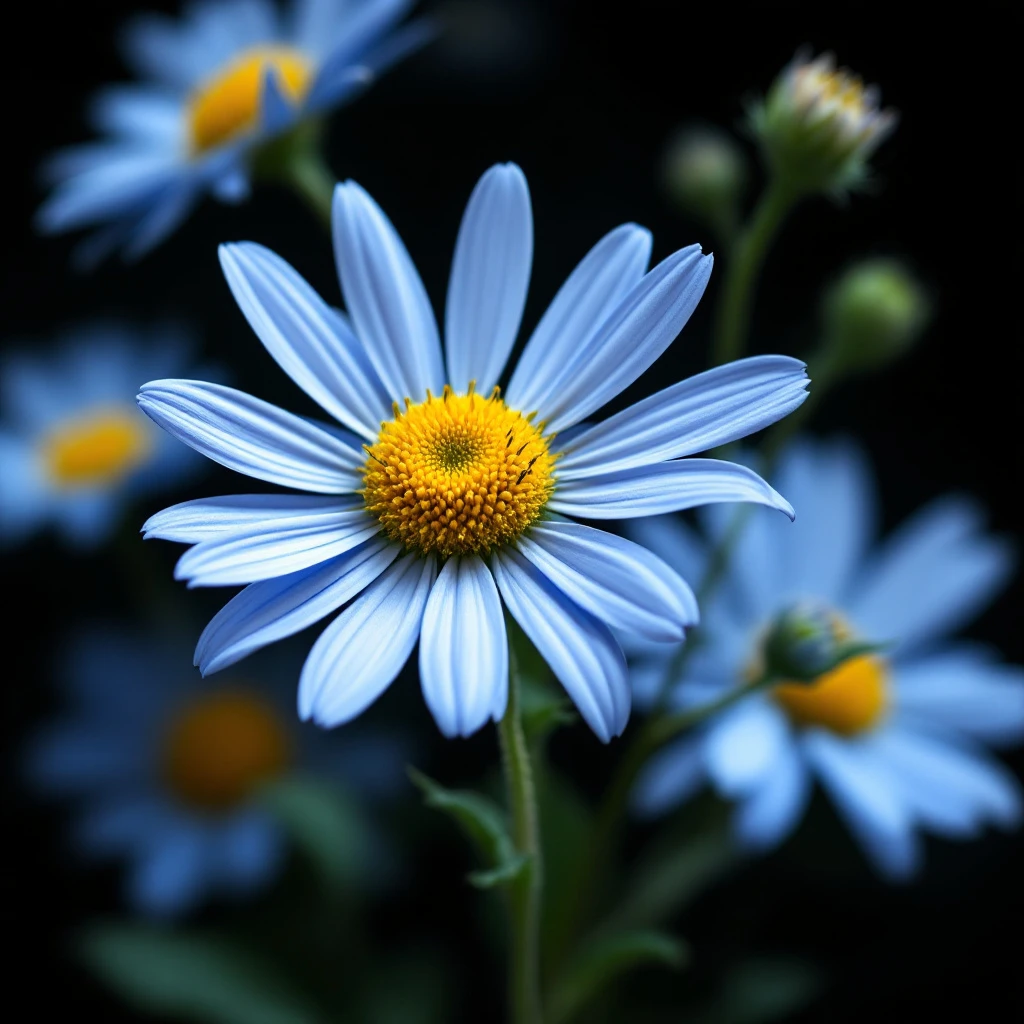
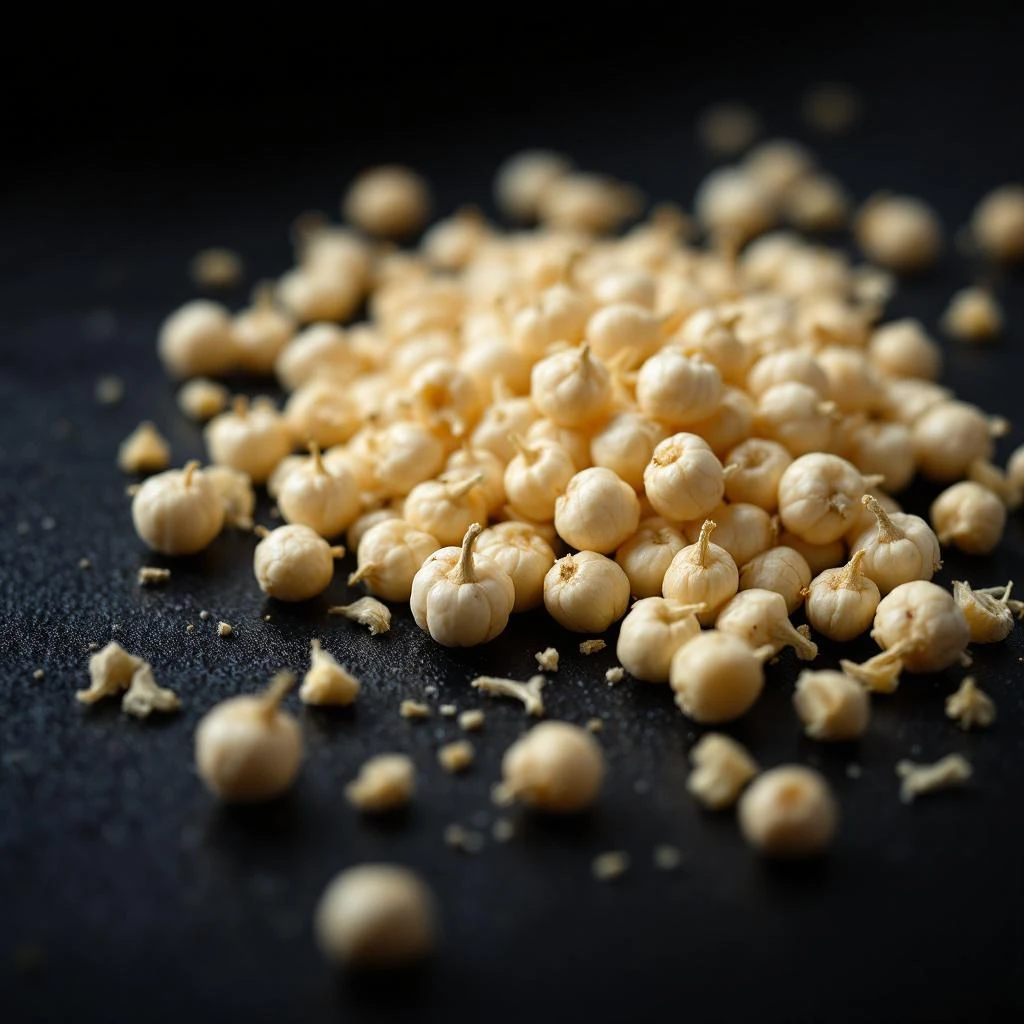
Blue chamomile delivers a soothing herbal sweetness with honeyed undertones. Its signature deep azure color comes from chamazulene, a compound formed during steam distillation that creates its warm, comforting presence in fragrance.
Character
How it smells
The gentle giant of aromatic herbs, painted in blue.
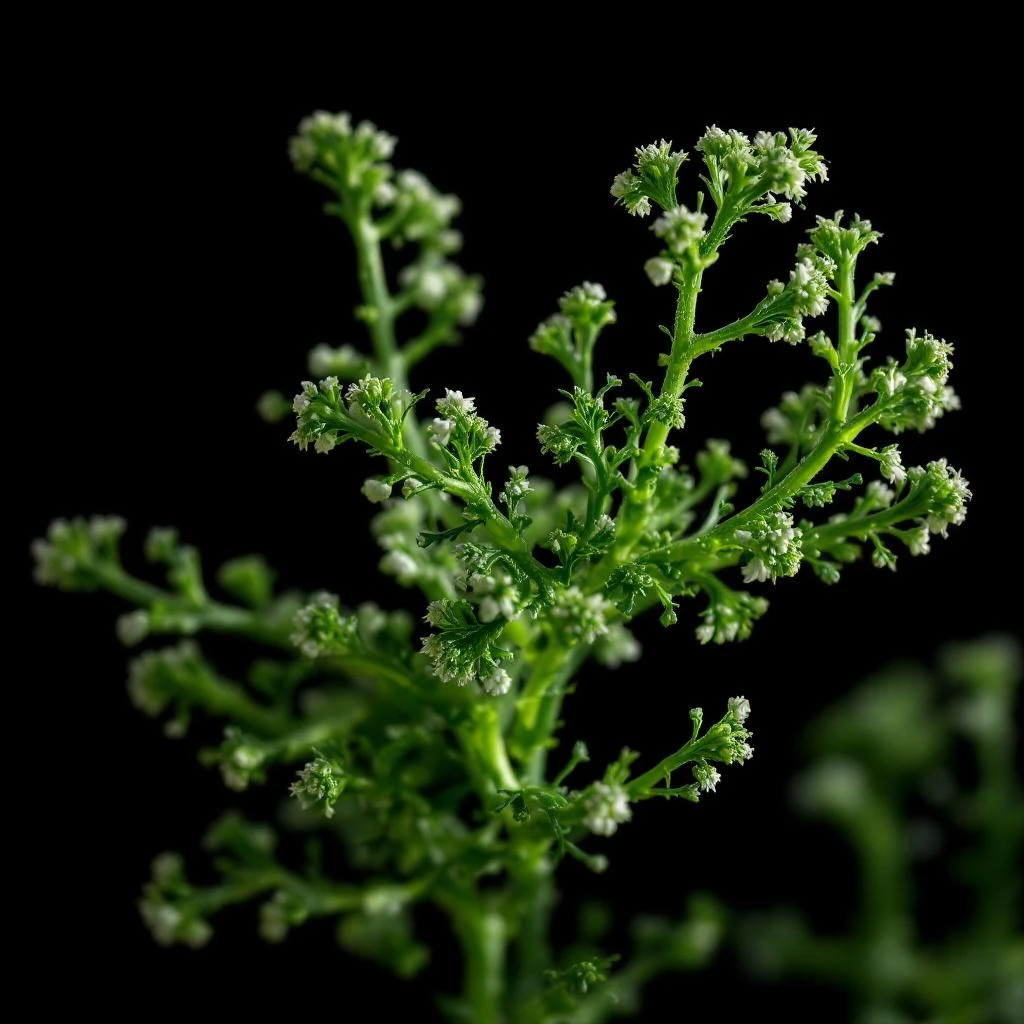
The vivid blue color develops only during steam distillation. The fresh flowers are actually greenish-yellow; chamazulene forms as heat transforms matricin into this striking compound.




Origin
Egypt
German chamomile has been cultivated along the Nile for over three thousand years. Ancient Egyptian texts describe chamomile preparations for wound care and digestive complaints, and frescoes in tomb paintings depict the flower in ceremonial contexts.
Greek physician Dioscorides documented its use around 50 CE, while Roman naturalists noted its popularity in bath preparations and culinary applications. The Egyptian pharmaceutical industry of the early 20th century established blue chamomile as a premium export commodity, shipping the oil to European perfume houses that prized it for the warm undertones it lent to complex fragrance compositions.
Today, Egypt remains the primary source of premium blue chamomile essential oil, though smaller-scale cultivation occurs in Hungary, France, and Argentina. The material never fell out of favor with perfumers, though its use shifted from prominent applications to a prized base-note modifier that adds depth and roundness to modern formulations.
Wears it best
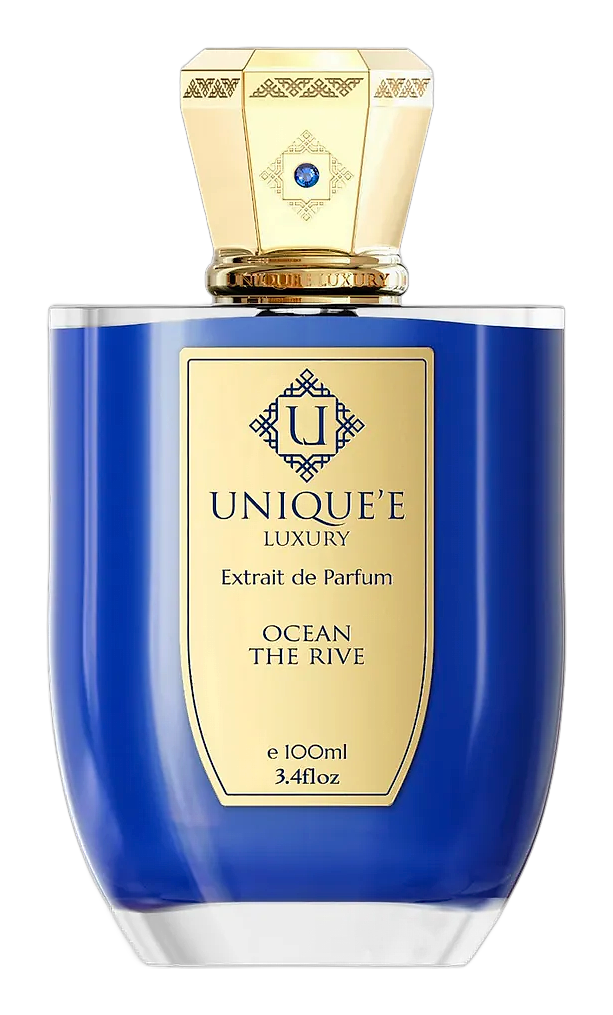
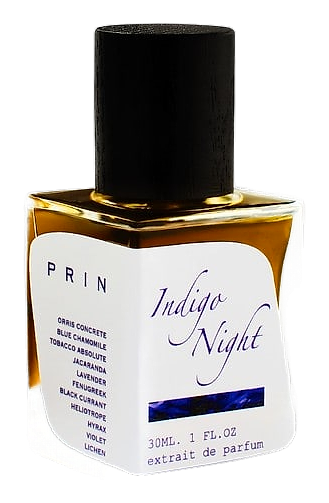
Fragrances featuring Blue Chamomile
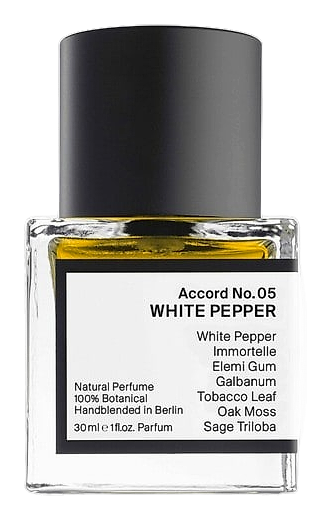
Brands
Brands known for Blue Chamomile
Good to know
Questions, answered
The essentials on Blue Chamomile in perfumery: how it smells, where it comes from, and how it behaves on skin.
What does blue chamomile smell like?
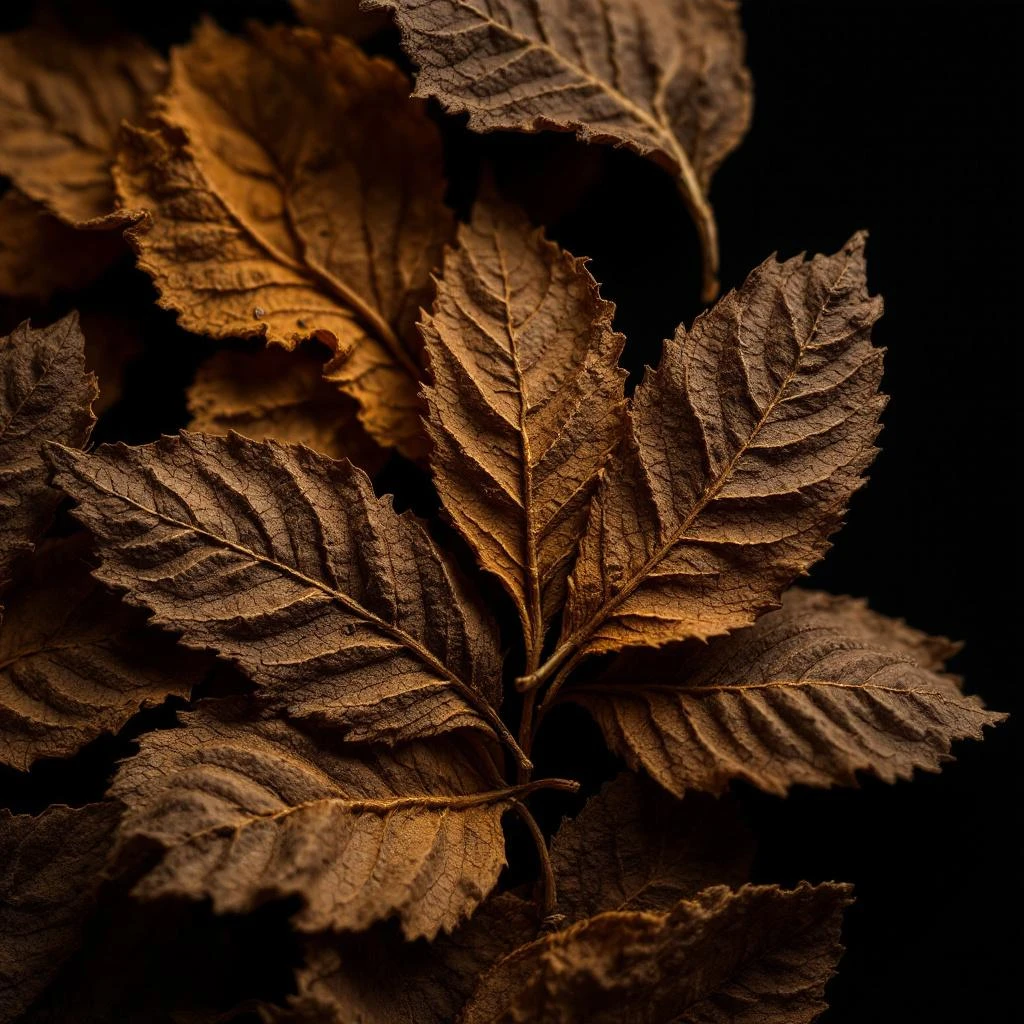
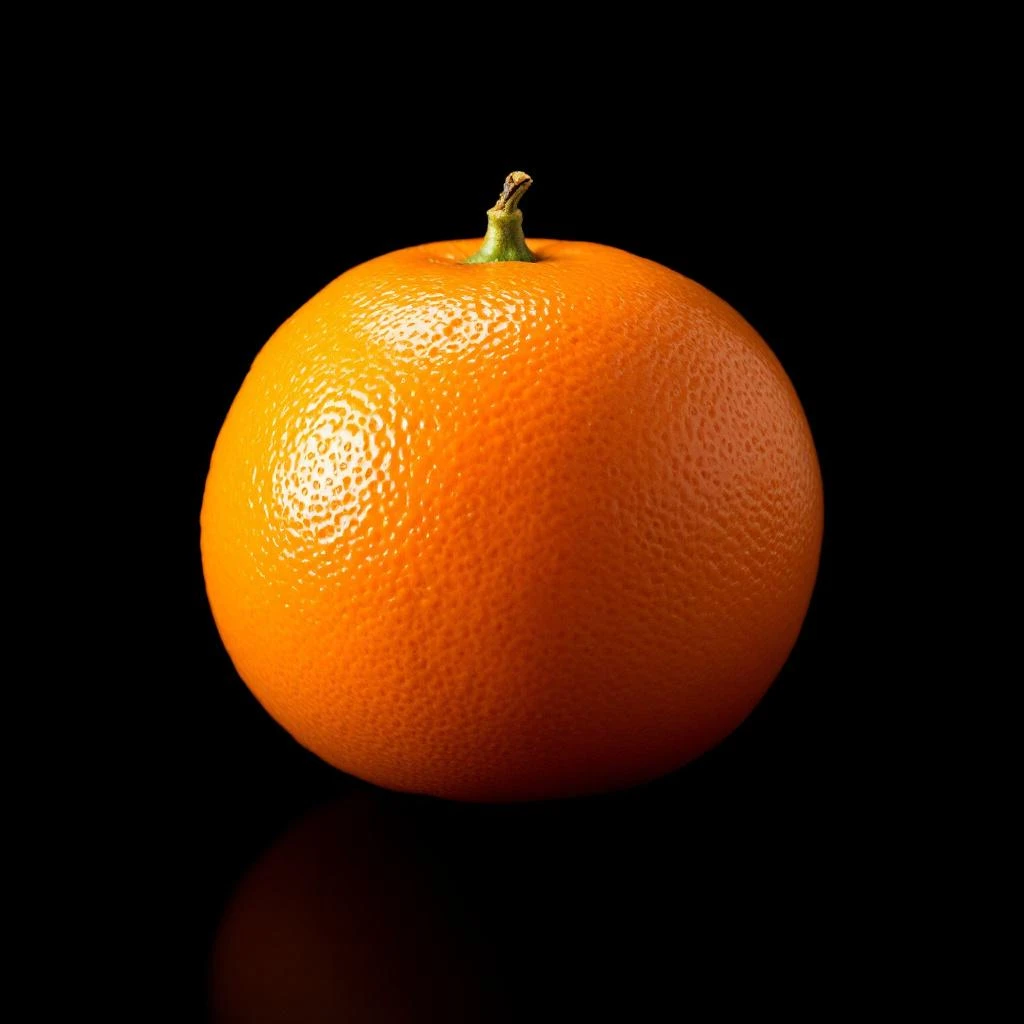
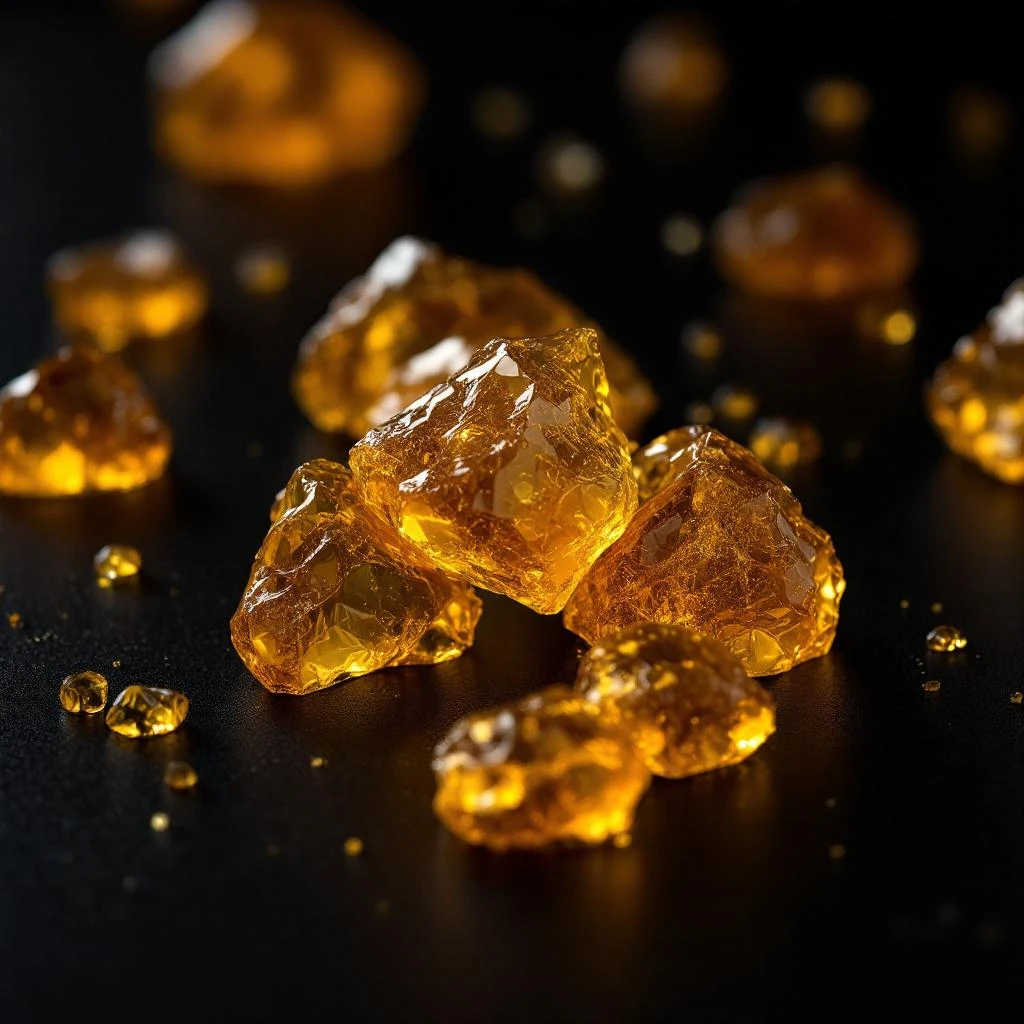
Blue chamomile offers a sweet, herbaceous aroma with distinct hay-like and honeyed facets. The scent is warm and calming, with a softly bitter finish that develops as the fragrance settles. It reads as more complex than the herbal tea commonly associated with the plant.
Why is it called blue chamomile?
The name refers to the oil's striking azure color, caused by chamazulene formed during distillation. Fresh German chamomile flowers are actually yellow-green. The transformation of matricin into chamazulene under heat produces this characteristic deep blue hue, which indicates high oil quality.
Is blue chamomile the same as Roman chamomile?
No. Blue chamomile comes from German chamomile (Matricaria chamomilla), while Roman chamomile (Chamaemelum nobile) is a separate species. Roman chamomile oil is pale yellow with a sweeter, more apple-like scent, whereas blue chamomile delivers a deeper, more herbaceous profile.
What role does blue chamomile play in perfumery?
Blue chamomile functions primarily as a base-note modifier. Perfumers value it for adding warmth, depth, and a natural herbal complexity that rounds out synthetic or floral compositions. It appears in fine fragrance, skincare, and aromatherapy products as both a scent and a skin-conditioning agent.
Where does blue chamomile essential oil come from?
Egypt's Nile Valley is the primary origin for premium blue chamomile oil. The region's warm, dry climate and alkaline soil produce flowers with high matricin content. Hungary, France, and Argentina also cultivate the plant on a smaller scale.
What is chamazulene and why does it matter?
Chamazulene is a sesquiterpene compound that develops during steam distillation. It is responsible for both the oil's distinctive blue color and some of its anti-inflammatory properties. Higher chamazulene content indicates a more potent and aromatic oil.
Can blue chamomile cause skin reactions?
Blue chamomile contains chamazulene and other sesquiterpene lactones that may cause sensitivity in individuals with asteraceae allergies. The oil is considered a moderate sensitizer; diluted use in leave-on products should be avoided by those with known plant allergies. Always patch test before use.
Is blue chamomile oil sustainable?
Production is relatively sustainable as chamomile is an annual crop that requires minimal pesticide input in appropriate climates. However, the low yield—several hundred kilograms of dried flowers per kilogram of oil—means blue chamomile remains a relatively scarce and valued material in the fragrance supply chain.