Blood Musk
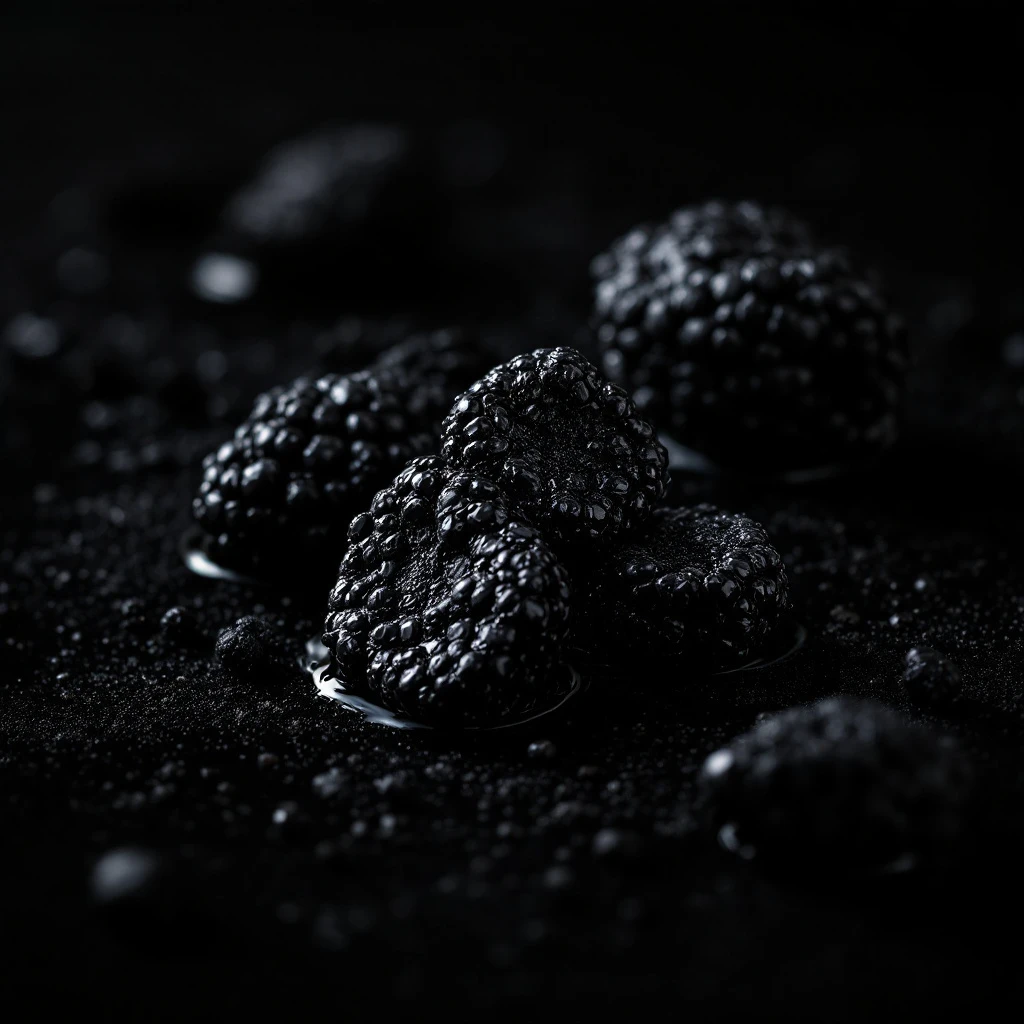
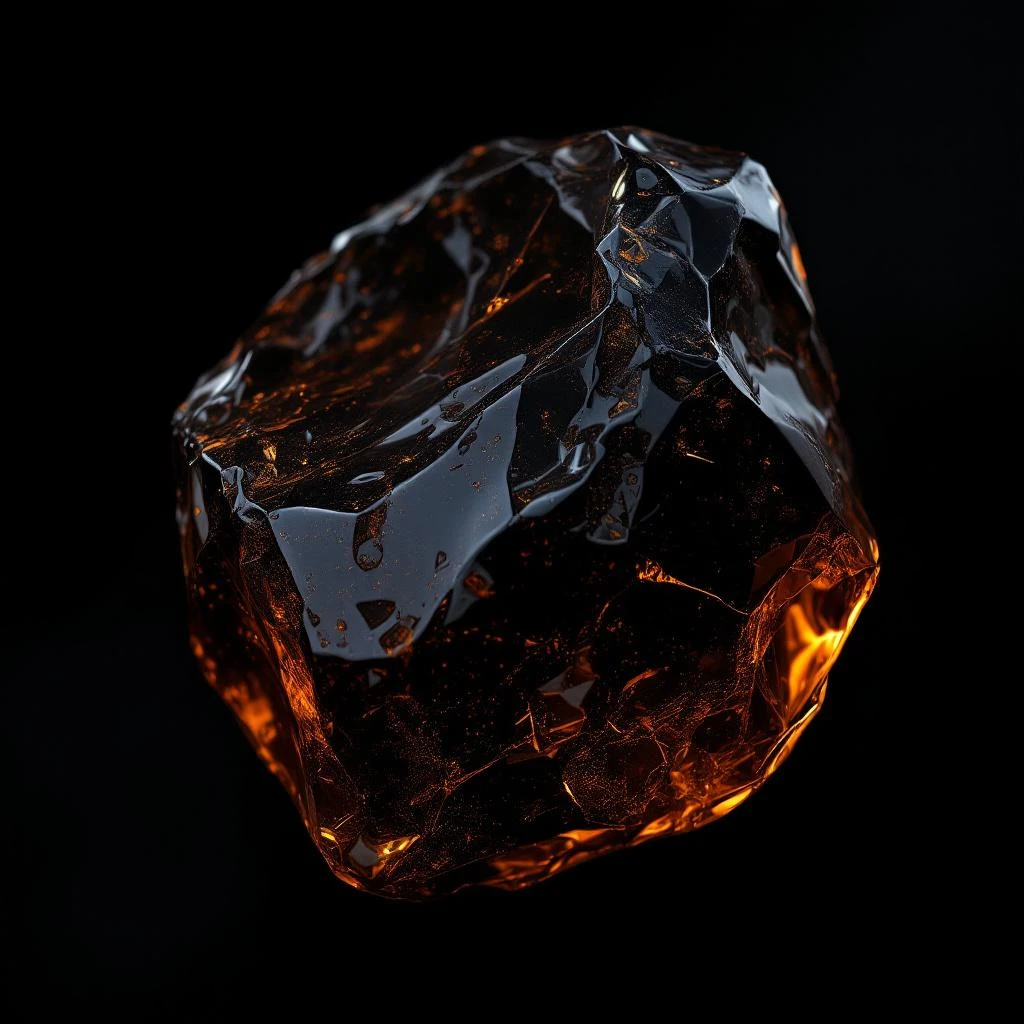
Blood Musk is a poetic perfumery term evoking the raw, primal essence of animal-derived musks. Unlike standard white or clean musks, this descriptor suggests depth, warmth, and an almost visceral animalic character.
Character
How it smells
The primal heartbeat of perfumery.
The term "Blood Musk" likely refers to the rich, warm quality of animal musks rather than any literal blood content in the ingredient.



Origin
Switzerland
For over a thousand years, musk meant one thing to perfumers: the pod of the musk deer. The Sumerians used it in the third millennium BC, trading it along ancient incense routes that connected East and West. Arabian physicians prescribed it medicinally.
European royalty considered it more valuable than gold by weight. Lavoslav Ružička, working at Firmenich, synthesized the first musky aromatic molecule in 1926, eventually winning a Nobel Prize for his broader hormone work. By the late 19th century, economic and ethical concerns had shifted the industry toward synthetic alternatives.
Today, every reputable house uses only synthetic musks or certified alternatives, making references to "blood musk" purely a descriptive choice rather than a sourcing statement.
Wears it best
Fragrances featuring Blood Musk
Brands
Brands known for Blood Musk
Good to know
Questions, answered
The essentials on Blood Musk in perfumery: how it smells, where it comes from, and how it behaves on skin.
Is Blood Musk a real ingredient?
No. "Blood Musk" is a descriptive perfumery term, not a recognized ingredient. It evokes the warm, primal character of animal musks without referring to any specific material.
What does Blood Musk smell like?
The term suggests deep, warm, and slightly animalic qualities. Actual blood musk references invoke warmth close to skin, subtle earthiness, and an almost visceral intimacy.
Is Blood Musk cruelty-free?
Modern perfumery achieves animalic warmth entirely through synthetic musks. No animals are used or harmed in contemporary fragrance production of blood musk-style notes.
What is the difference between white musk and blood musk?
White musks are clean, skin-like, and powdery. Blood or animalic musks carry deeper, warmer, earthier qualities reminiscent of natural animal secretions.
Which animals were traditional sources of musk?
Musk deer, civet cats, and beavers were the primary sources. Ambergris from sperm whales was also used. All three land animal sources are now banned from legitimate perfumery.
When did perfumery switch from natural to synthetic musks?
Synthetic musks began replacing natural sources in the late 19th century. By 1926, Ružička had synthesized the first musky molecule at Firmenich, accelerating the shift.
What synthetic molecules create blood musk character?
Musk T, Habanolide, Exaltolide, and Globanone are among the molecules used. These synthetics replicate the deep, warm qualities associated with animalic musks.
Why use the term "blood" with musk?
The term references warmth and primal quality. It distinguishes deeper, earthier musk profiles from cleaner white musks in perfumery vocabulary.