Black Patchouli
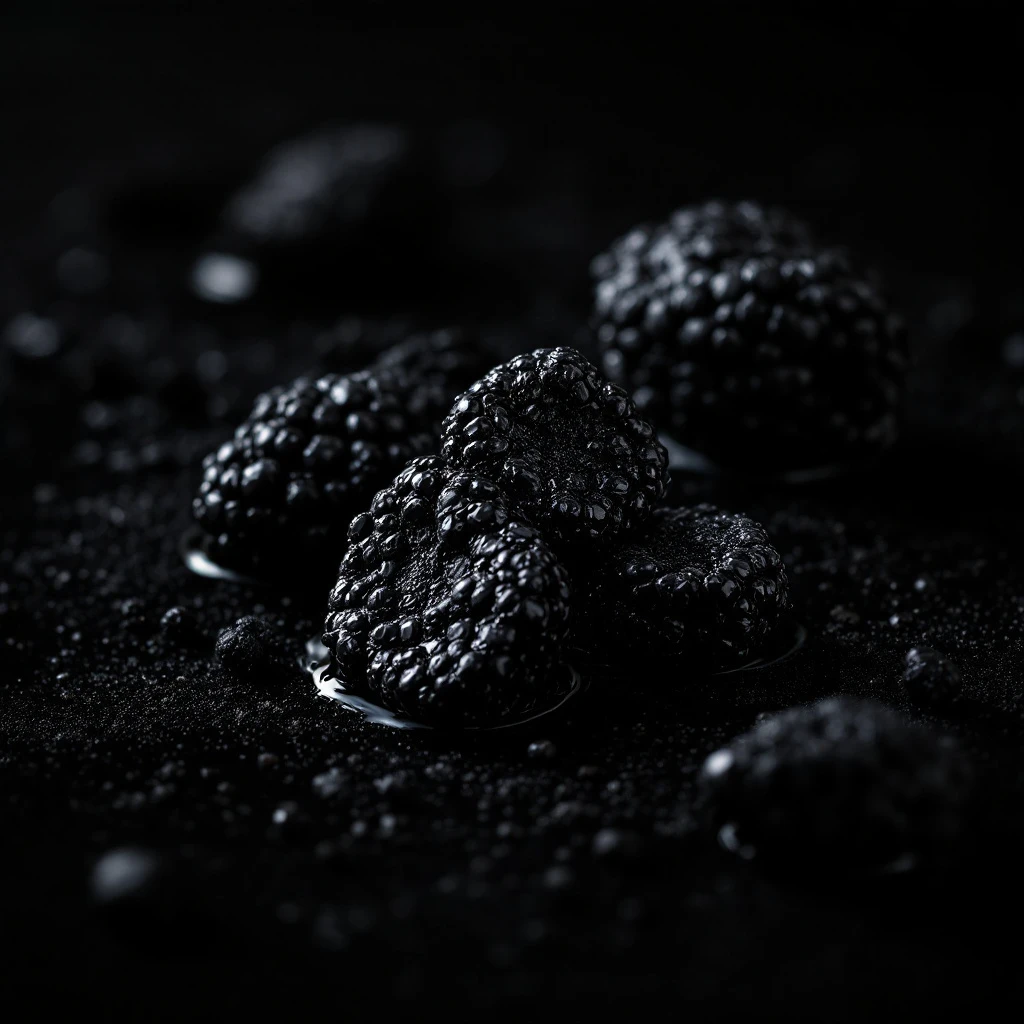
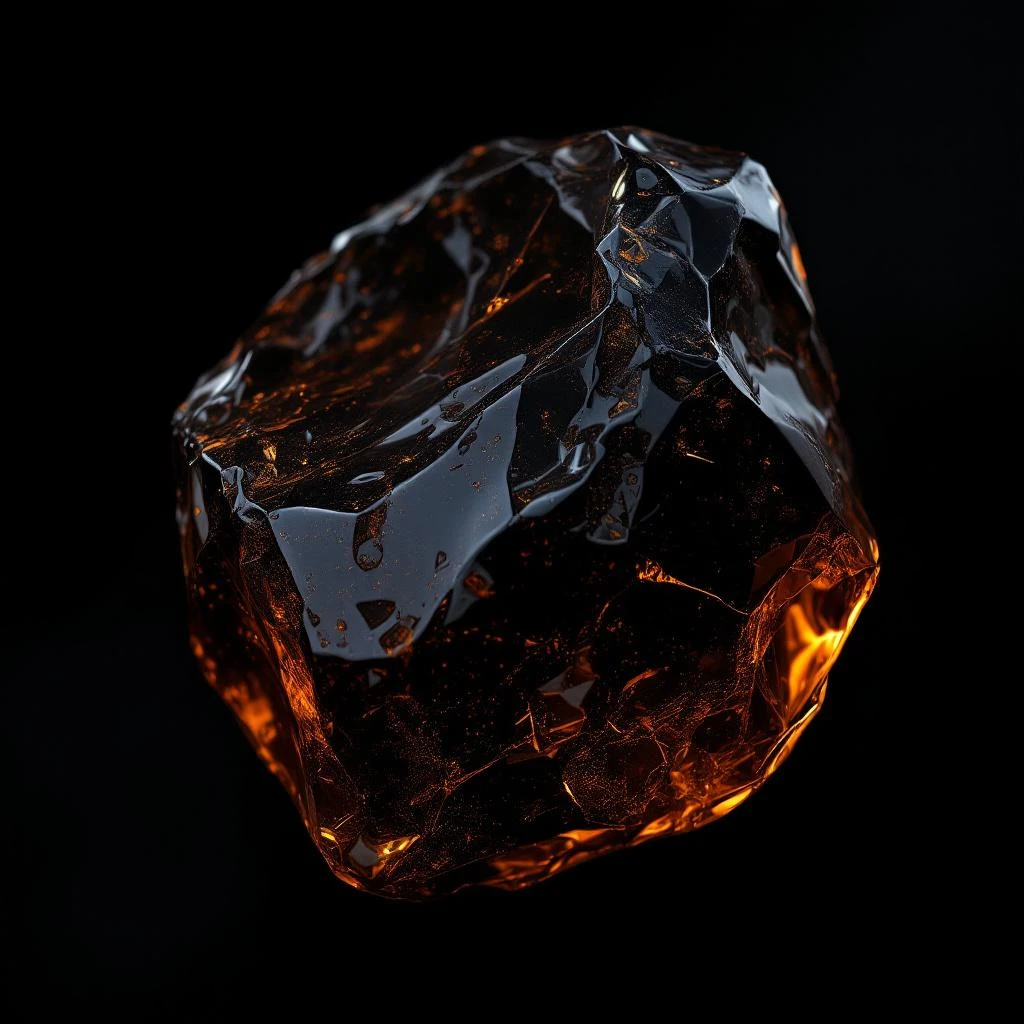
Dark, resinous, and unmistakably sensual. Black patchouli is the concentrated soul of the patchouli plant, aged and intensified into a base note that anchors fragrances with earthy depth and a subtle sweetness that lingers.
Character
How it smells
The earthy anchor that deepens and endures.
In 19th-century Europe, traders sealed patchouli leaves inside Kashmir shawls to verify authenticity during transport. The lingering scent became a mark of genuine craftsmanship.

Origin
Indonesia
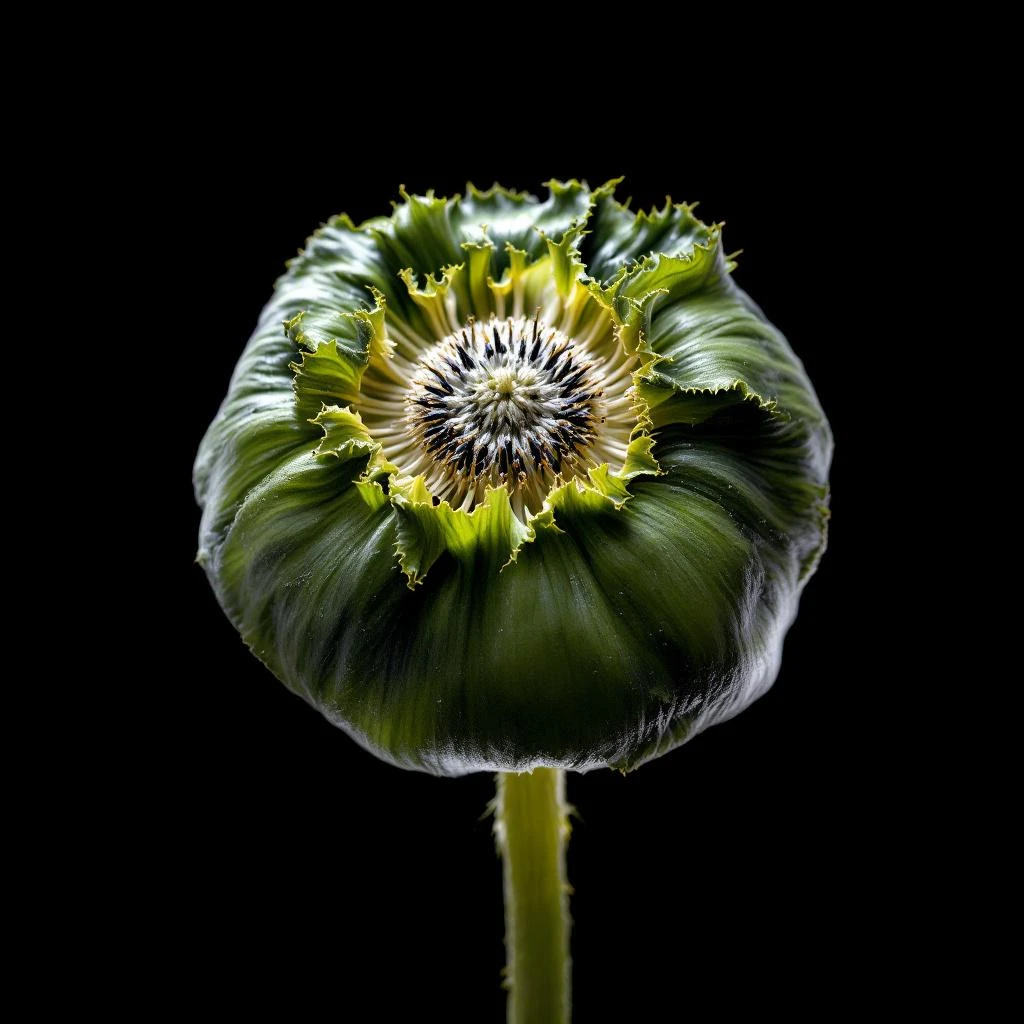
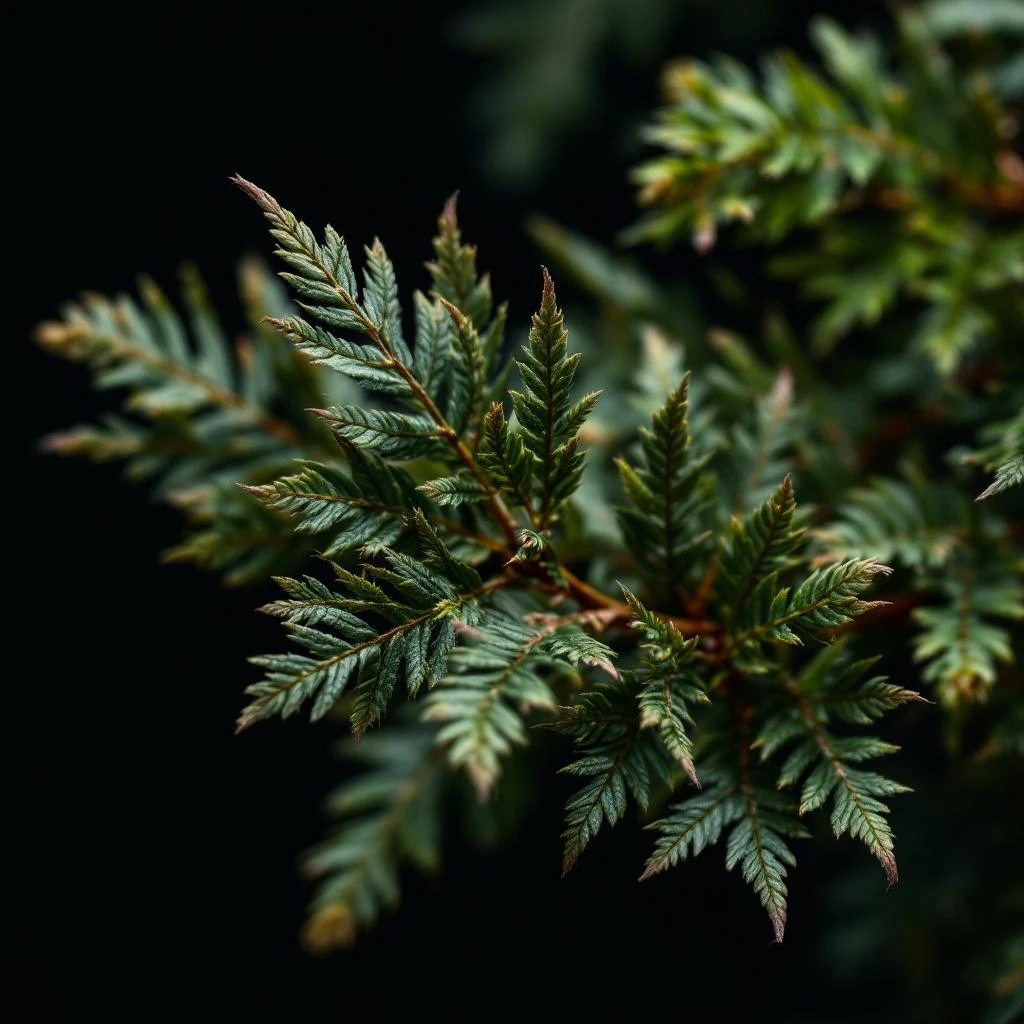
Patchouli's story spans continents and centuries. Native to Southeast Asia, the plant traveled ancient trade routes to India and China, where practitioners employed it in traditional medicine and perfumery. The leaves served a practical purpose in textile preservation, protecting fine fabrics from moths during long journeys. European traders encountered patchouli through the Kashmir shawl trade during the 1800s.
Shawls packed with dried leaves arrived carrying the distinctive scent, which became an authenticity marker. Wealthy Europeans developed an association between the fragrance and exotic luxury goods. Perfumers began incorporating patchouli into compositions during the Second Empire period, initially as a supporting note. The 1960s counterculture movement transformed patchouli into something more than a perfumery ingredient, linking it to self-expression and environmental awareness.
This cultural moment elevated the material from obscure raw ingredient to symbol of individuality. Today, Indonesian cultivation dominates global production, with regional variations creating distinct aromatic profiles. The "black" designation specifically refers to aged or heavily processed oil, reflecting how the material's character deepens over time.
Wears it best
Fragrances featuring Black Patchouli
Brands
Brands known for Black Patchouli
Good to know
Questions, answered
The essentials on Black Patchouli in perfumery: how it smells, where it comes from, and how it behaves on skin.
What does black patchouli smell like?
Black patchouli presents as earthy, resinous, and deeply woody with camphoraceous undertones. Aged or dark oil adds notes of dried fruit, cocoa, and a subtle sweetness that rounds out the earthiness. The scent lingers for hours, growing softer and more diffuse over time.
Is black patchouli a different plant species?
No. Black patchouli comes from Pogostemon cablin, the same species used for standard patchouli oil. The "black" designation refers to aged or heavily processed oil that has oxidized and darkened, developing deeper, more resinous character than freshly distilled material.
Why is patchouli called a fixative in perfumery?
Patchouli contains molecules that slow the evaporation of lighter fragrance components. Perfumers add it to formulas to extend wear time and keep top and heart notes detectable for longer periods. A small percentage significantly impacts fragrance longevity.
Where does most patchouli oil come from?
Indonesia produces approximately 90% of the world's patchouli oil. The tropical climate and agricultural expertise create ideal growing conditions. India and Malaysia also cultivate the plant, but in much smaller quantities.
Does patchouli oil change over time?
Yes. Freshly distilled patchouli oil appears pale gold and carries greener, more medicinal facets. With aging, the oil darkens and its aroma becomes richer, sweeter, and more complex. This aging process is what creates what the industry calls "black" patchouli.
Is black patchouli used in both men's and women's fragrances?
Patchouli appears more frequently in feminine and unisex compositions, though masculine fragrances also use it extensively. The material's versatility allows perfumers to pair it with florals, orientals, chypres, and woody compositions without conflict.
How is patchouli oil used in perfumery?
Perfumers employ patchouli as a base note and fixative. It provides depth, earthiness, and olfactory weight to fragrance compositions. The material blends well with most ingredients, though it pairs particularly effectively with jasmine, rose, sandalwood, and vanilla.
Are there synthetic alternatives to natural patchouli?
Chemists have developed synthetic patchouli odorants for cost and consistency reasons. However, natural patchouli oil offers aromatic complexity that synthetic versions cannot fully replicate. Many premium fragrances specify natural patchouli in their formulas.