Black honey
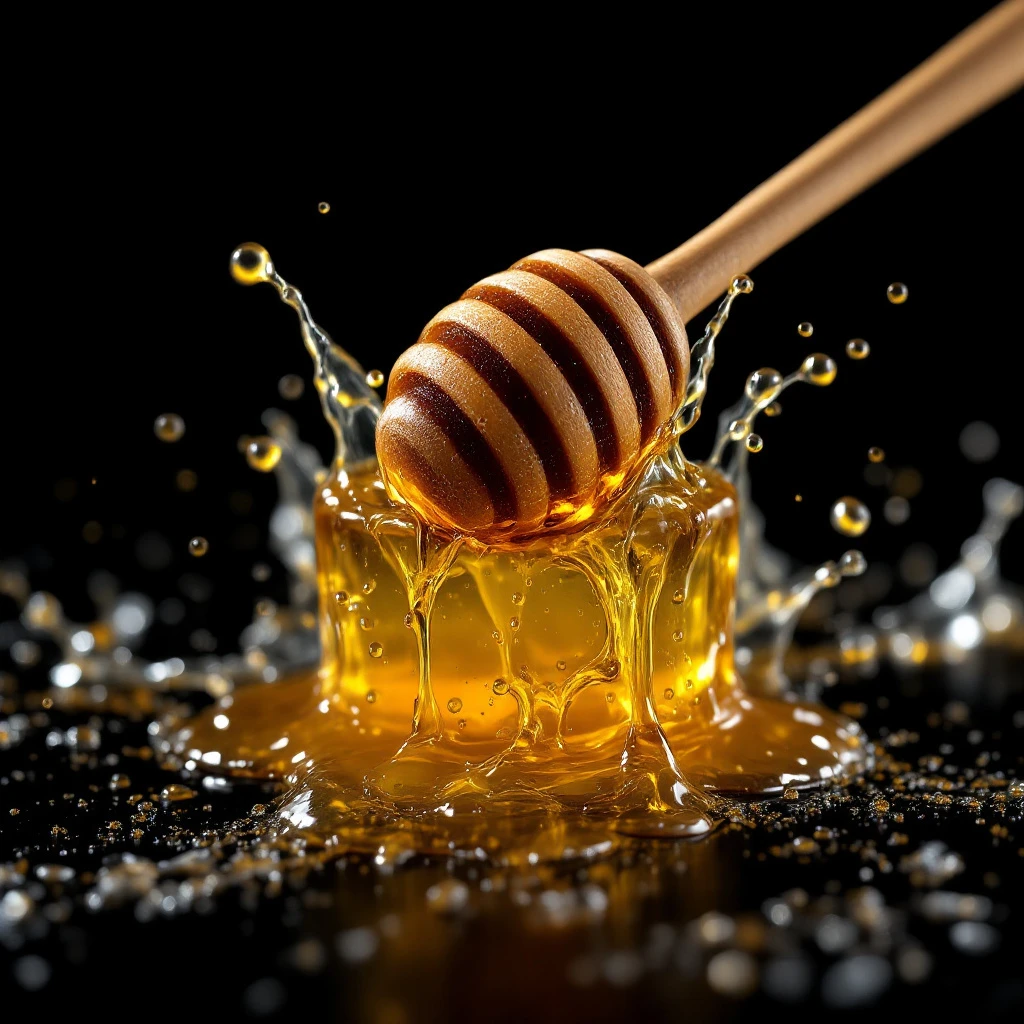
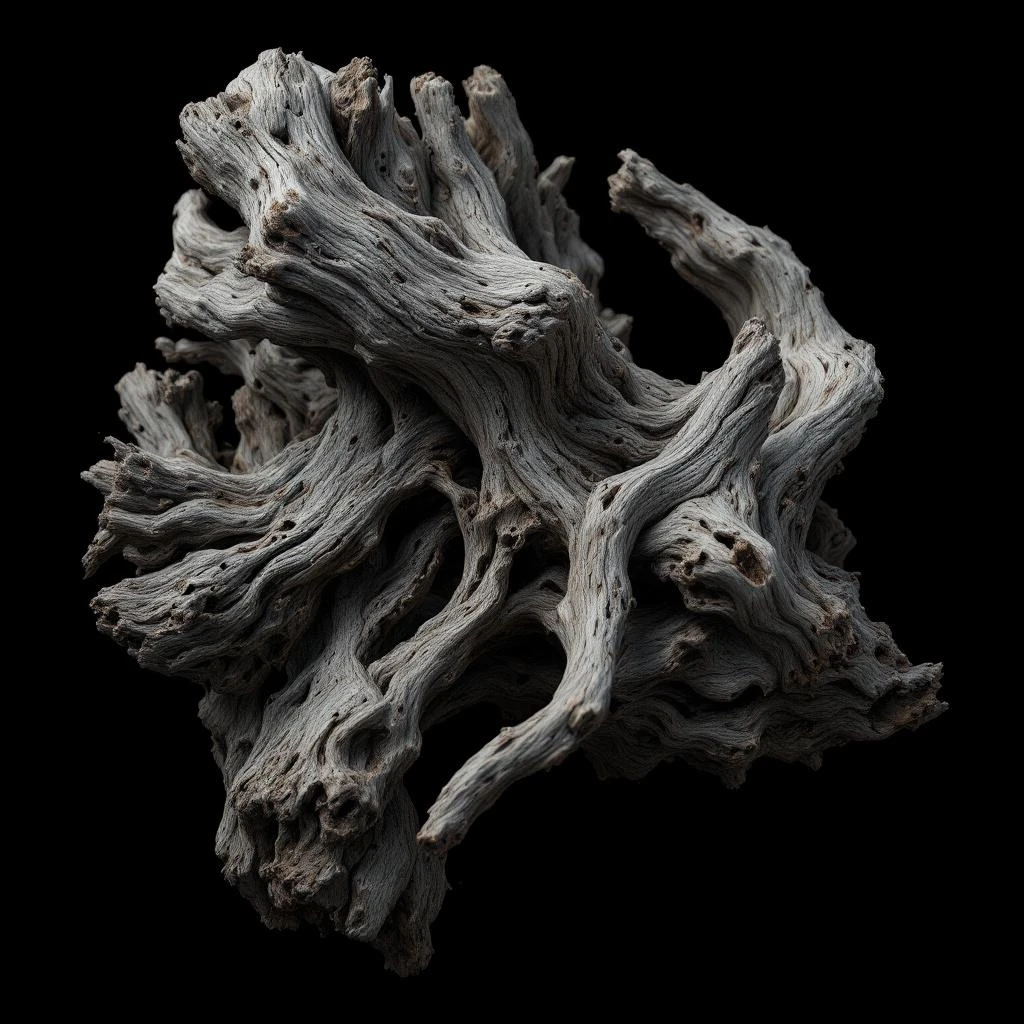
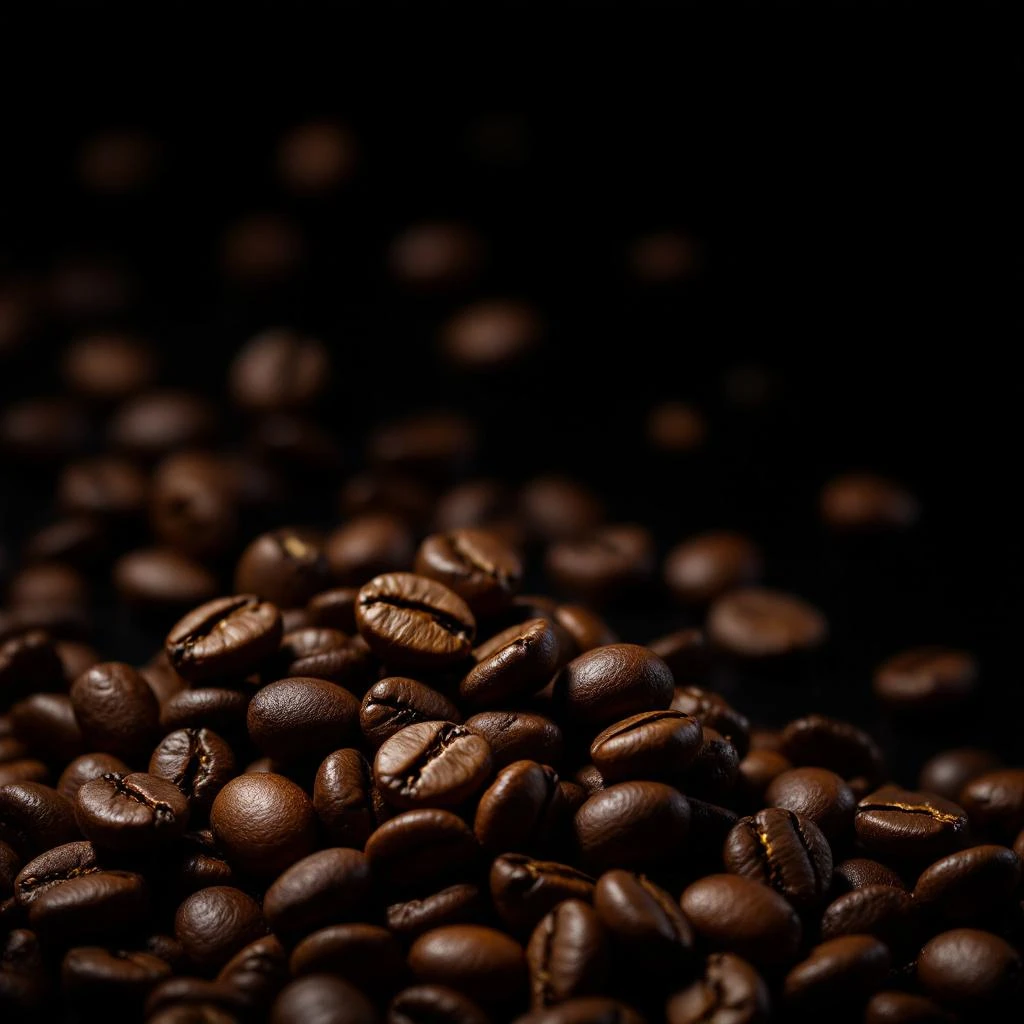
Rich, dark, and complex. Black honey brings a sticky-amber warmth with fermented, slightly animalic undertones that set it apart from lighter floral honey notes. A base material that anchors compositions with depth and ancient resonance.
Character
How it smells
Ancient amber sweetness, dark and magnetic.
The oldest known beekeeping apiary dates to 900 BCE, discovered in Israel, proving humans have prized dark honey for millennia.




Origin
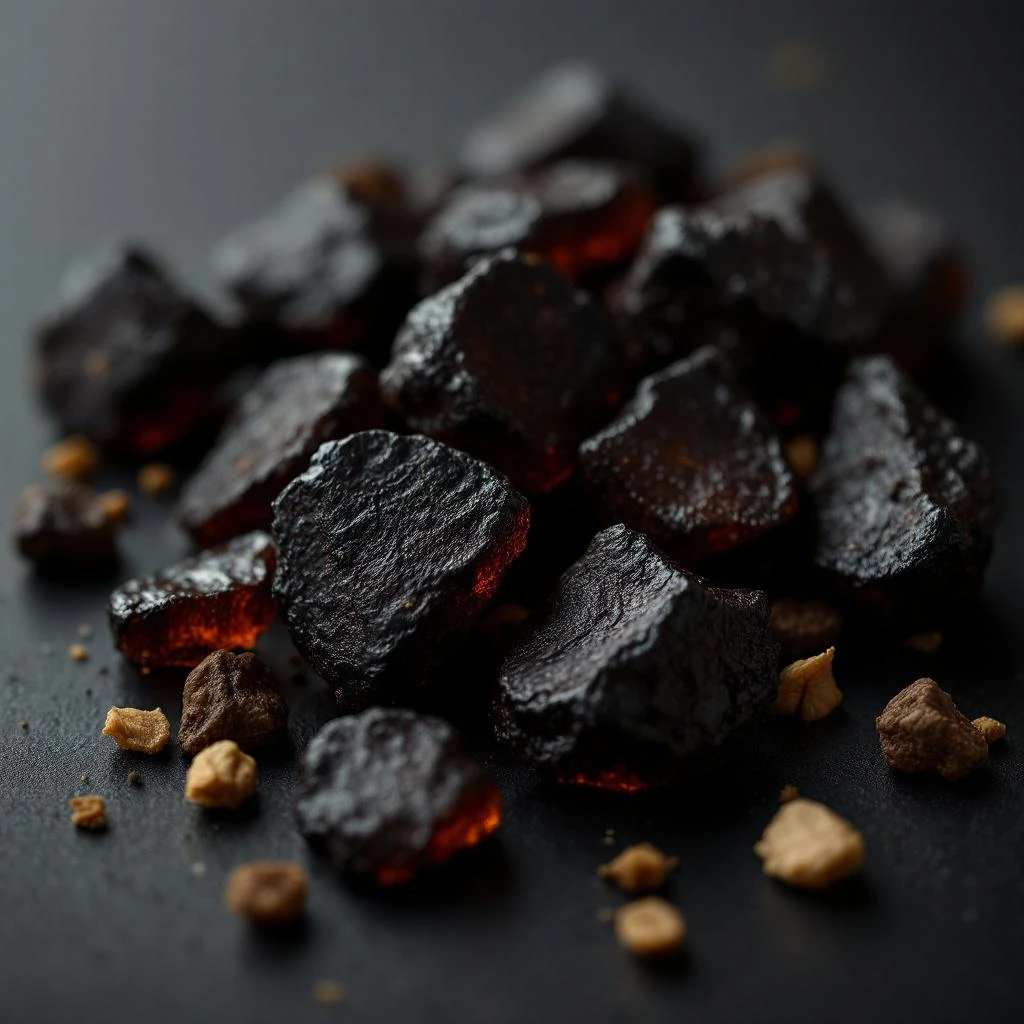
Greece
Honey ranks among the oldest perfume ingredients in human history. Ancient Egyptians incorporated honey into sacred unguents and mummification balms, while tomb paintings from 4,000 years ago depict bee-keeping along the Nile. Greek perfumers elevated honey as a fixative and sweetener in complex fragrance blends, and Roman luxury culture spread honey-based pomades across the Mediterranean.
The Persians and Arabs later refined maceration techniques using honey-infused oils in ritual and cosmetic applications. Throughout antiquity, darker and more fermented honey varieties commanded particular reverence for their intensity and rarity, giving rise to what we now call black honey in modern perfumery.
Wears it best
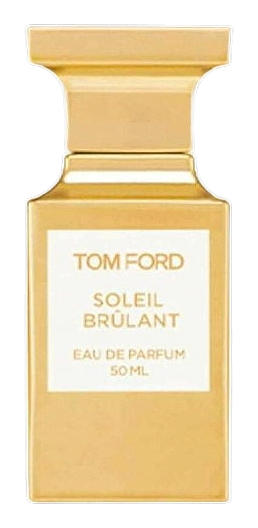
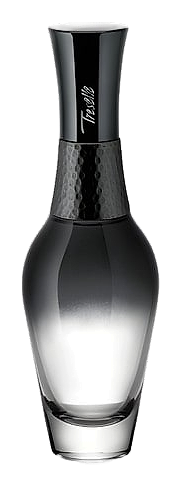
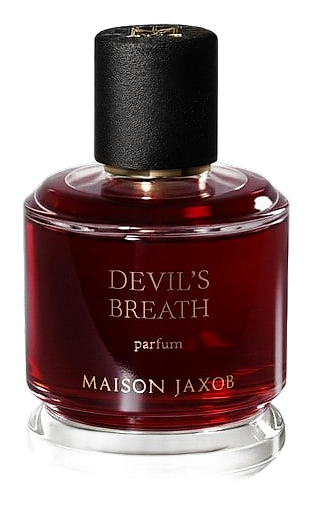
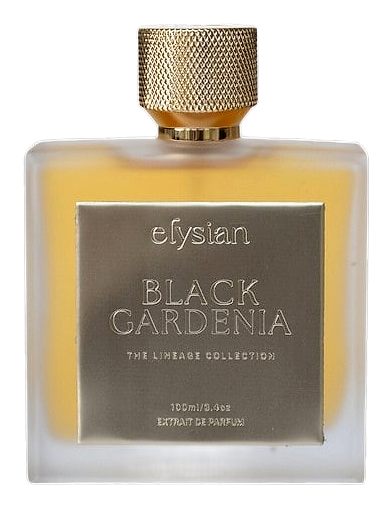
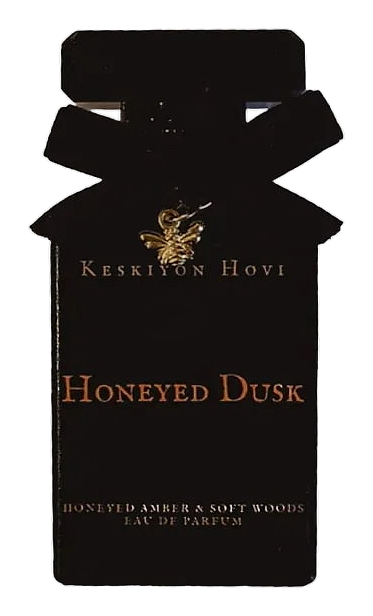
Fragrances featuring Black honey
Brands
Brands known for Black honey
Good to know
Questions, answered
The essentials on Black honey in perfumery: how it smells, where it comes from, and how it behaves on skin.
What is black honey in perfumery?
Black honey is a rich, dark beeswax absolute obtained after honey extraction. It carries deep amber warmth with fermented, slightly animalic undertones. Perfumers use it as a base note to add density, warmth, and a primal honey character that lighter floral honey notes cannot achieve.
How is black honey different from regular honey?
Regular culinary honey is sweet and floral, harvested directly from hives. Black honey absolute is a concentrated beeswax extract produced through solvent processing. The result is a darker, more complex material with leathery and animalic facets that serve fragrance composition rather than taste.
Where does black honey originate?
Beekeeping originated in the Mediterranean basin and Middle East over 4,000 years ago. Ancient Egyptian and Greek civilizations first used dark honey and beeswax in perfumery. Today, primary production regions include Greece, Turkey, and surrounding Mediterranean countries known for wildflower and dark honey varieties.
Is black honey natural or synthetic?
Black honey absolute is a natural material derived from beeswax using solvent extraction. However, the fragrance industry also creates synthetic black honey accords to provide consistent, cruelty-free alternatives that replicate the dark, warm profile of natural beeswax absolute.
What does black honey smell like?
Black honey carries a warm, sticky-amber sweetness with fermented and slightly animalic undertones. It has resinous depth and a faint leathery quality that sits close to the skin. These dark facets make it a grounding, sensual base note rather than a bright, floral honey.
What notes pair well with black honey in fragrance?
Black honey pairs well with warm woods like sandalwood and cedar, resins such as benzoin and labdanum, spices including cardamom and saffron, and animalic materials like civet or castoreum. These combinations amplify its dark, sensual character.
What extraction process creates black honey absolute?
After edible honey is extracted, remaining beeswax is treated with volatile solvents like hexane or ethanol. These dissolve aromatic compounds into a concrete, which is then filtered and the solvent removed, yielding a dark, viscous absolute with intense honey character.
How is black honey used in fine fragrance?
Black honey functions as a base note and fixative in fine fragrance. It adds warmth, depth, and staying power to oriental, amber, and chypre compositions. Typical usage concentrations range from 1 to 10 percent depending on desired intensity and the fragrance structure.