Black gardenia
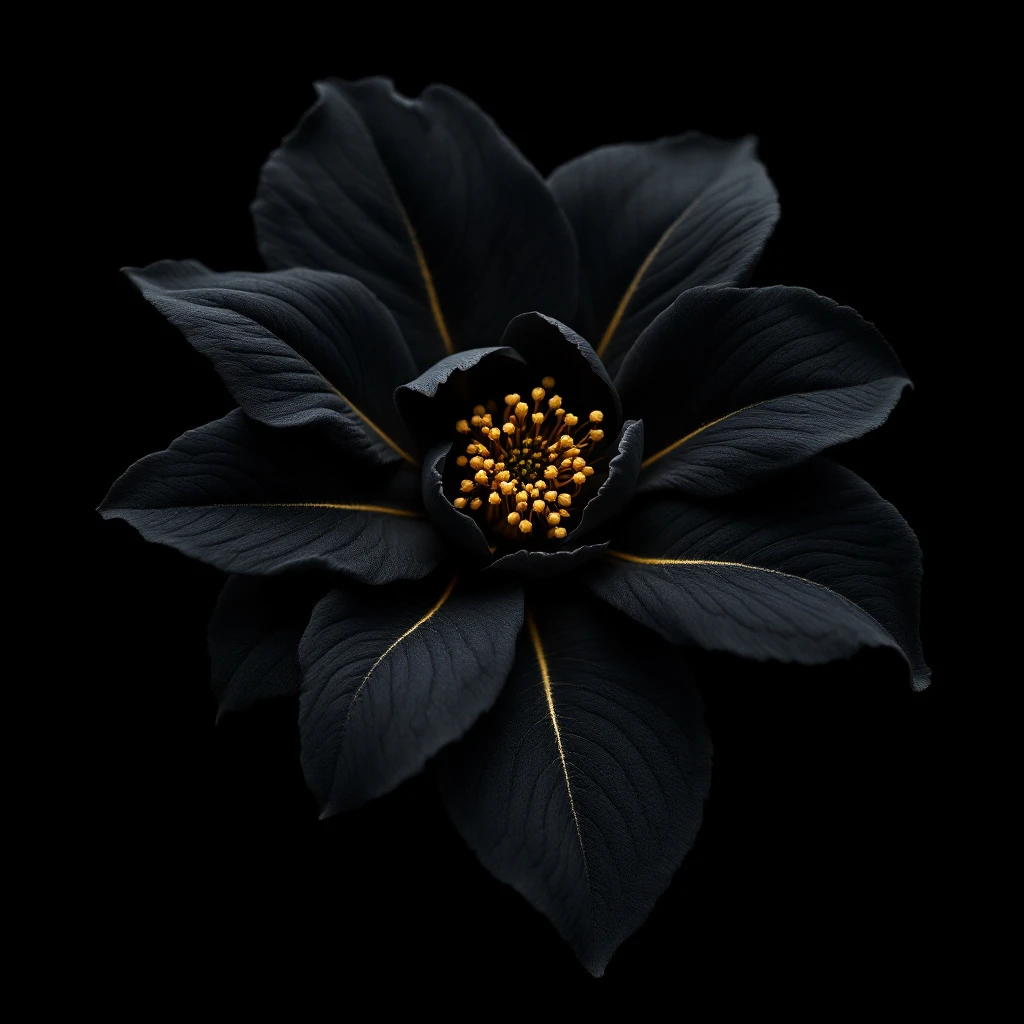
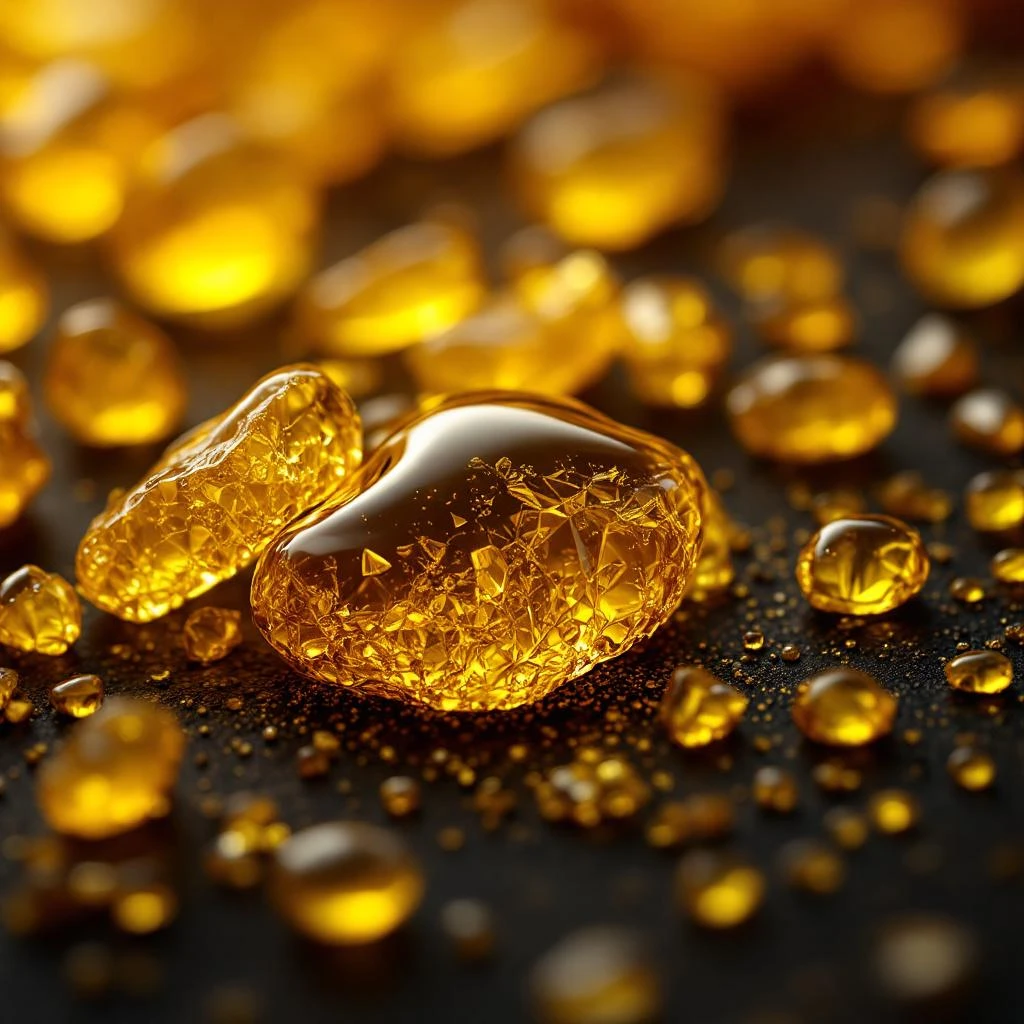
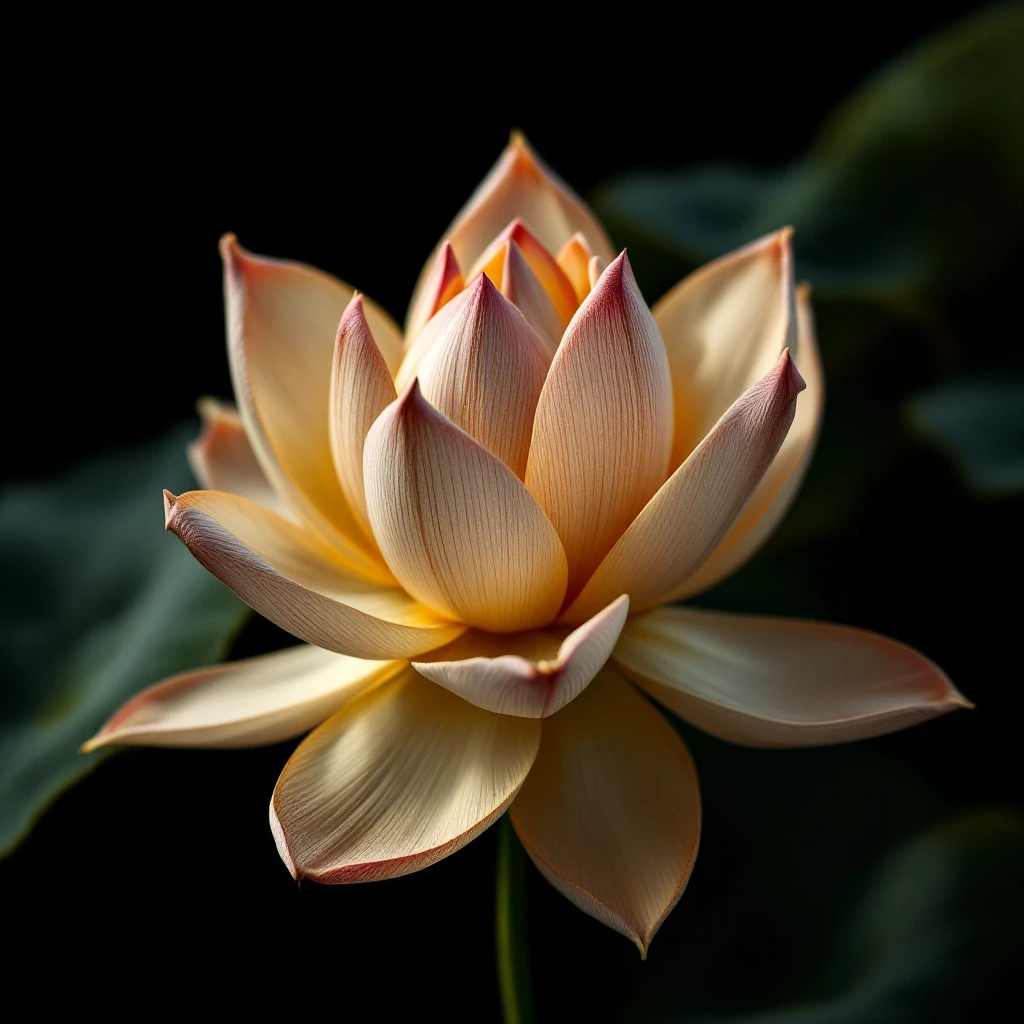
A deeper, more mysterious interpretation of the impossible flower. Gardenia reconstructed with darker facets—creamy blooms lifted by indolic depth and rich, sensual warmth that lingers on the skin.
Character
How it smells
The impossible flower, reimagined in shadow.
Gardenia cannot be extracted—every gardenia note in perfume is a reconstruction. Perfumers use styrallyl acetate and jasmine fractions to build this impossible bloom.




Origin
China
Gardenia arrived late to Western perfumery, following jasmine, rose, and violet. The flower had been used in ancient China for centuries—tea, incense, perfumes—but took time to reach European perfumers. Chanel's Gardénia, launched in 1925 and composed by Ernest Beaux (who also created Chanel No.
5), marked one of the first major Western fragrances centered on gardenia. The launch coincided with a perfumery challenge that persists today: gardenia cannot be extracted commercially. Early 20th-century perfumers worked with minimal amounts captured through enfleurage—a process where flowers rested on cooled fat to absorb their scent.
Colombian villagers in Fusagasugà maintained this tradition longest. The 1925 launch made gardenia synonymous with sophisticated femininity, yet perfumers have always had to reconstruct, never extract, this bloom. "Black gardenia" represents a contemporary evolution, pushing the reconstructed note toward darker, more complex territory while honoring the flower's rich history.
Wears it best
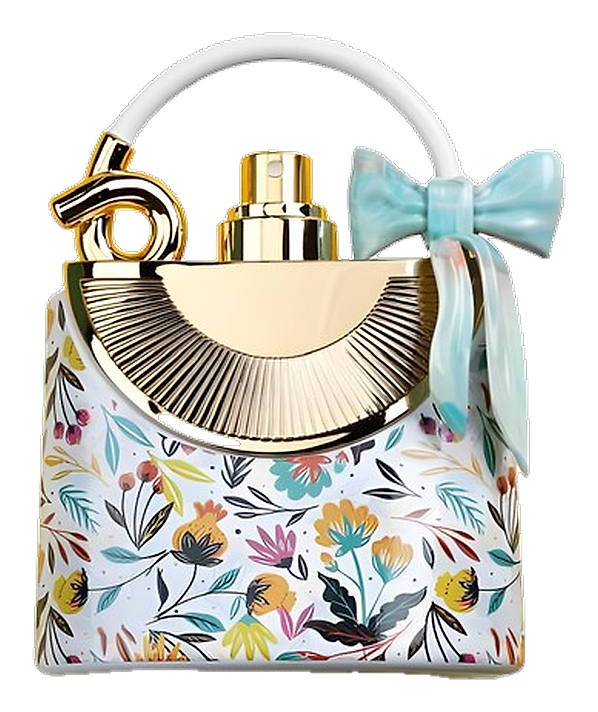
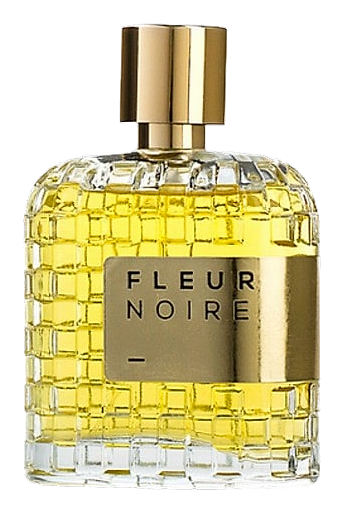
Fragrances featuring Black gardenia

Brands
Brands known for Black gardenia
Good to know
Questions, answered
The essentials on Black gardenia in perfumery: how it smells, where it comes from, and how it behaves on skin.
What is "black gardenia" in perfumery?
Black gardenia is a reconstructed gardenia note enhanced with darker aromatic materials. Perfumers amplify the indolic depth and add supporting compounds to create a moodier, more sensual interpretation of the classic white floral.
Why can't gardenia be extracted for perfume?
Gardenia yields no commercial essential oil because the flower contains too little aromatic material. Extracting one kilogram of concrete requires roughly 3,000 to 4,000 kilograms of blossoms. The flower's chemistry makes large-scale extraction impossible.
What gives gardenia its distinctive character?
Gardenia's scent combines creamy lactones, animalic indole, and green-spark notes from styrallyl acetate. This mix creates the waxy, intoxicating, slightly animalic character that perfumers work to reproduce synthetically.
When did gardenia first appear in Western perfumery?
Gardenia entered Western perfumery in the early 20th century. Chanel's Gardénia, launched in 1925 and composed by Ernest Beaux, became the landmark gardenia fragrance, predating most modern white floral perfumes.
How do perfumers create gardenia scent today?
Perfumers blend jasmine fractions for the floral base, lactones for creaminess, indole for depth, and styrallyl acetate for the green-spark note. Black gardenia amplifies indolic and darker elements to achieve its richer character.
How does black gardenia differ from regular gardenia?
Black gardenia emphasizes darker, more sensual facets. Perfumers amplify indole notes and add deeper supporting materials to create a richer, more mysterious character than lighter gardenia interpretations.
What is the historical origin of gardenia?
Gardenia originated in China, Japan, and Southeast Asia. Ancient Chinese perfumery used the flower for centuries in teas, incense, and perfumes before it became a Western perfumery staple in the 1920s.
Is natural gardenia oil used in modern perfumery?
Natural gardenia flower oil is scarcely produced today. Modern perfumery relies almost entirely on synthetic reconstruction using compounds like styrallyl acetate combined with natural aromatic materials.