Birch smoke
Few ingredients capture the primal character of fire quite like birch smoke. Its tarry, leather-like warmth has perfumed creations for centuries, lending an unmistakable edge that turns ordinary compositions into something untamed.
Character
How it smells
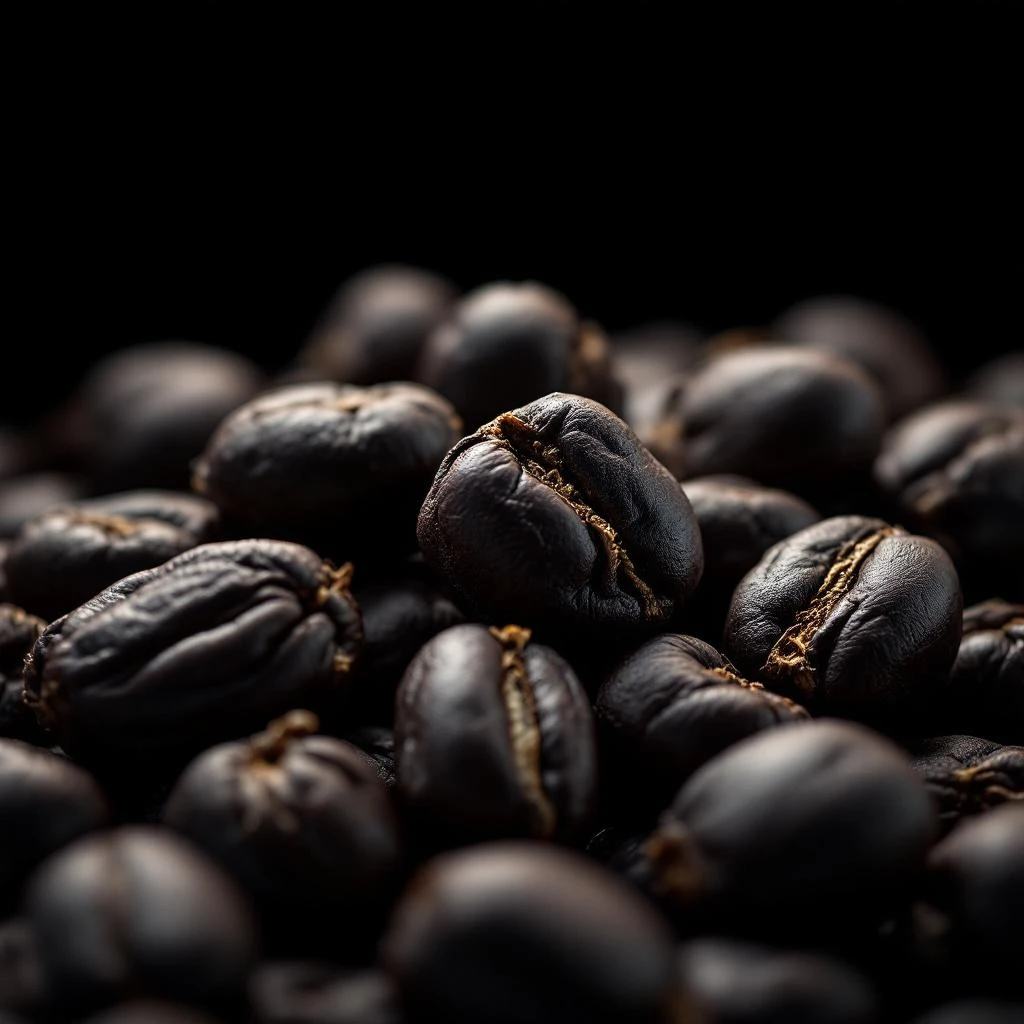
The primal warmth of crackling birch bark.
Before becoming a perfumery staple, birch tar served as an early form of insect repellent and waterproofing agent for boots across Scandinavia.





Origin
Russia
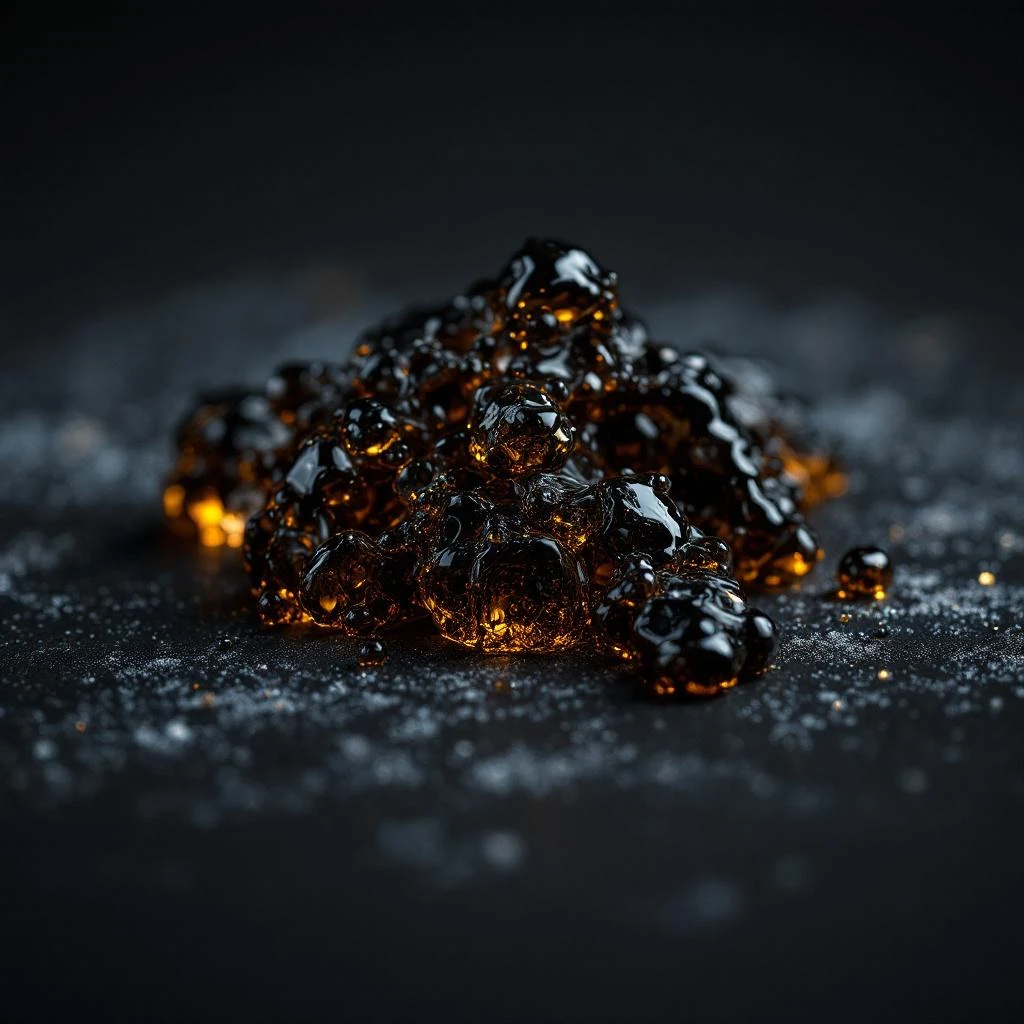
Birch tar has served human needs for thousands of years, long before it found a place in fragrance bottles. Ancient Nordic and Scandinavian cultures used it to waterproof boats, preserve leather, and protect themselves from biting insects. The same properties that made it practical for everyday survival also created the distinctive smoky aroma that would eventually captivate perfumers.
The Saami people of northern Scandinavia applied birch tar to their leather goods and footwear, unknowingly laying the groundwork for one of perfumery's most evocative materials. When perfumers began systematically cataloging aromatic ingredients in the 19th century, birch smoke emerged as an essential component for leather accords, a category that remains one of fragrance's most treasured and challenging families.
By the early 20th century, iconic leather fragrances relied heavily on birch tar to achieve their signature character. The material survived the swing toward synthetic ingredients, maintaining its place in the perfumer's palette because no laboratory-created molecule fully replicates its complexity. Today it appears in compositions ranging from rugged masculine releases to unexpected gender-fluid creations, carrying centuries of human interaction with fire and wood into modern scent design.
Wears it best
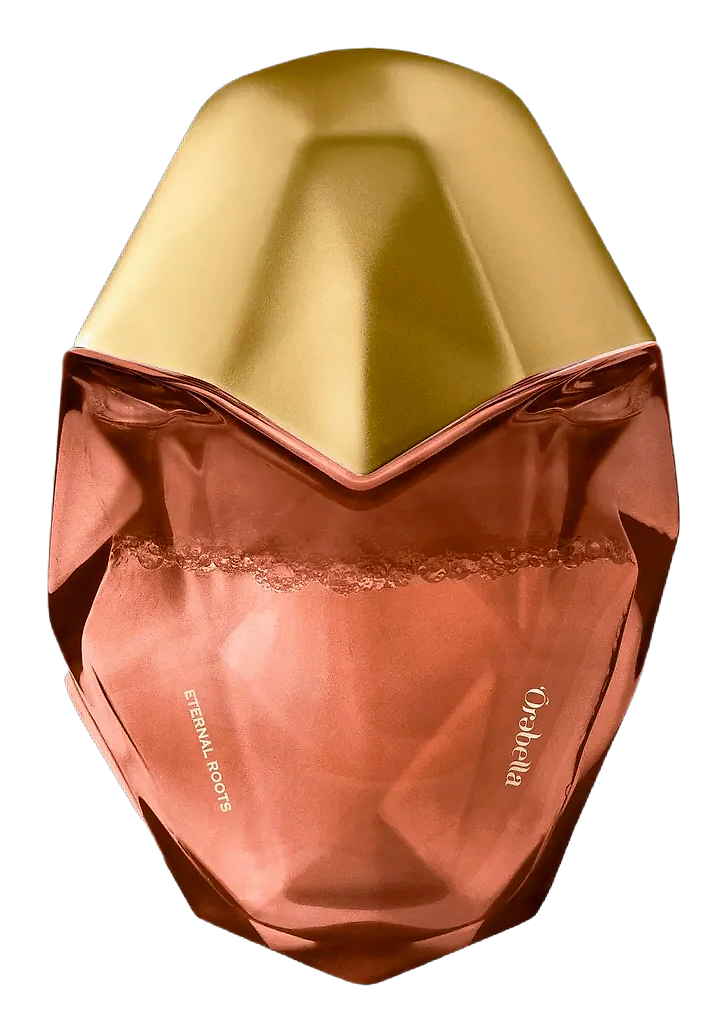
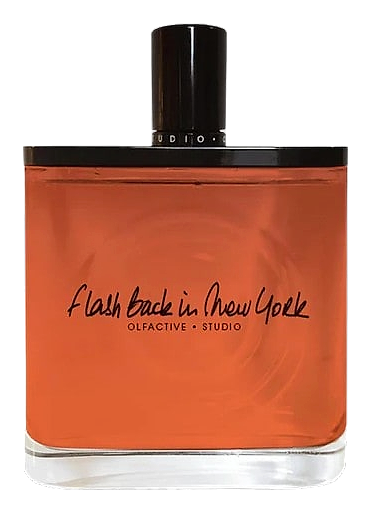
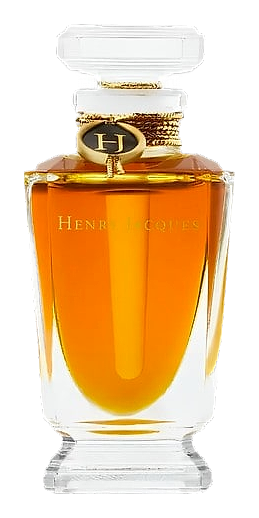
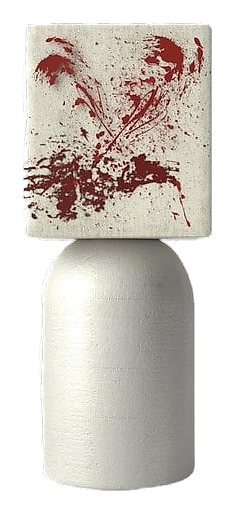
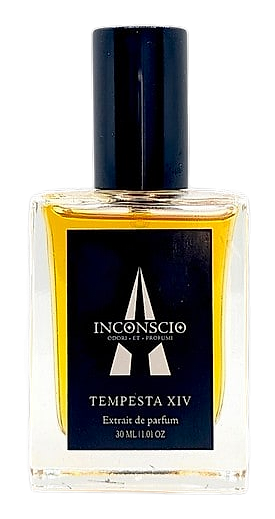
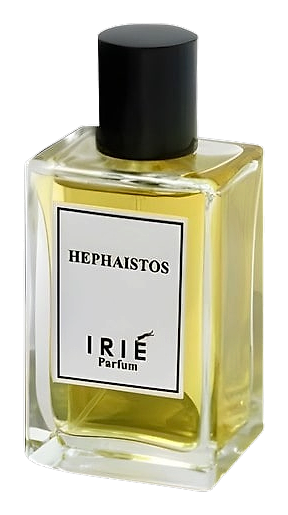
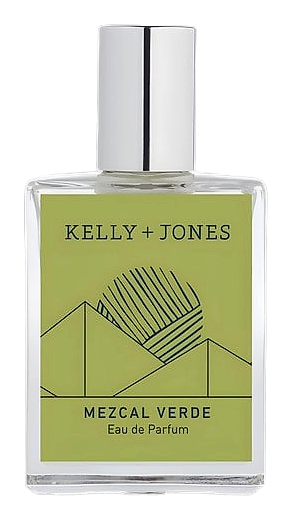
Fragrances featuring Birch smoke
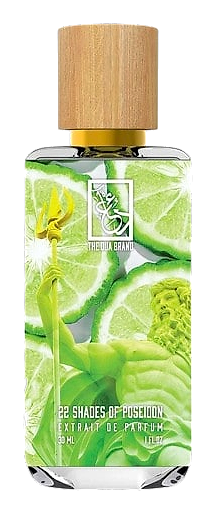
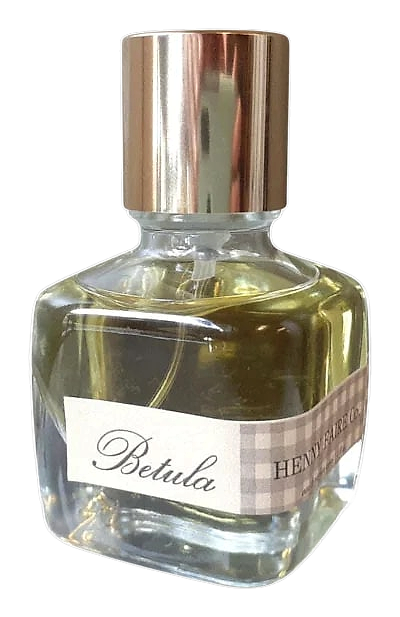
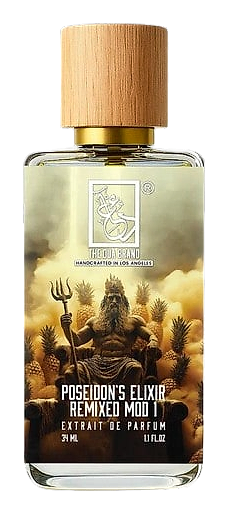
Brands
Brands known for Birch smoke
Good to know
Questions, answered
The essentials on Birch smoke in perfumery: how it smells, where it comes from, and how it behaves on skin.
What does birch smoke smell like?
Birch smoke delivers a warm, leathery character with tarry depth and subtle medicinal undertones. The scent evokes charred wood and smoked leather without the harshness of other smoke materials.
How is birch smoke produced for perfumery?
Producers heat birch bark in low-oxygen conditions through destructive distillation. This process decomposes the bark rather than burning it, releasing aromatic compounds that condense into birch tar oil.
Which birch species are used in fragrance production?
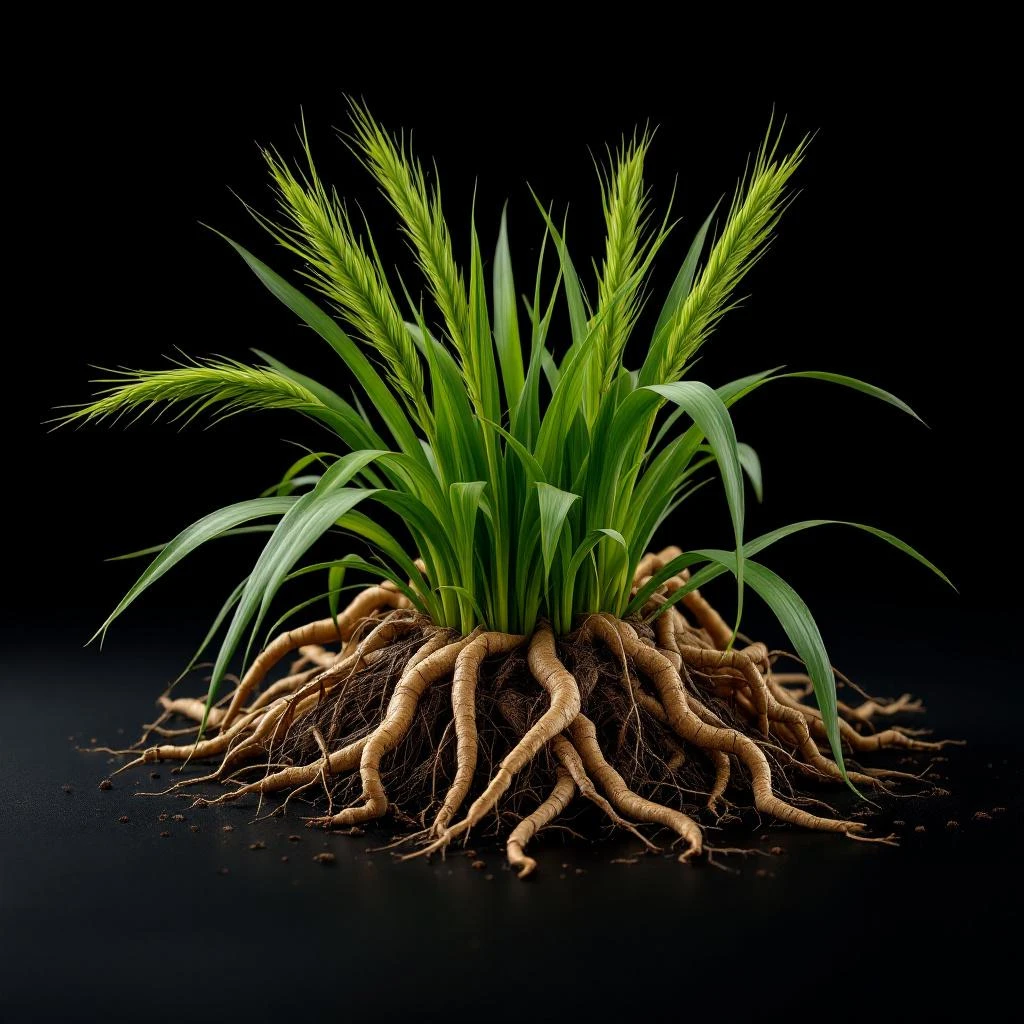
Perfumers primarily source from Betula pendula, known as silver birch, and Betula papyrifera, called paper birch. Both species grow extensively across Russia and Northern Europe.
Is birch smoke a natural or synthetic ingredient?
Birch smoke is a natural material obtained through traditional destructive distillation methods. Synthetic alternatives exist but generally lack the complexity of naturally derived birch tar oil.
What fragrances feature birch smoke prominently?
Birch smoke appears in numerous leather-focused fragrances. It also shows up in smoky, woody, and masculine compositions as a base note that adds depth and rugged character.
How should birch smoke materials be stored?
Store birch tar oil in a cool, dark environment in tightly sealed containers. The material remains stable for years when properly protected from light and temperature fluctuations.
Are there regulations around using birch smoke in perfume?
Birch tar oil complies with IFRA standards and is approved for cosmetic use across major markets. Naturally derived variants command higher prices than synthetic reproductions.
What percentage of a fragrance formula typically contains birch smoke?
Perfumers typically use birch smoke at low concentrations, usually between 0.5 and 3 percent of the total formula. The material is potent and requires careful dilution in the base note phase.