Birch Bud
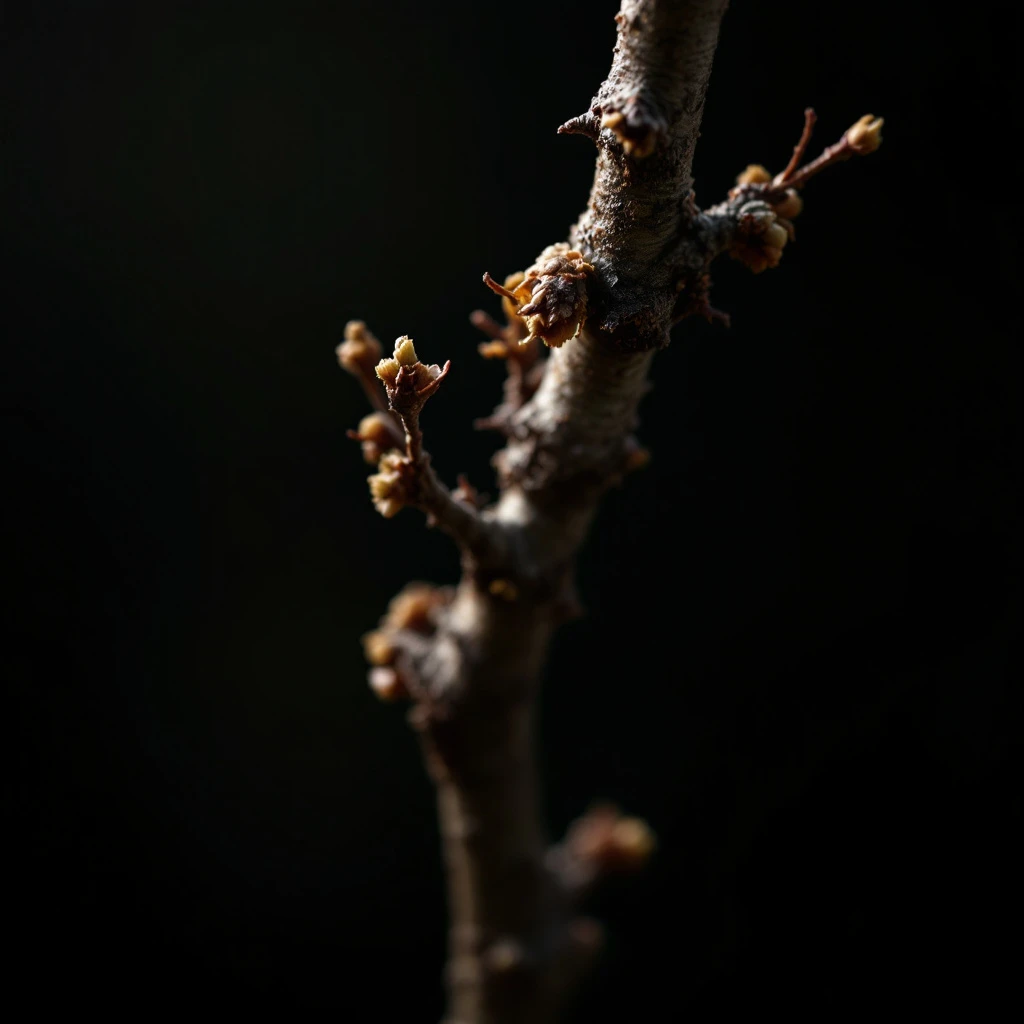
Birch bud absolute captures the crisp, green character of awakening forests. Distilled from unopened buds of the silver birch, it delivers a sharp woody-leather aroma prized in chypre and fougère compositions.
Character
How it smells
Forest awakening in a single drop
Birch bud oil is so dense it sometimes requires warm solvents or vacuum distillation to fully capture its aromatic compounds.
Pairs beautifully with
Origin
Russia
Birch has held a place in Northern European life for centuries, valued for its tar, sap, and aromatic bark. Long before it entered perfumery, rural communities in Scandinavia, Russia, and the Baltic regions used birch buds in folk medicine and rituals. Tinctures treated skin ailments and joint pain, while the fresh buds scented saunas and bathhouses with their penetrating green resin.
The leap into fragrance came in the 20th century as perfumers searched for natural chypre materials with pronounced leather and forest character. Russian perfumers were among the first to isolate birch bud absolute commercially, capitalizing on the vast Betula forests of the taiga. By the 1950s and 1960s, the ingredient had crossed into French and Italian perfumery, where it became a quiet backbone for masculine fougères and mossy compositions.
Birch bud absolute anchored many green and woody launches of the late 20th century, lending the unmistakable bite of crushed leaves and damp bark. Its scarcity and labor-intensive harvest kept production modest, so synthetic alternatives like betulin and birch tar distillates often supplemented demand. Today, sustainably managed Nordic forests supply most authentic material, keeping a centuries-old craft alive.
Wears it best
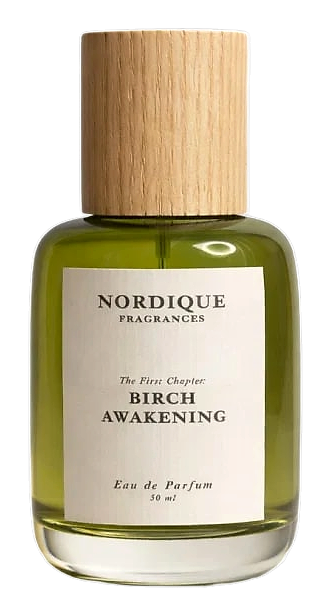
Fragrances featuring Birch Bud
Brands
Brands known for Birch Bud
Good to know
Questions, answered
The essentials on Birch Bud in perfumery: how it smells, where it comes from, and how it behaves on skin.
What does birch bud smell like?
Birch bud absolute smells sharply green and woody, with crushed leaf, damp bark, and a hint of leather or black pepper. Many describe it as the scent of a forest in early spring, just before bud break releases the new growth.
Is birch bud the same as birch tar?
No. Birch bud absolute comes from solvent extraction of unopened buds and smells green and woody. Birch tar is made by dry-distilling bark and smells smoky, leathery, and phenolic. Both belong to the birch family but serve different roles.
Why is birch bud expensive?
Birch bud yields are extremely low, typically under 1 percent absolute by weight, and buds must be hand-harvested in late winter. Skilled labor and limited supply keep the price premium among natural perfumery materials.
Which perfumes use birch bud?
Birch bud has appeared in classic green and fougère compositions from French and Russian houses. It often supports leather, mossy, and forest-style fragrances where perfumers want authentic woody-green depth.
Where is birch bud harvested?
Most commercial birch bud absolute is sourced from Russia, Finland, and the Baltic states, where Betula pendula and Betula pubescens grow in cold climates that concentrate the buds' aromatic resin.
Can birch bud oil cause skin reactions?
Like most natural absolutes, birch bud can sensitize some skin types. Standard IFRA dilution limits apply, and patch testing is recommended before concentrated use on sensitive individuals.
What perfume families use birch bud?
Birch bud absolute fits chypre, fougère, leather, and woody-green families. Its sharp forest character adds lift to masculine structures and bridges fresh top notes with mossy or ambery bases.
Is there a synthetic version of birch bud?
Yes. Synthetic aroma chemicals such as betulin derivatives and specialty green-woody molecules approximate birch bud's profile. Naturals remain preferred for authenticity, but synthetics offer consistent and cost-effective alternatives.




