Bergamot Blossom
Bergamot, the luminous citrus that opens more fragrances than any other ingredient, hails from a narrow strip of Calabrian coastline where unique terroir shapes its signature scent.

Character
How it smells
The citrus that defines modern perfumery.
Bergamot tree flowers bloom twice yearly, yet the fruit is harvested only once in winter when it reaches peak aromatic complexity.





Origin
Italy
The bergamot tree (Citrus bergamia) carries uncertain origins, with botanical evidence suggesting Southeast Asian beginnings before centuries of cultivation in the Mediterranean. Calabrian growers, however, transformed this citrus into something distinctive, cultivating it along a narrow coastal strip for roughly 600 years. The region between Reggio Calabria and the town of Reggio created ideal growing conditions that produced a bergamot with unique aromatic properties unlike any other citrus.
Jean-Marie Farina recognized this when he formulated the original Eau de Cologne around 1709, placing bergamot at the heart of what would become the most influential fragrance formulation in history. The formula's citrus-forward approach, built on Calabrian bergamot, defined清香 perfumery for generations and established the template for modern fragrance construction. By the 19th century, bergamot had become indispensable to the perfume industry, its bright opening note virtually synonymous with fresh, approachable fragrance design.
Today, Calabria remains the world's primary source, producing over 90% of global supply, though small quantities now come from southern France and the Ivory Coast as cultivation expands beyond its traditional home.
Wears it best
Fragrances featuring Bergamot Blossom
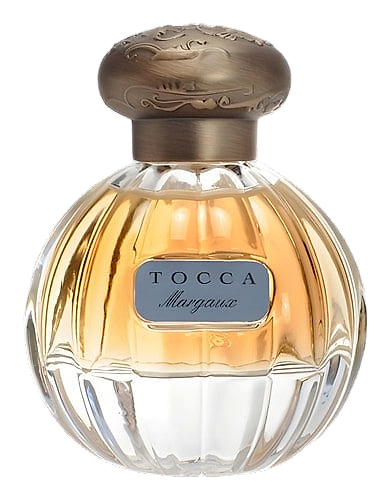
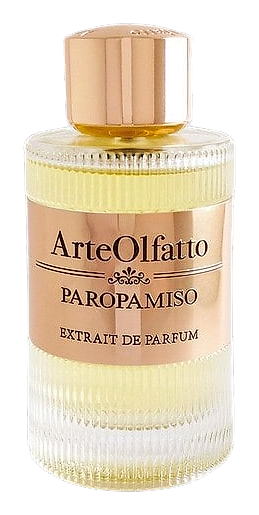
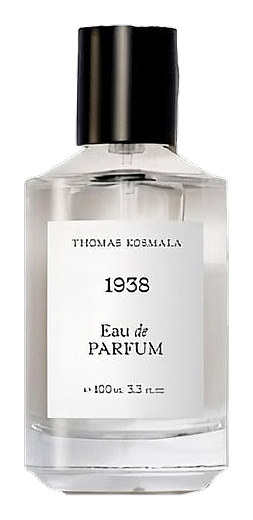

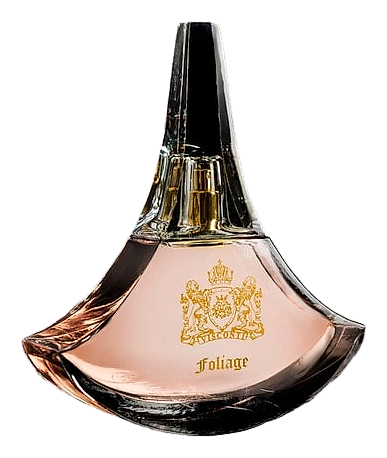
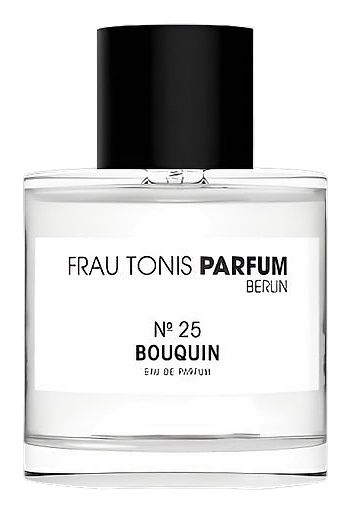
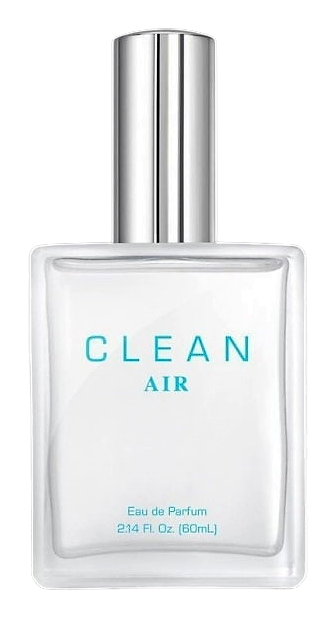

Brands
Brands known for Bergamot Blossom
Good to know
Questions, answered
The essentials on Bergamot Blossom in perfumery: how it smells, where it comes from, and how it behaves on skin.
What makes Calabrian bergamot superior for perfumery?
The Calabrian coast between Reggio and Scilla produces bergamot with a distinctly floral, almost honeyed character that growers in France or Ivory Coast have not replicated. The region's specific combination of coastal humidity, sunlight hours, and mineral-rich soil creates a terroir effect that perfumers prize.
Why does bergamot function as a top note in nearly all fragrances?
Bergamot provides an immediate, recognizable freshness that welcomes the wearer while smoothing the transition to heart and base notes. Its balanced citrus profile with subtle floral facets makes it versatile enough to complement florals, woods, and oriental compositions equally.
Is natural bergamot oil phototoxic?
Bergapten, a compound naturally present in cold-pressed bergamot oil, can cause skin photosensitivity when applied before sun exposure. EU cosmetics regulations limit bergapten content in skin products, though perfumers continue using bergamot in responsible concentrations.
What gives bergamot its distinctive scent profile?
Limonene provides the bright citrus foundation while linalool adds subtle floral sweetness. Neryl acetate contributes a romantic, slightly fruity facet that distinguishes bergamot from sharper citrus oils like lemon or grapefruit.
How has bergamot shaped the fragrance industry historically?
Jean-Marie Farina's 1709 Eau de Cologne formula placed bergamot as its primary citrus component, establishing the bright, refreshing style that dominated perfumery for three centuries and created the template for modern fragrances.
Can bergamot be synthetically replicated?
Synthetic aroma chemicals approximate bergamot's citrus qualities, but no artificial replication captures the complete natural profile. The complex interaction between dozens of compounds in natural bergamot oil produces nuances that synthetic versions consistently miss.
What seasonal variations affect bergamot oil quality?
Bergamot reaches peak aromatic maturity in winter during the December-to-February harvest. Fruit harvested too early or too late produces oil with altered compound ratios, affecting both scent quality and fragrance performance.
How should bergamot oil be stored?
Bergamot oil oxidizes rapidly when exposed to air and light, degrading its aromatic quality within months. Perfumers store it in sealed, dark glass containers in cool environments to preserve its bright, fresh character for fragrance production.