Belambre
Belambre is a modern synthetic amber-woody aromachemical developed by IFF as a non-steroidal alternative to traditional amber materials. With CAS 188199-50-0, it delivers a spicy woody character balanced by warm amber tonalities, offering perfumers a clean, sustainable option for creating depth and radiance without relying on animal-derived ambergris.
Character
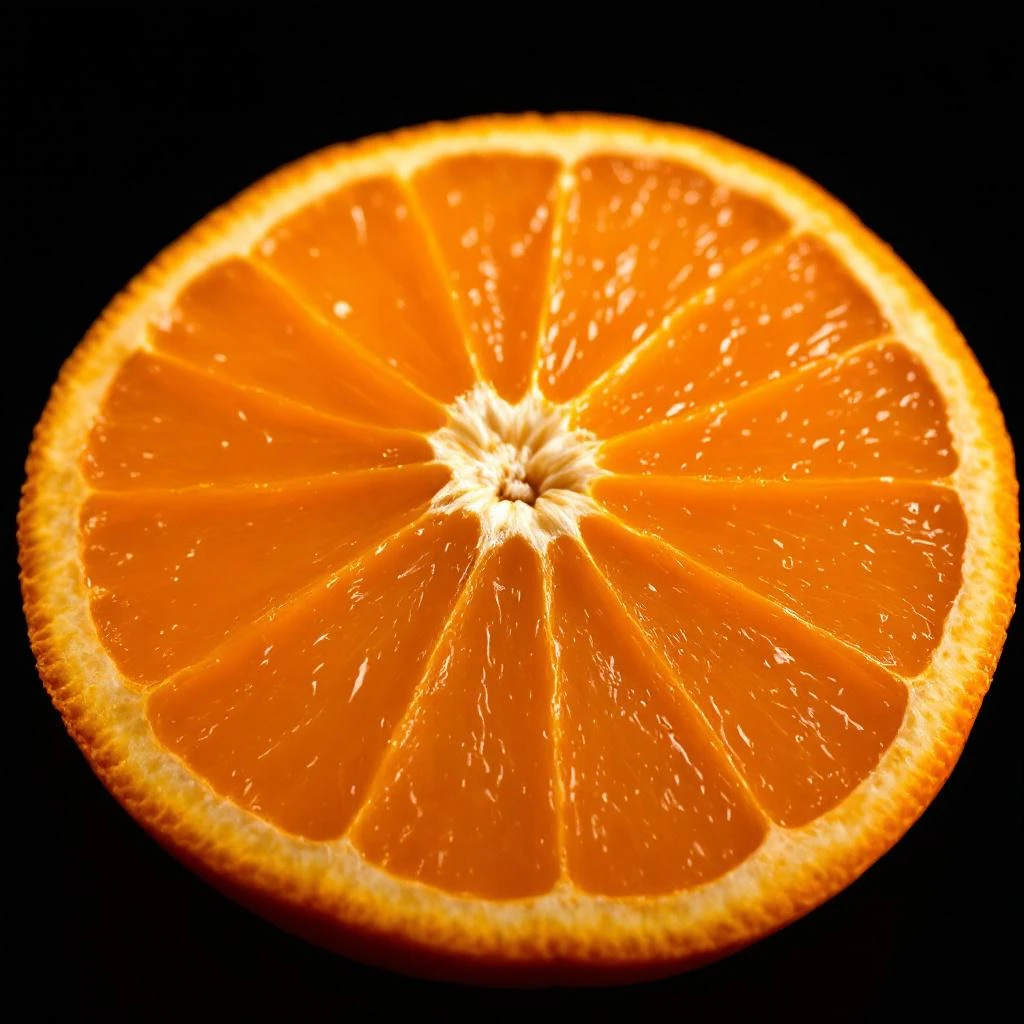
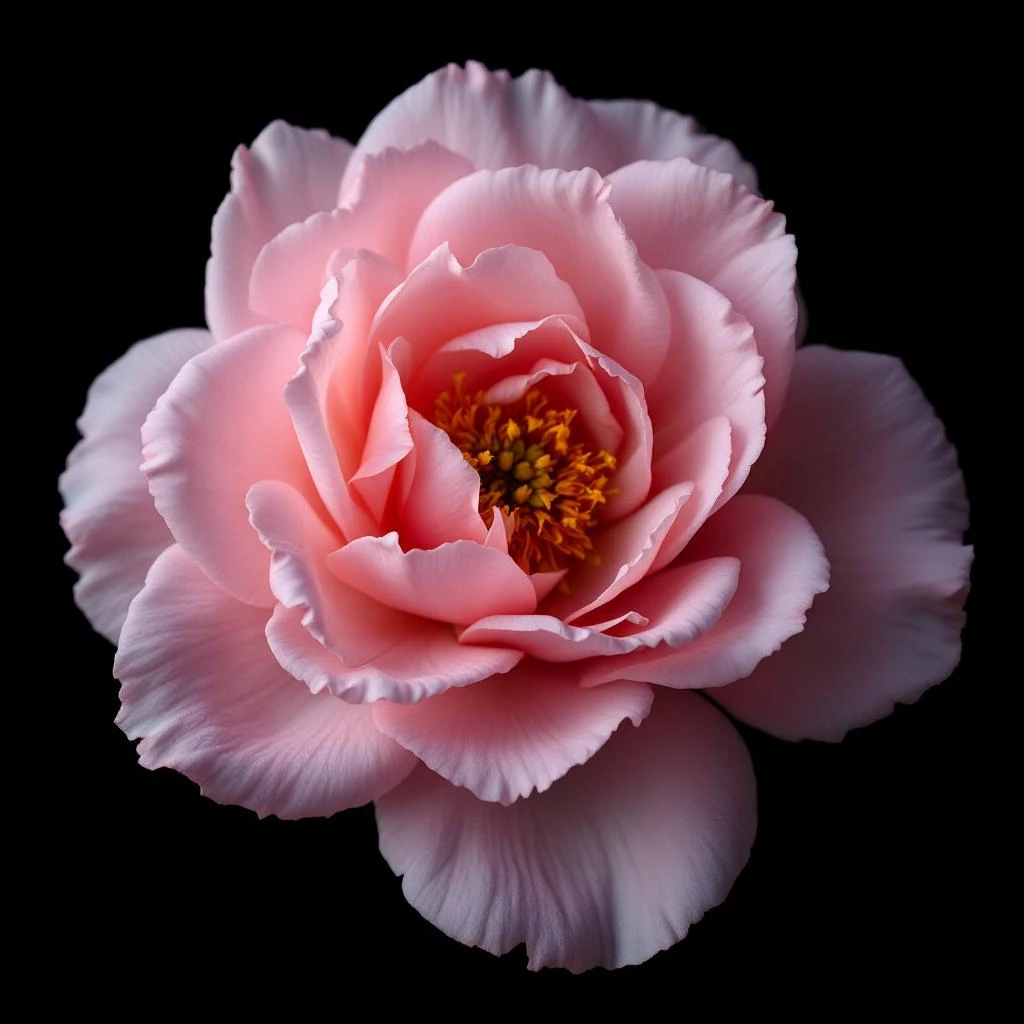
How it smells
The synthetic amber that reimagines warmth for modern perfumery
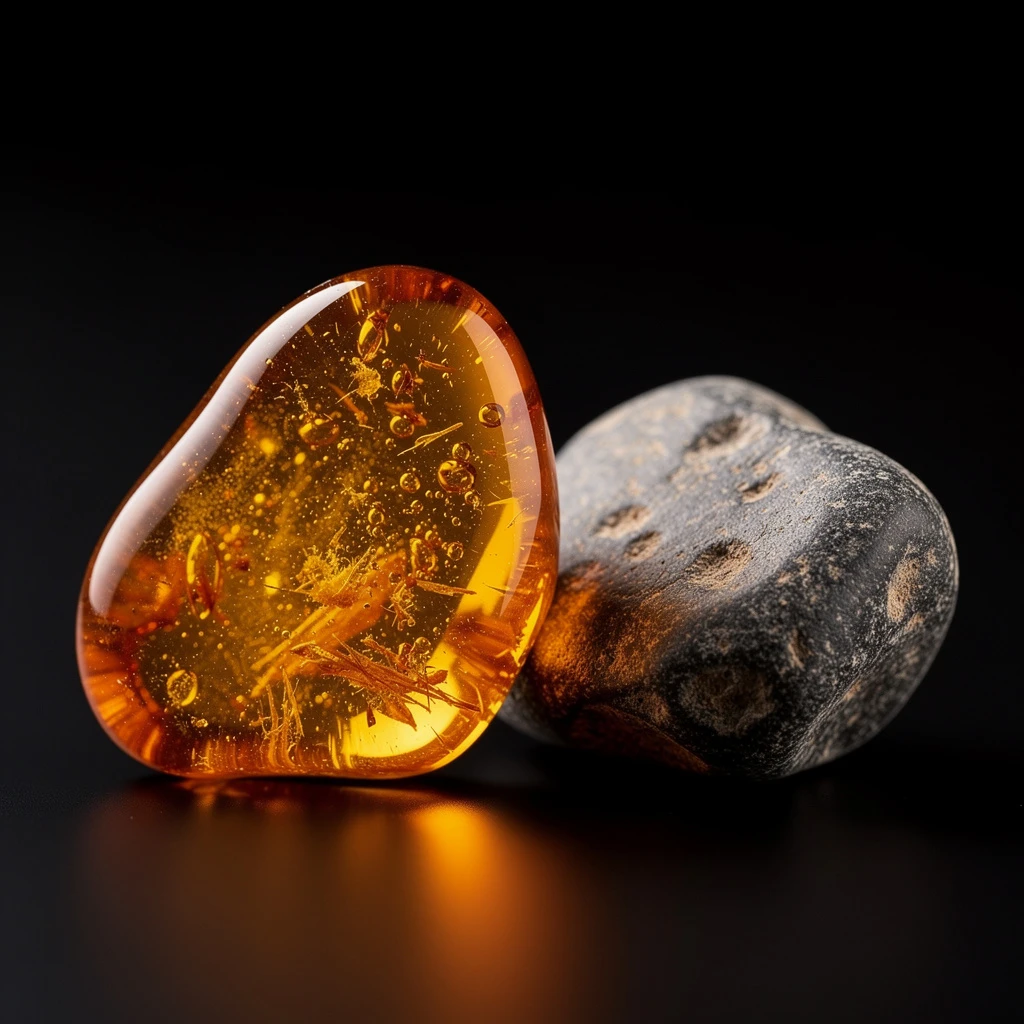
Belambre belongs to a family of modern amber molecules developed as sustainable alternatives to ambergris, alongside Karanal, Spirambrene, and Ysamber K.

History
The story
The development of Belambre emerged from the fragrance industry's ongoing quest to replicate the elusive warmth of ambergris without relying on animal-derived materials. For centuries, perfumers coveted ambergris, a substance produced in the digestive systems of sperm whales and found floating on ocean surfaces. By the late twentieth century, growing ethical concerns and supply instability drove intensive research into synthetic alternatives. Belambre joined a new generation of non-steroidal amber molecules developed during this period, alongside materials like Karanal, Spirambrene, and Ysamber K.
IFF introduced Belambre as part of their expanding palette of modern amber materials, positioning it as a cleaner, more sustainable option that avoids the complex supply chains and ethical questions surrounding natural ambergris. The molecule quickly gained traction among contemporary perfumers seeking to create warm, woody compositions with a contemporary edge. Its inclusion in 27 87 Genetic Bliss demonstrated its ability to anchor modern niche fragrances with a distinctive character that bridges traditional amber warmth and cutting-edge synthetic innovation. Today, Belambre represents the ongoing evolution of amber in perfumery, a testament to how molecular innovation can honor classical scent profiles while embracing ethical and sustainable practices.
Wears it best
Fragrances featuring Belambre
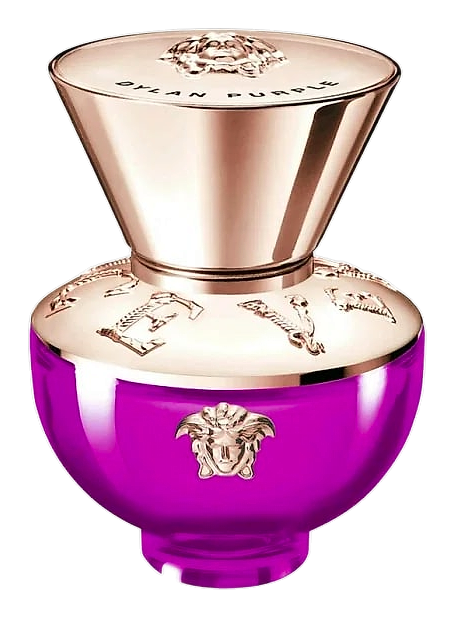
Good to know
Questions, answered
The essentials on Belambre in perfumery: how it smells, where it comes from, and how it behaves on skin.
What does Belambre smell like in perfume?
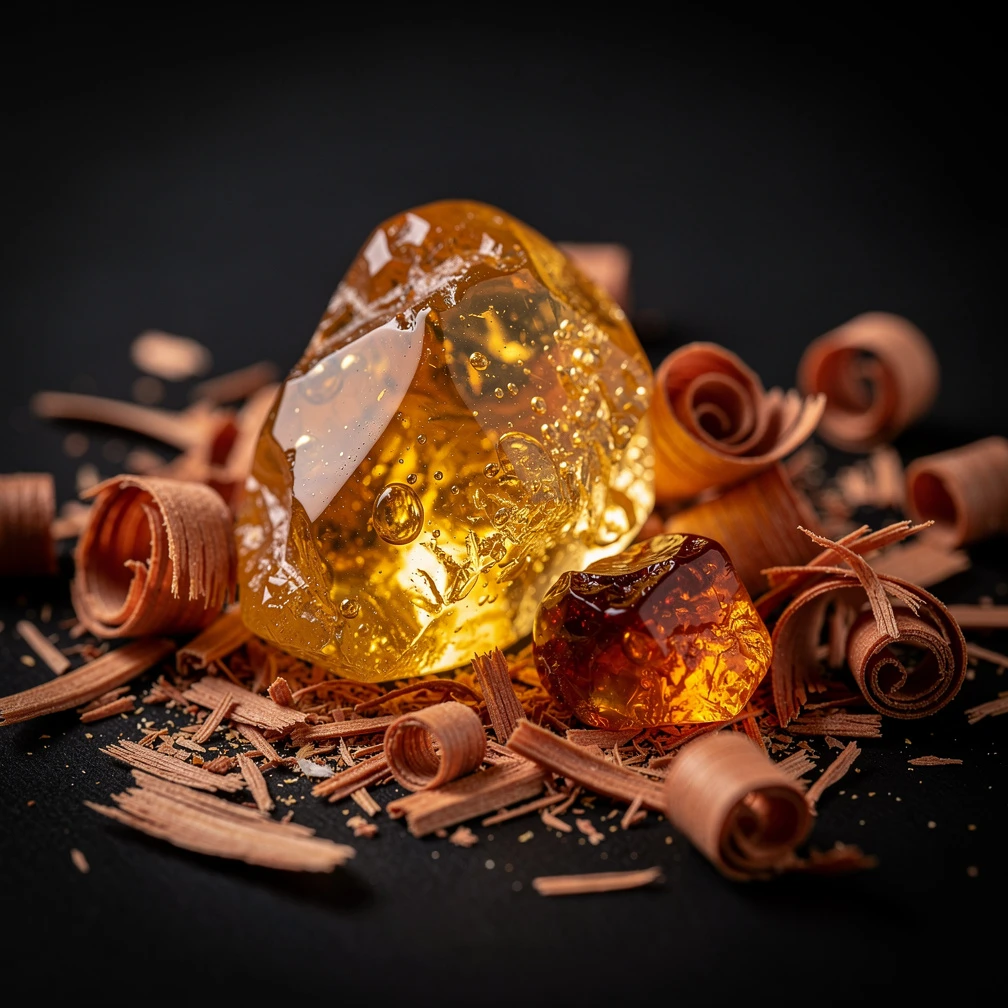
Belambre presents a spicy woody character with warm amber tonalities. It delivers a dry, resinous warmth that sits between cedar and traditional amber, offering a modern interpretation of ambergris without the marine or animalic facets. The molecule creates a smooth, diffusive warmth that works particularly well in woody and oriental compositions.
Why is Belambre used in perfumery?
Perfumers use Belambre as a sustainable, consistent alternative to natural ambergris. Developed by IFF, this non-steroidal amber molecule provides reliable warmth and depth without the ethical concerns or supply variability of animal-derived materials. It offers excellent stability and longevity in fragrance formulations.
Is Belambre in perfume natural or synthetic?
Belambre is purely synthetic, created through chemical synthesis in laboratory settings. With CAS number 188199-50-0 and molecular formula C16H28O2, it does not occur in nature. It belongs to a family of modern amber molecules developed specifically as alternatives to natural ambergris.
What famous perfumes contain Belambre?
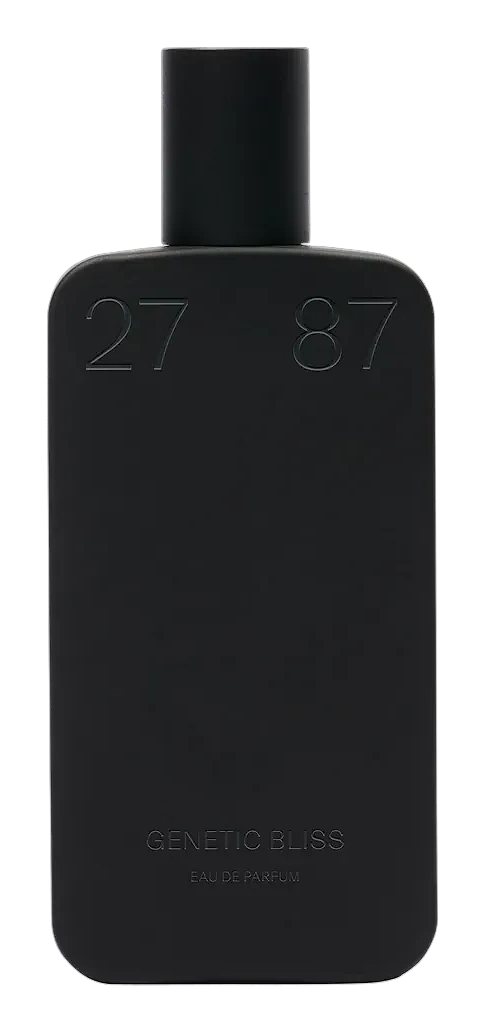
Belambre appears in 27 87 Genetic Bliss, a contemporary niche fragrance that showcases its warm, woody character. As a relatively modern material, it is increasingly found in niche and independent perfumery where innovative synthetic molecules are embraced for their unique olfactory signatures.
Is Belambre a top note, heart note, or base note?
Belambre functions primarily as a base note in perfumery. Its amber-woody character and molecular structure provide longevity and depth in the drydown phase of fragrances. It anchors compositions with lasting warmth that can persist on skin for many hours.
What notes pair well with Belambre in perfume?
Belambre pairs exceptionally well with cedar, sandalwood, and other woody notes. It complements spices like cardamom and pink pepper, enhances citrus top notes with warm contrast, and blends beautifully with musks and modern amber materials like Ambroxan for layered depth.
Where does Belambre come from?
Belambre originates from laboratory synthesis developed by International Flavors and Fragrances (IFF). Unlike natural ingredients derived from plants or animals, it is manufactured through controlled chemical processes, ensuring consistent quality and eliminating dependence on natural resource availability.
Is Belambre used in men's or women's fragrances?
Belambre appears in both men's and unisex fragrances. Its spicy woody character with amber warmth lends itself particularly well to masculine compositions, though its versatility allows perfumers to incorporate it across gender categories. The material's modern, clean profile appeals to contemporary unisex perfumery.