Basmati Milk Rice
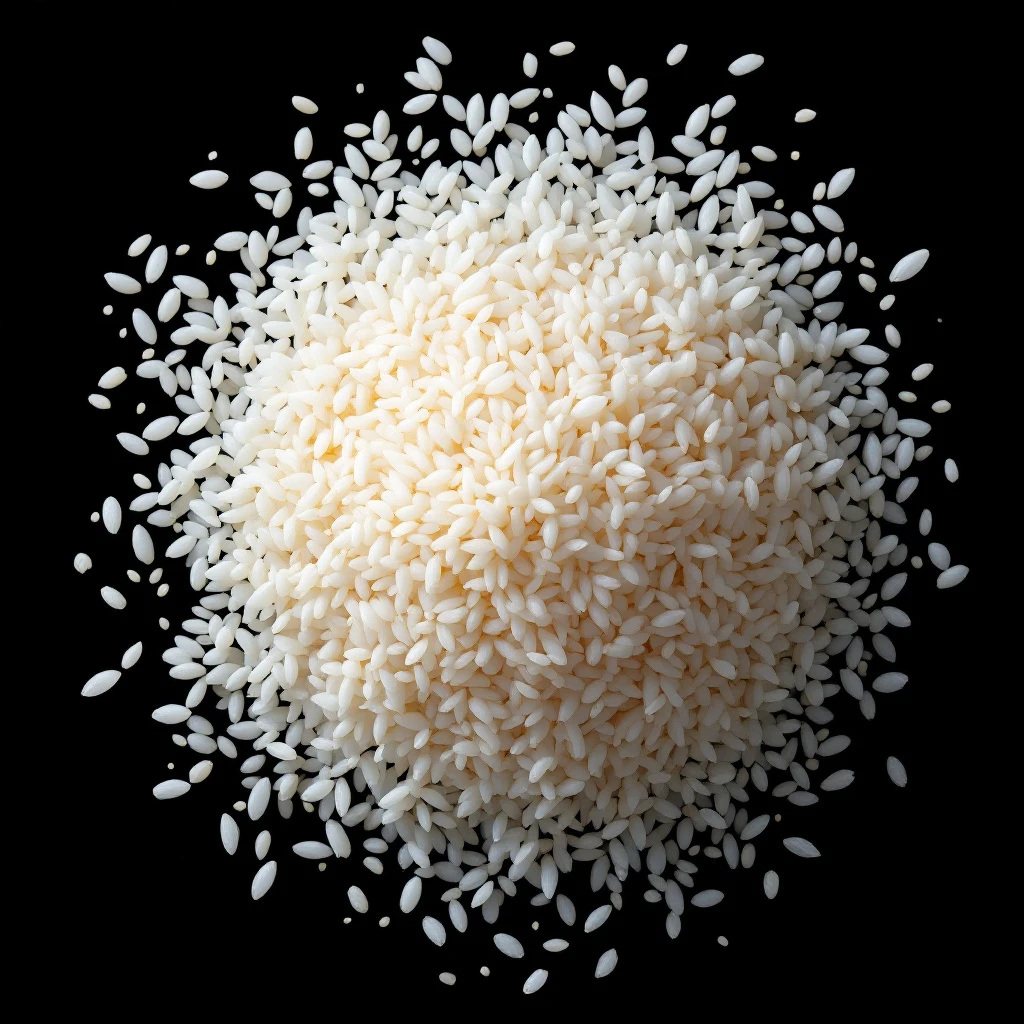
The warm, nutty aroma of basmati rice, prized in perfumery for its comforting, edible quality that evokes the scent of cooking grain and fresh popcorn. A note that feels like a quiet kitchen at dawn.
Character
How it smells
Ancient grain rendered into quiet comfort.
Cornell research identified the gene behind rice fragrance as stemming from an ancestor of basmati rice, making this variety the original source of that beloved aroma.

Origin
India
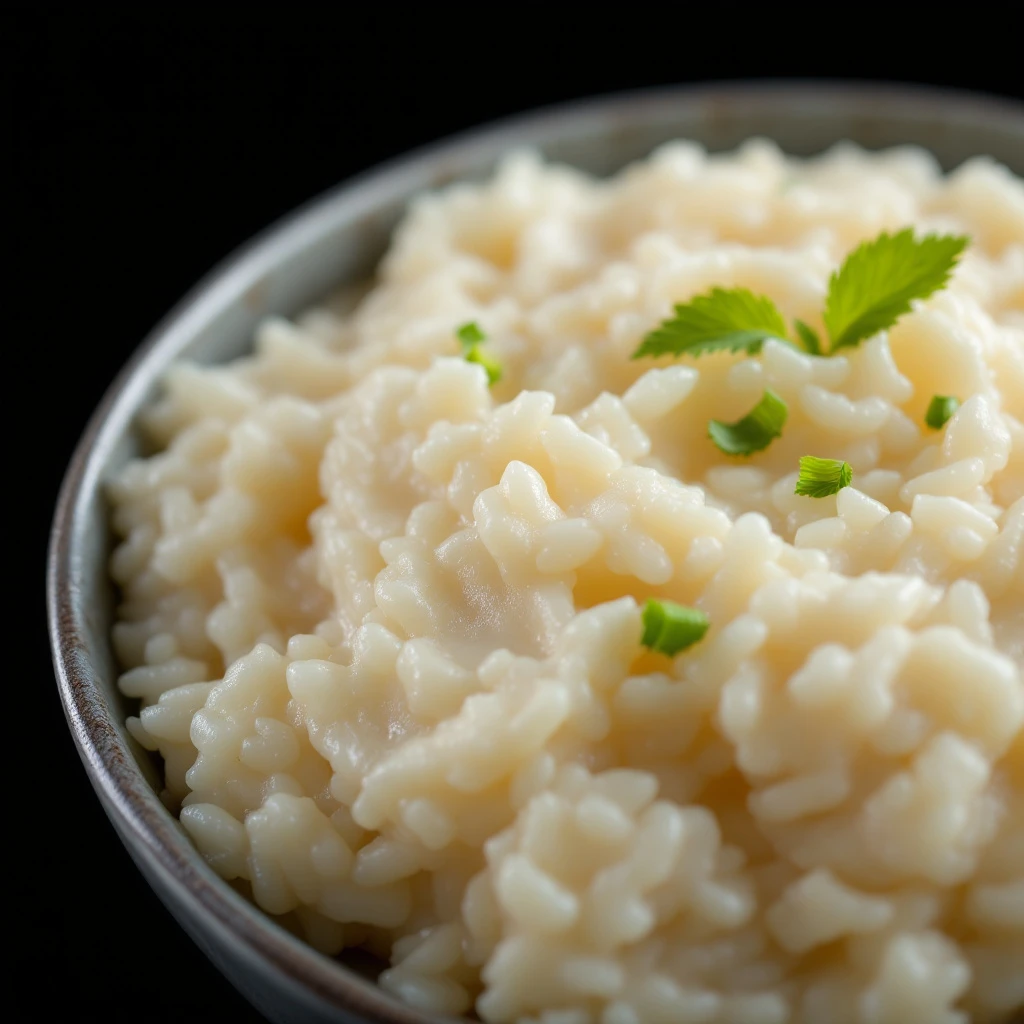
Rice cultivation began in China around 2800 BCE, spreading across Asia and becoming central to countless food cultures. The basmati variety developed in South Asia's Himalayan foothills, where cool temperatures, abundant water, and careful aging in grain silos over centuries refined its extraordinary aroma. The compound 2-acetyl-1-pyrroline, responsible for basmati's characteristic popcorn note, exists in higher concentrations in basmati than in other varieties.
Ancient Mesopotamian and Egyptian civilizations used rice-derived ingredients in early perfumery, though basmati itself did not appear in fragrance until much later. As perfumers began exploring edible, comforting notes in the late 20th century, basmati moved from the kitchen into the lab. Its warm, familiar aroma offered something different from floral or woody standards.
Today, basmati rice fragrance represents a bridge between culinary heritage and modern perfumery, a quiet reminder that the most cherished scents often come from the simplest sources.
Wears it best
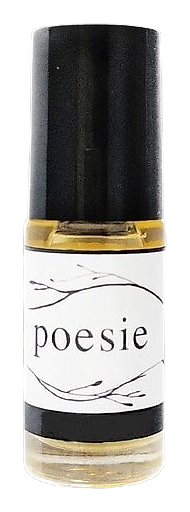
Fragrances featuring Basmati Milk Rice
Good to know
Questions, answered
The essentials on Basmati Milk Rice in perfumery: how it smells, where it comes from, and how it behaves on skin.
What does basmati rice smell like?
Basmati rice has a warm, nutty aroma with subtle popcorn and grassy notes. The scent comes from 2-acetyl-1-pyrroline, the same compound found in fresh bread crust. It smells clean, starchy, and immediately comforting.
How do perfumers use basmati rice in fragrance?
Perfumers use basmati rice extracts as a base or heart note for their warm, creamy, comforting qualities. The scent works well with lactones, musks, and vanillin to enhance a soft, edible character in skin and home fragrances.
Is basmati rice fragrance natural or synthetic?
Both exist. Natural basmati rice extracts are uncommon because rice grain contains low concentrations of aromatic compounds. Most rice-like notes in perfumery come from aroma chemicals like 2-acetyl-1-pyrroline, either synthesized directly or inspired by the natural material.
Does basmati rice note last long in a fragrance?
Rice extracts tend to be light, making them better as top or heart notes rather than long-lasting bases. Perfumers often pair them with fixatives like musks or woody materials to extend wear time in a composition.
Can I make a rice tincture at home for perfume?
You can, but preservation is difficult. Rice tinctures often sour or ferment within days without proper control. Professional perfumers use CO2 or solvent extraction to avoid the instability that home methods struggle with.
What ingredients pair well with basmati rice in perfumery?
Lactones, sandalwood, heliotrope, tonka bean, and various musks complement basmati rice well. These materials share its warm, creamy, slightly sweet character and help round out the fragrance.
In what types of fragrances does basmati rice appear?
Basmati rice shows up most often in warm, skin-close fragrances, body mists, and home scents. It suits products meant to feel comforting and familiar rather than bold or dramatic.
How is basmati rice different from jasmine rice in perfumery?
Basmati carries the distinctive 2-acetyl-1-pyrroline popcorn note. Jasmine rice smells milder, more purely starchy, and slightly floral. The two share grassy, cereal-like qualities but basmati has more character and warmth.