Barnyard
Barnyard captures the raw, primal essence of the farm - an earthy accord where musky depth meets the warmth of aged leather and sun-dried hay. In perfumery, it represents some of our most ancient olfactory territories.

Character
How it smells
The untamed scent of open air and living earth.
The barnyard accord often uses trace amounts of castoreum (beaver secretion) - just 0.01% can transform a fragrance entirely.







Origin
Global (synthetic predominant)
Barnyard notes trace back to ancient perfumery where animalic materials held sacred status. Egyptian kohl fragrances incorporated castoreum, while medieval Arab perfumers prized civet for its longevity and depth.
During the 19th century, natural animalics dominated high-end perfumery - famous maisons maintained private supplies of musk deer, civet, and castoreum. The industrial era brought synthetic alternatives, expanding barnyard notes beyond luxury niche into mainstream masculines.
Today's barnyard accord reflects both heritage and innovation: traditionalists honor animalic heritage while synthetic versions make the effect accessible and cruelty-free. This duality makes barnyard a fascinating marker of perfumery's evolution from ritual to art.
Wears it best
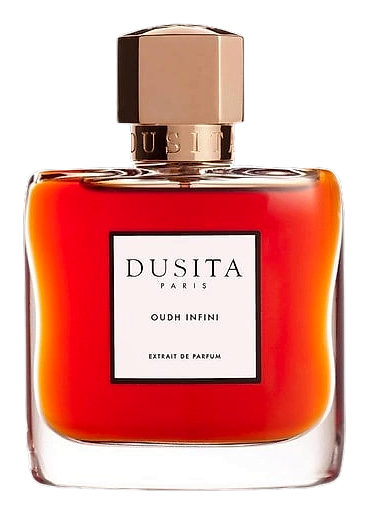
Fragrances featuring Barnyard

Brands
Brands known for Barnyard
Good to know
Questions, answered
The essentials on Barnyard in perfumery: how it smells, where it comes from, and how it behaves on skin.
Is barnyard a natural or synthetic ingredient?
Barnyard is an accord, not a single ingredient. Modern formulations typically combine synthetic molecules (skatole, indole, synthetic musks) with natural earthy base materials, though fully natural versions using castoreum or civet still exist in niche perfumery.
What does barnyard smell like?
Barnyard evokes earthy, musky, slightly animalic characteristics reminiscent of stable straw, aged leather, and damp earth. The accord balances raw animalic warmth with grounded organic freshness.
Which fragrance families commonly use barnyard notes?
Barnyard appears frequently in leather, chypre, and animalic oriental fragrances. It serves as a base note anchor in many masculine scents, providing depth and primal character.
Why do perfumers use barnyard notes?
Barnyard notes provide animalic warmth and longevity that few other materials achieve. They ground lighter compositions, add biological depth, and create an instinctive emotional response in wearers.
Are animal-derived barnyard materials still used today?
Natural animalics like castoreum and civet remain available but see limited use due to ethical concerns, high cost, and regulatory restrictions. IFRA regulations have significantly reduced their presence in commercial perfumery.
What synthetic molecules create barnyard effects?
Key synthetic molecules include skatole (fecal, animalic), indole (floral-animalic), and synthetic musks like Habanolide and Galaxolide. These replicate barnyard characteristics without animal sourcing.
Does barnyard mean the fragrance will smell dirty?
Not at all. When properly blended, barnyard notes add sophisticated earthy warmth. The descriptor refers to pastoral authenticity - think clean stable air, not unclean conditions.
Can I find barnyard notes in natural perfumery?
Yes. Some natural perfumers use responsibly-sourced animalics or botanical alternatives like aged patchouli, vetiver, and costus root that naturally express barnyard-like characteristics.