Bamboo Water
Bamboo Water evokes a cool, green freshness shaped by watery accords, faint mineral notes, and the soft impression of bamboo leaves after rain.
Character
How it smells
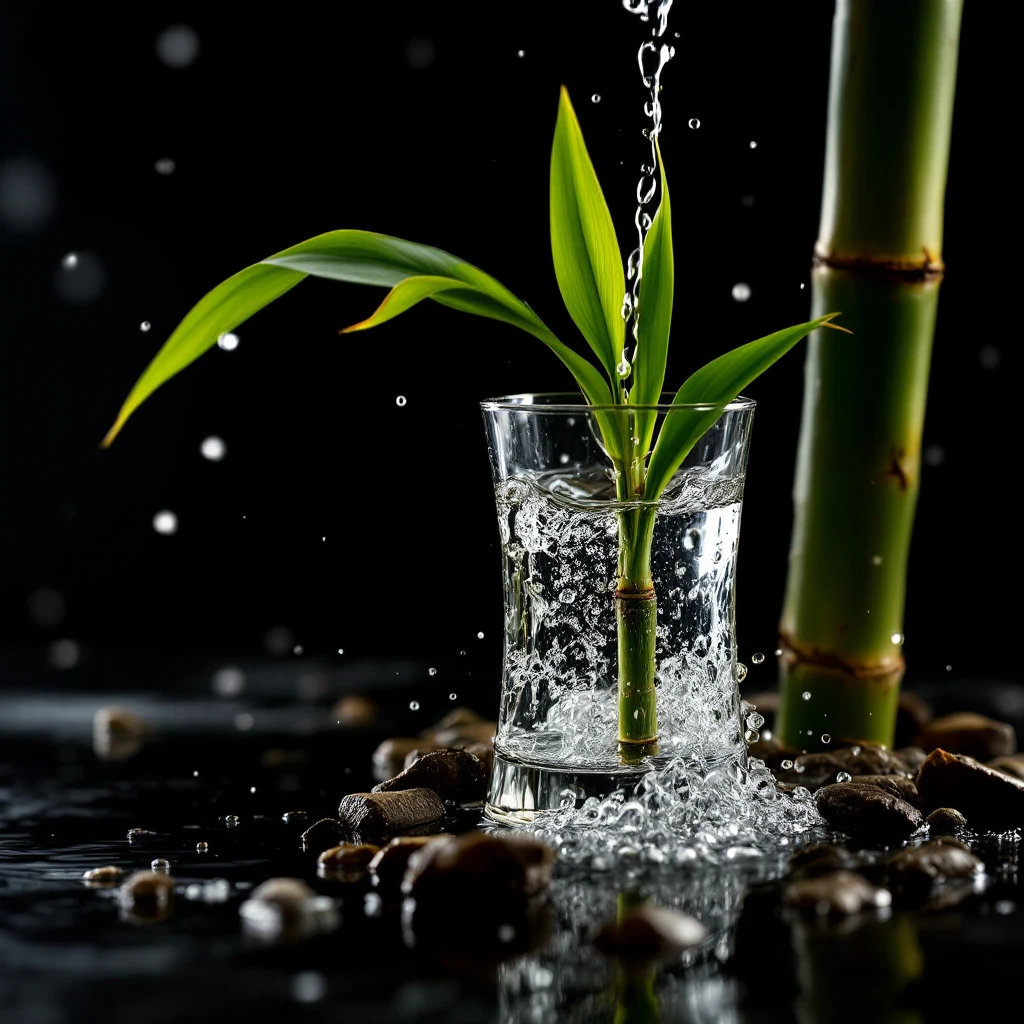
Cool bamboo, captured in a modern watery accord.
Bamboo Water is usually an imaginative fragrance material rather than a direct bamboo essential oil, since bamboo does not yield a common perfumery extract.
Pairs beautifully with
Origin
China
Bamboo has a long cultural history across Asia, where its rapid growth, strength, and graceful form made it a prominent material in architecture, crafts, poetry, and daily life. In fragrance, bamboo is especially associated with East Asian imagery: quiet gardens, rain, and the clean scent of leaves and young shoots. Historical perfumery developed through distillation, enfleurage, and other extraction methods, but bamboo is not known as a conventional essential-oil source.
Modern fragrance houses therefore often construct Bamboo Water as an accord designed to suggest the plant through watery, green, woody, and slightly mineral notes. Its meaning in a perfume is interpretive rather than archaeological, connecting an ancient botanical symbol with a crisp contemporary style.
Wears it best
Fragrances featuring Bamboo Water
Brands
Brands known for Bamboo Water
Good to know
Questions, answered
The essentials on Bamboo Water in perfumery: how it smells, where it comes from, and how it behaves on skin.
What does bamboo smell like?
Bamboo usually has a fresh green, watery, and slightly woody character, often compared with damp leaves and clean air. In perfume, Bamboo Water adds cool moisture and a faint mineral impression rather than a strong natural bamboo odor.
Is Bamboo Water a natural essential oil?
Usually, no. Bamboo Water is commonly a fragrance accord, meaning perfumers combine selected aroma materials to suggest bamboo rather than extracting one standardized bamboo essential oil.
Where does bamboo come from?
Bamboo grows widely across Asia, including China, India, and Southeast Asia. China is a major cultural reference point for bamboo imagery, although bamboo species are cultivated in many regions worldwide.
How is Bamboo Water made in perfumery?
Perfumers build Bamboo Water from watery, green, woody, and sometimes mineral or ozonic effects. Depending on the composition, it may include natural ingredients alongside synthetic fragrance molecules, so there is no single production method.
Does Bamboo Water smell like bamboo leaves?
It can, especially when a fragrance combines green notes with moist, airy accords. The effect is interpretive, so some versions emphasize crisp water, while others add soft wood, moss, or rain-soaked earth.
What fragrance family is Bamboo Water in?
Bamboo Water is usually placed within fresh, green, aquatic, or woody fragrance groups. Its classification depends on the full formula, since it may function as a main character or as a supporting note.
Why is bamboo important in Asian culture?
Bamboo is valued for its flexibility, rapid growth, utility, and distinctive form. It appears widely in art, architecture, literature, and gardens, which helps explain its strong association with calm natural imagery.
Can bamboo essential oil be extracted?
Bamboo is not commonly processed into a standard essential oil for perfumery. Fragrance formulas labeled Bamboo Water are more often composed accords designed to evoke the plant than direct bamboo extracts.