Pandan
Tropical green with a warm, rice-like sweetness. Pandan leaf bridges the gap between gourmand comfort and exotic freshness, adding aromatic complexity that feels familiar yet distinctly unfamiliar to most Western noses.
Character
How it smells
The sweet green heart of Southeast Asian kitchens.
Called the 'vanilla of the East,' pandan's signature aroma comes from 2-acetyl-1-pyrroline, the same compound responsible for the scent of fragrant basmati rice and fresh-baked bread.

Origin
Indonesia
Pandan has been woven into Southeast Asian culture for centuries, valued as much for its fragrance as for its culinary uses. In Indonesian, Malaysian, Thai, and Filipino households, pandan leaves perfume rice dishes, cakes, and beverages.
The Peranakan community, known for their sophisticated material culture, blended shredded pandan with rose petals, jasmine, and perfume oil to create home fragrances. Traditional perfumers used enfleurage and maceration techniques to capture the leaf's essence.
In perfumery, pandan remains a relatively recent introduction compared to its centuries of culinary use. Some noses now use the natural extract obtained from crushed pandan leaves, drawn to its sustainable profile and the way it captures Southeast Asian heritage in a bottle.
Wears it best
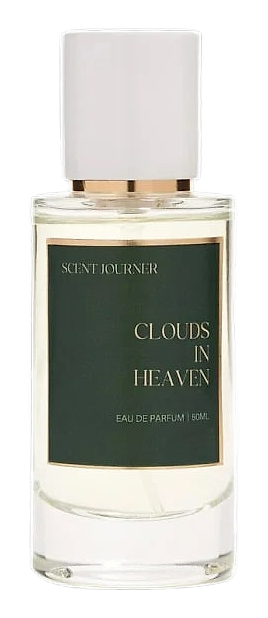
Fragrances featuring Pandan
Brands
Brands known for Pandan
Good to know
Questions, answered
The essentials on Pandan in perfumery: how it smells, where it comes from, and how it behaves on skin.
What does pandan leaf smell like?
Pandan leaf smells like warm rice with green, coconut-like undertones. Its signature comes from 2-acetyl-1-pyrroline, the same compound found in basmati rice and fresh bread dough.
Is pandan used in mainstream perfumery?
Pandan remains uncommon in mainstream perfumery but is gaining traction among niche perfumers seeking natural, sustainable ingredients with a distinctive Southeast Asian character.
How is pandan extract produced?
The leaves are steam distilled or solvent-extracted shortly after harvest to preserve volatile aroma compounds. CO2 extraction is sometimes used for a fuller aromatic profile.
What note classification does pandan occupy?
Pandan functions as a heart note that bridges gourmand warmth and tropical-green freshness, adding aromatic complexity without overt sweetness.
Is pandan sustainable as a perfume ingredient?
Pandan is highly sustainable. The plant regenerates quickly, requires minimal cultivation intervention, and can be harvested multiple times per year from established stands.
What parts of the pandan plant are used in perfumery?
Only the leaves are used for fragrance production. The plant's fruit and roots serve other purposes in food and traditional medicine.
Can synthetic pandan replace natural extract?
Synthetically produced 2-acetyl-1-pyrroline mimics pandan's signature note but lacks the complex green undertones and natural variability of the natural extract.
What fragrances feature pandan as a key ingredient?
Pandan appears primarily in niche and artisanal fragrances that highlight Southeast Asian botanical ingredients, though specific formulations are proprietary.