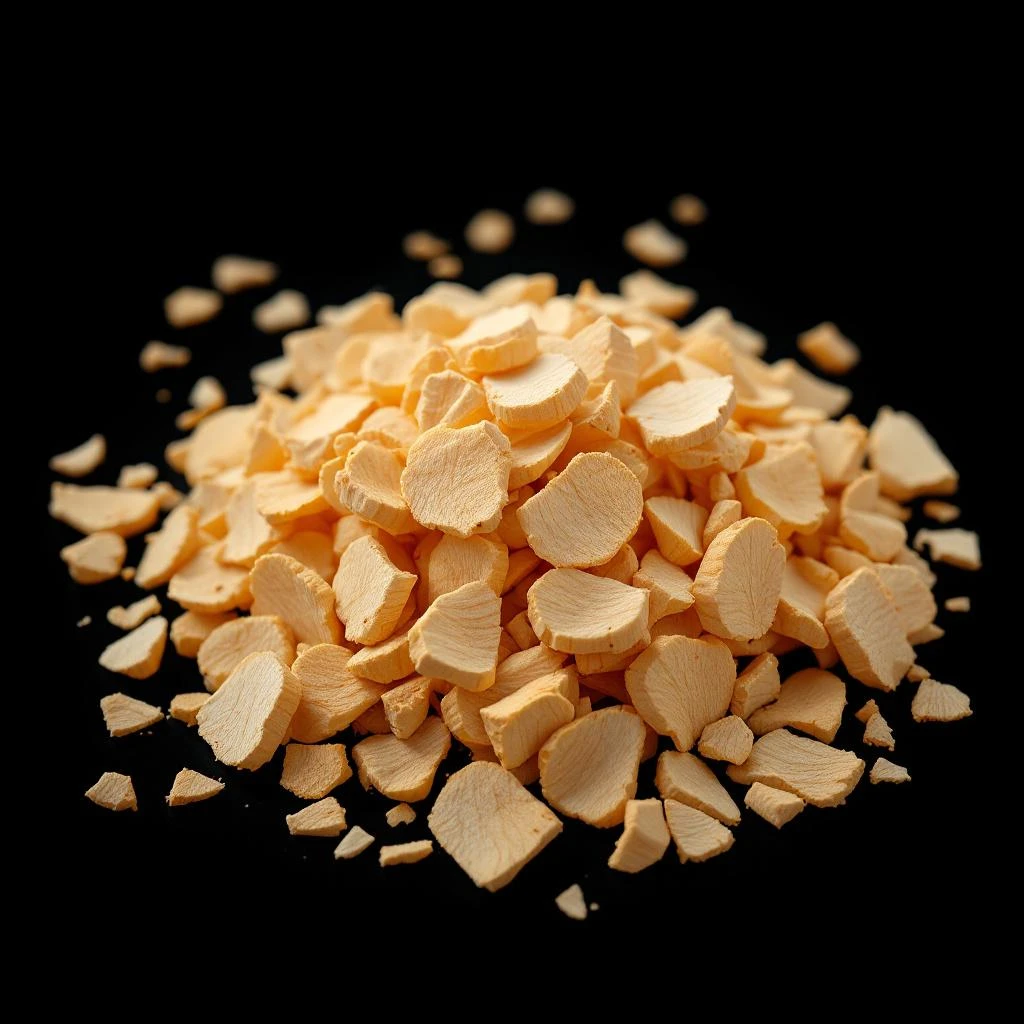
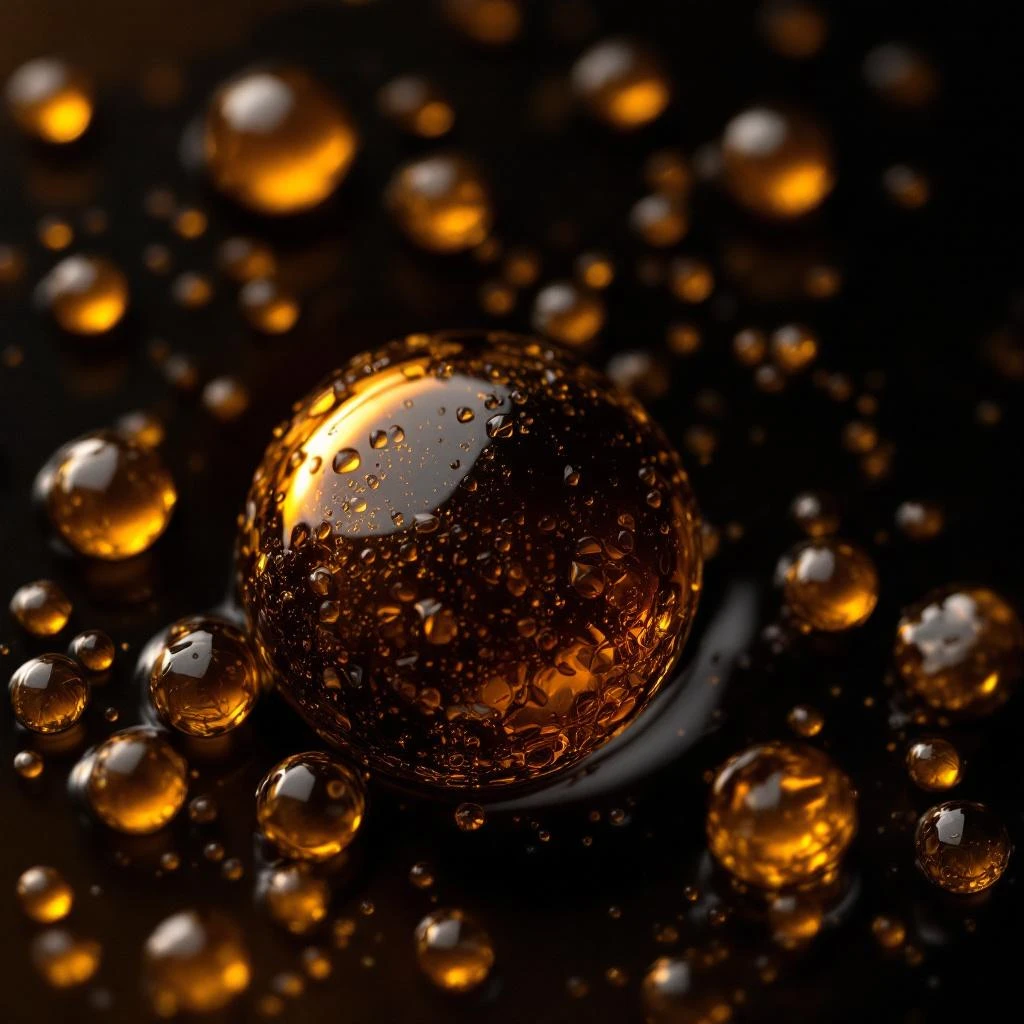
Balsamics
Balsamic notes in perfumery encompass warm, rich, resinous scents drawn from tree saps and aromatic gums. These materials form the anchoring base of countless fragrances, prized for their depth and lasting power.
Character
How it smells
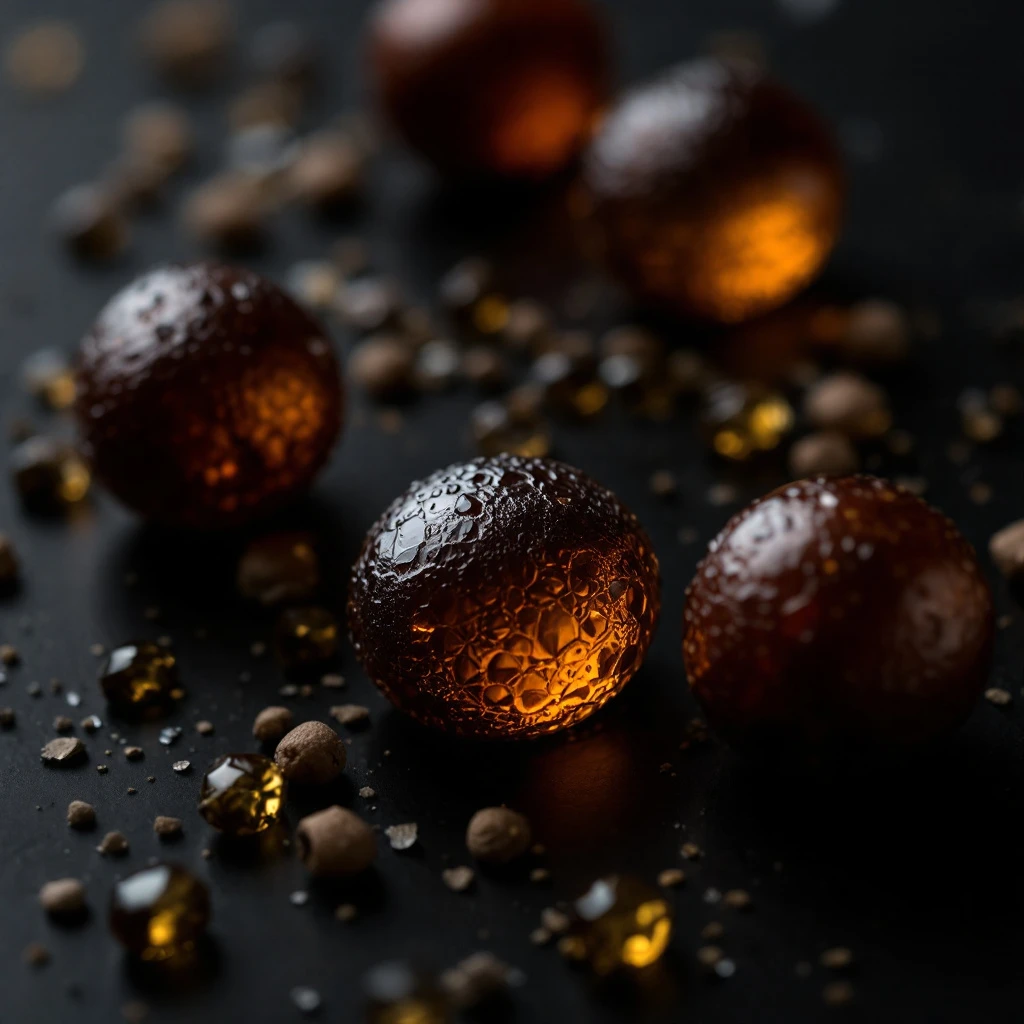
Ancient resins that anchor the soul of a fragrance.
The word balsamic traces to the Greek balsamon, meaning fragrant resin, and appears in texts over 2,000 years old.
Pairs beautifully with
Origin
Oman
Balsamic resins ranked among the most treasured commodities along ancient trade routes connecting the Arabian Peninsula to the Mediterranean. The Hebrew Bible references frankincense and myrrh as precious offerings, while Egyptian embalmment rituals relied heavily on these materials.
The Incense Route, active from roughly 3000 BCE through medieval times, transported these aromatic substances across vast distances. Their preservation in tombs and temples across multiple civilizations demonstrates how deeply humans associated these scents with spirituality and permanence.
Wears it best
Fragrances featuring Balsamics
Brands
Brands known for Balsamics
Good to know
Questions, answered
The essentials on Balsamics in perfumery: how it smells, where it comes from, and how it behaves on skin.
What defines a balsamic note in perfumery?
Balsamic notes are warm, sweet, and resinous scents derived from tree saps and aromatic gums. They typically feature vanilla-like sweetness combined with deeper, slightly smoky undertones. These notes function as base components, adding body and lasting power to fragrance compositions.
Are balsamic ingredients safe for skin application?
Most balsamic materials are safe when properly diluted, but some contain natural compounds like cinnamic acid that may cause sensitivity. IFRA guidelines restrict certain balsams in leave-on products. Professional dilution remains essential before skin application.
Which balsamic materials appear most often in commercial fragrances?
Benzoin, Peru balsam, tolu balsam, and styrax rank among the most frequently used. Frankincense and myrrh also appear regularly in niche and luxury fragrances. Each brings its own character, from benzoin's warm vanilla quality to frankincense's citrusy, pine-like top notes.
How do balsamic notes interact with other fragrance families?
Balsamics blend exceptionally well with oriental and woody fragrance families. They amplify warmth in spice combinations and add sweetness to leather compositions. Their fixative properties also help prolong the life of lighter top notes like citrus or green accords.
What role do balsamic notes play in fragrance architecture?
Balsamics serve as fixatives and base notes due to their large molecular structure and slow evaporation rate. They anchor a fragrance, providing the dry-down that lingers on skin for hours. Without them, many perfumes would fade within minutes.
Can synthetic ingredients replicate natural balsamic scents?
Synthetics like vanillin and ethyl vanillin offer balsamic-like warmth at lower cost and with better consistency. However, naturals provide complex, layered profiles that single molecules cannot fully reproduce. Most perfumers combine both approaches for balanced results.
What regions produce the finest balsamic resins?
Somalia leads in frankincense production, while benzoin primarily comes from Laos and Thailand. Peru and Tolu balsams originate from Central and South America. The specific terroir influences the resin's aromatic profile, much as it affects wine grapes.
How has the use of balsamic materials evolved in modern perfumery?
Natural balsamics remain highly valued, but sustainability concerns have shifted some production toward responsibly sourced materials and innovative extraction techniques. Supercritical CO2 extraction now produces cleaner absolutes with reduced solvent residues compared to traditional methods.