Balkans Leather
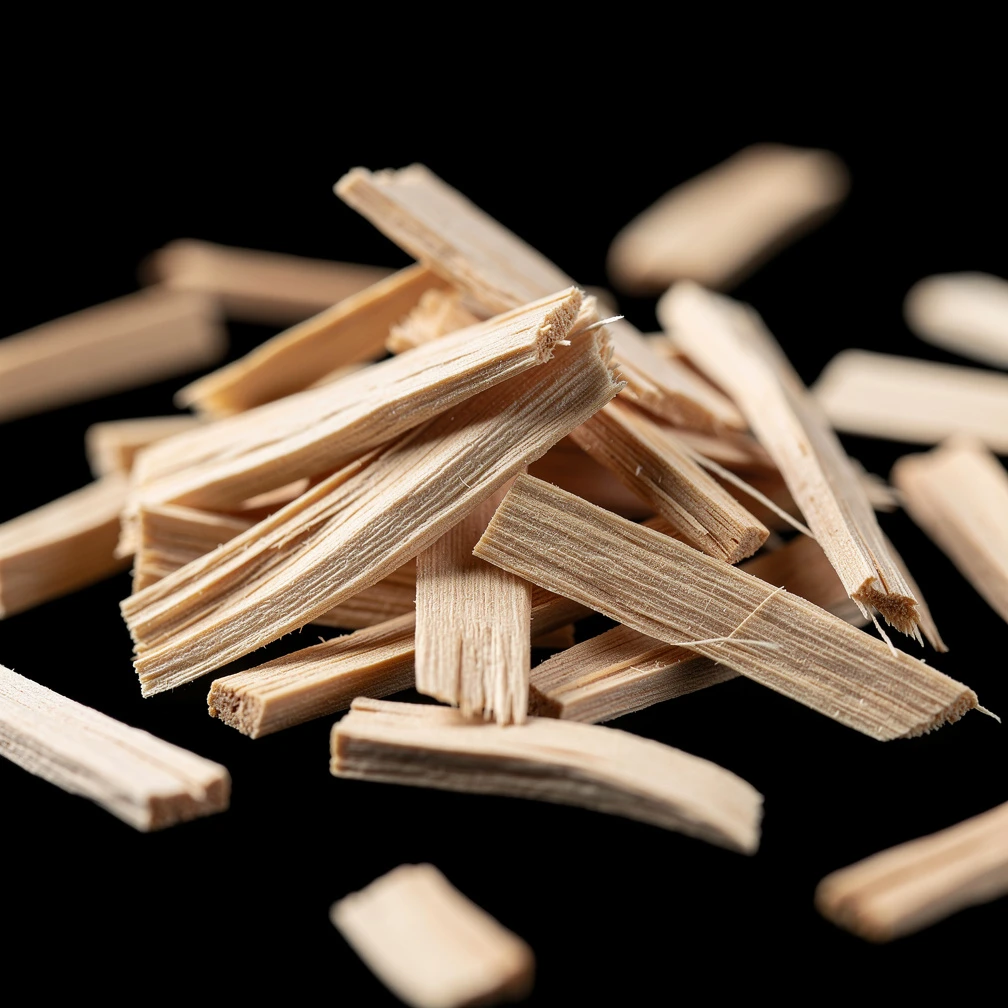
A dark, aromatic leather accord shaped by smoky birch tar, dry woods, and the warm depth of resins.
Character
How it smells
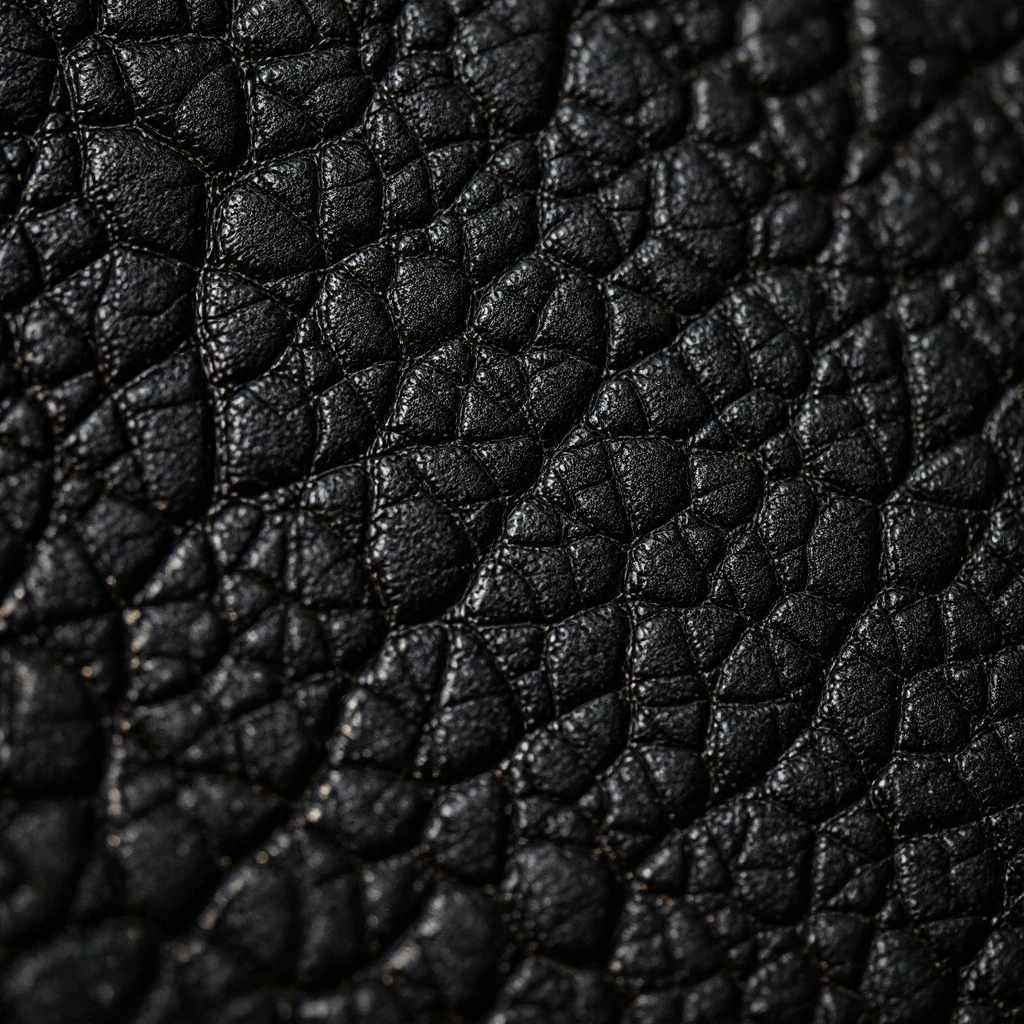
Smoked hide, polished wood, and resinous heat.
Leather perfumes grew from tanning scents that masked the strong odor of animal hides.
Pairs beautifully with

Origin
Serbia
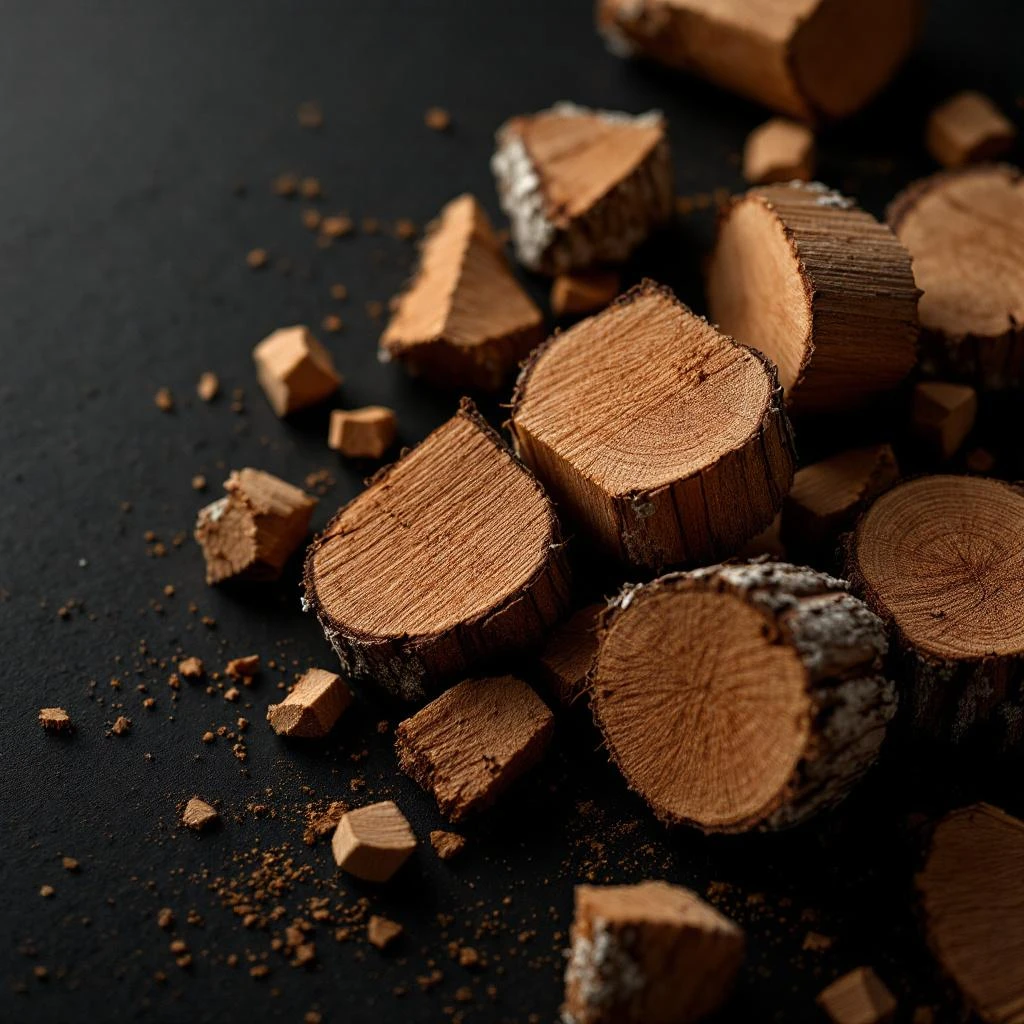
Leather and perfume share a long history because hides were scented to preserve them and disguise their strong natural odor. Early leather treatment included plant materials such as kumquat tree bark, while aromatic resins and woods helped alter the smell of skins.
By the mid-19th century, leather odors were established in Western perfumery, leading to tanning perfumes and eventually more polished leather accords. The Balkan association comes from the region's traditions of tanning, leatherworking, and the use of birch tar, which lends a distinctly smoky character.
Today, “Balkans Leather” describes a broader style of smoky, dark, aromatic leather rather than a single geographically sourced material. Its enduring appeal lies in how it combines the dry character of wood, the density of tar, and the warmth of resins.
Wears it best
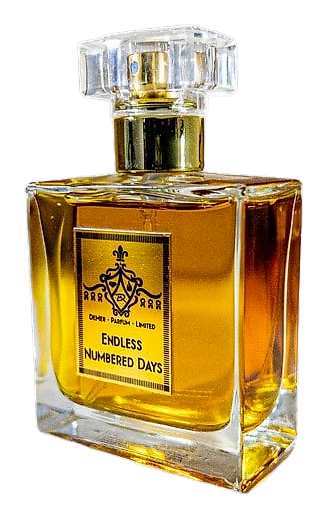
Fragrances featuring Balkans Leather
Brands
Brands known for Balkans Leather
Good to know
Questions, answered
The essentials on Balkans Leather in perfumery: how it smells, where it comes from, and how it behaves on skin.
What does Balkans Leather smell like?
Balkans Leather smells dark, smoky, and dry, with birch tar, polished woods, and warm resinous notes. A tar-heavy composition can also suggest charred wood, while resins add a balsamic sweetness that softens the sharper smoky facets.
Is Balkans Leather a natural ingredient?
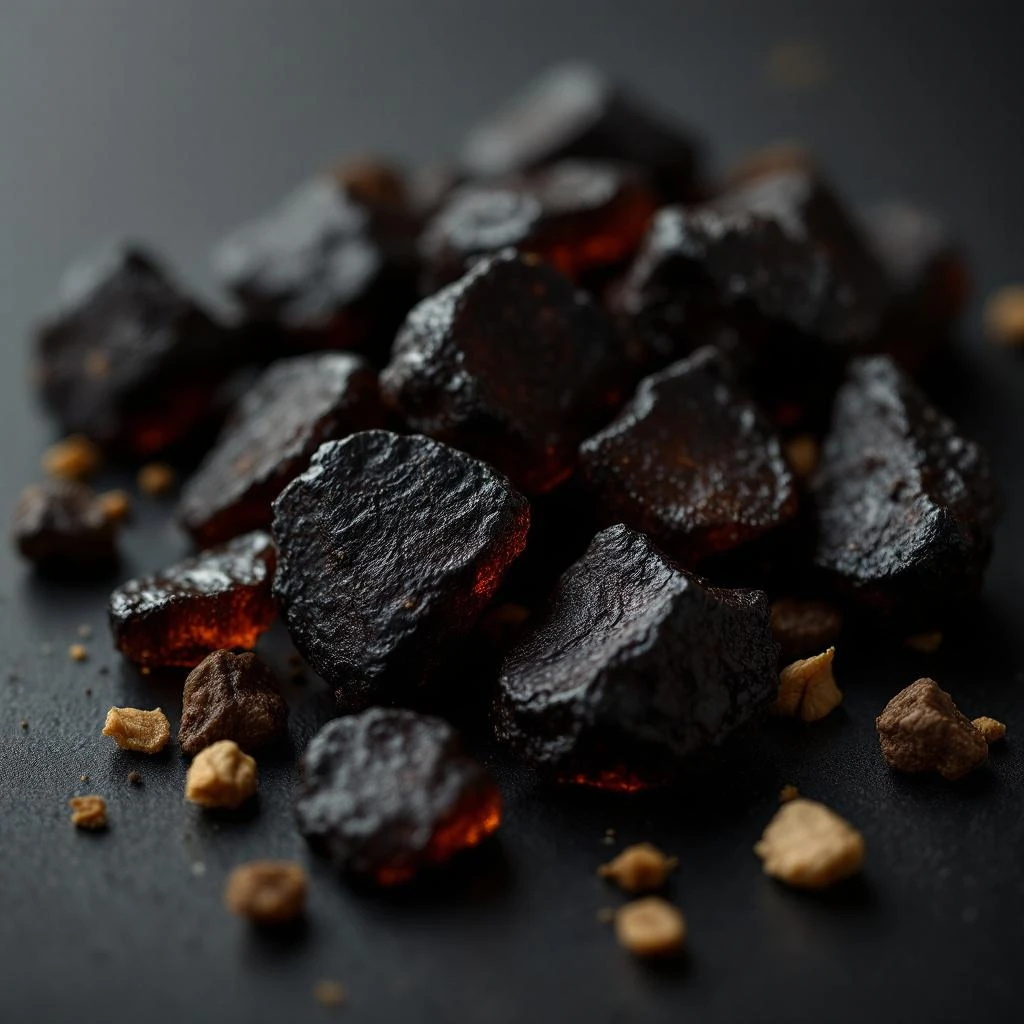
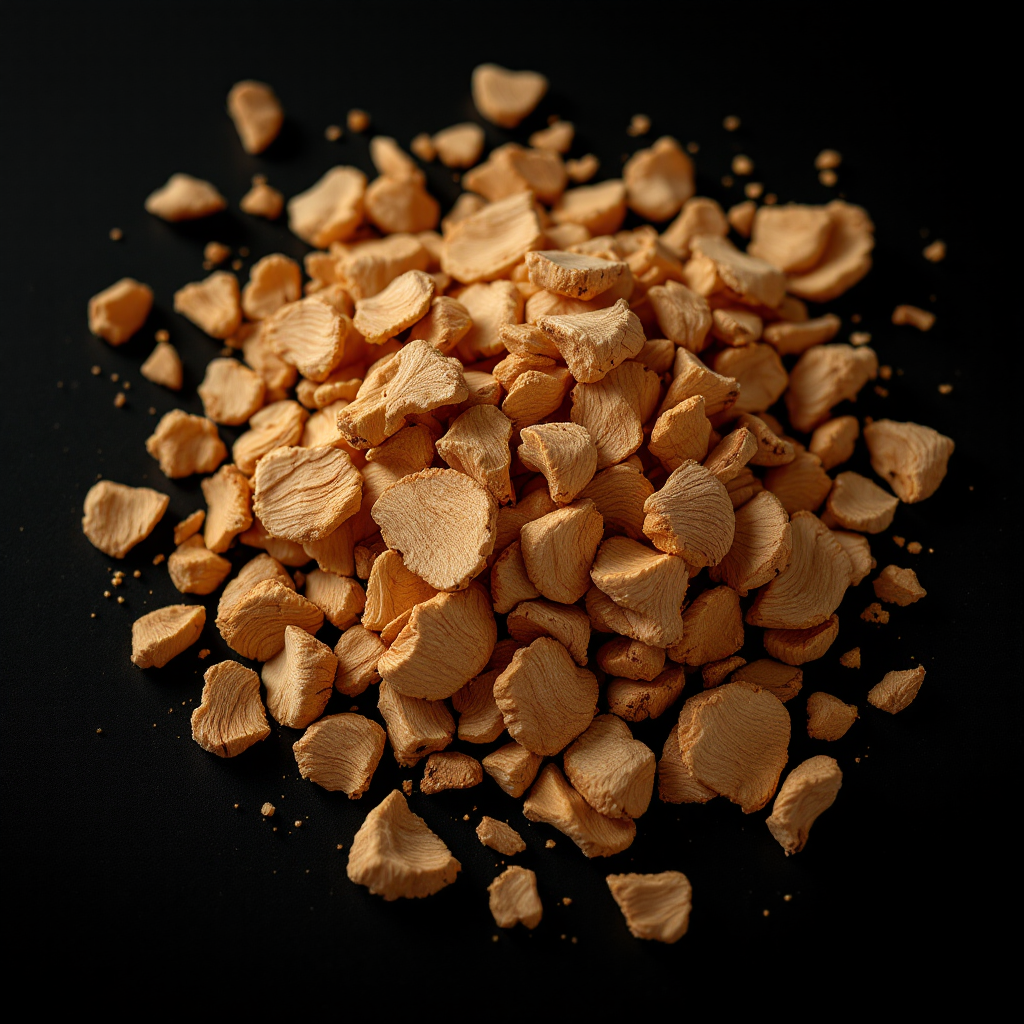
Usually not. It is a fragrance accord built from natural materials, synthetic aroma chemicals, or both. Birch tar, styrax, and labdanum may provide a natural foundation, but the finished leather effect depends on how a perfumer blends the materials.
Where does the Balkan leather association come from?
The association reflects the Balkans' long traditions of tanning and leatherworking, especially the use of birch tar as a smoky preservative and scent. It describes a regional style of leather accord rather than leather extracted from a particular plant or animal.
What gives leather perfumes their smoky scent?
Birch tar is a major source of the effect. Its dry, phenolic smoke can recall scorched wood and old leather, while compounds such as isobutyl quinoline contribute sharper leather-like or slightly animalic depth in modern compositions.
Which notes usually appear beside a leather accord?
Common companions include cedar, vetiver, patchouli, labdanum, styrax, amber, and musk. These materials can make the leather feel polished, earthy, resinous, soft, or smoky, depending on their proportions and the concentration of the overall fragrance.
Does a leather fragrance contain real leather?
No, leather fragrance does not contain leather as an ingredient. The note is recreated with tar materials, wood accords, aromatic chemicals, and resins. Even genuine leather rarely contributes a stable odor because its scent is affected by tanning, age, moisture, and storage.
How are the main leather-accord materials produced?
Natural resins are collected from plants and processed, while tar notes can be derived from wood or reproduced with synthetic aroma chemicals. Styrax comes from liquidambar resin, labdanum from the rock rose shrub, and birch tar is produced through destructive distillation of birch wood.
Is Balkans Leather suitable for everyday wear?
It can be, especially in lighter formulations with suede-like woods and restrained smoke. Dense versions dominated by tar, dark woods, and resins often feel formal or evening-oriented, so concentration and personal scent preference matter more than the note label alone.