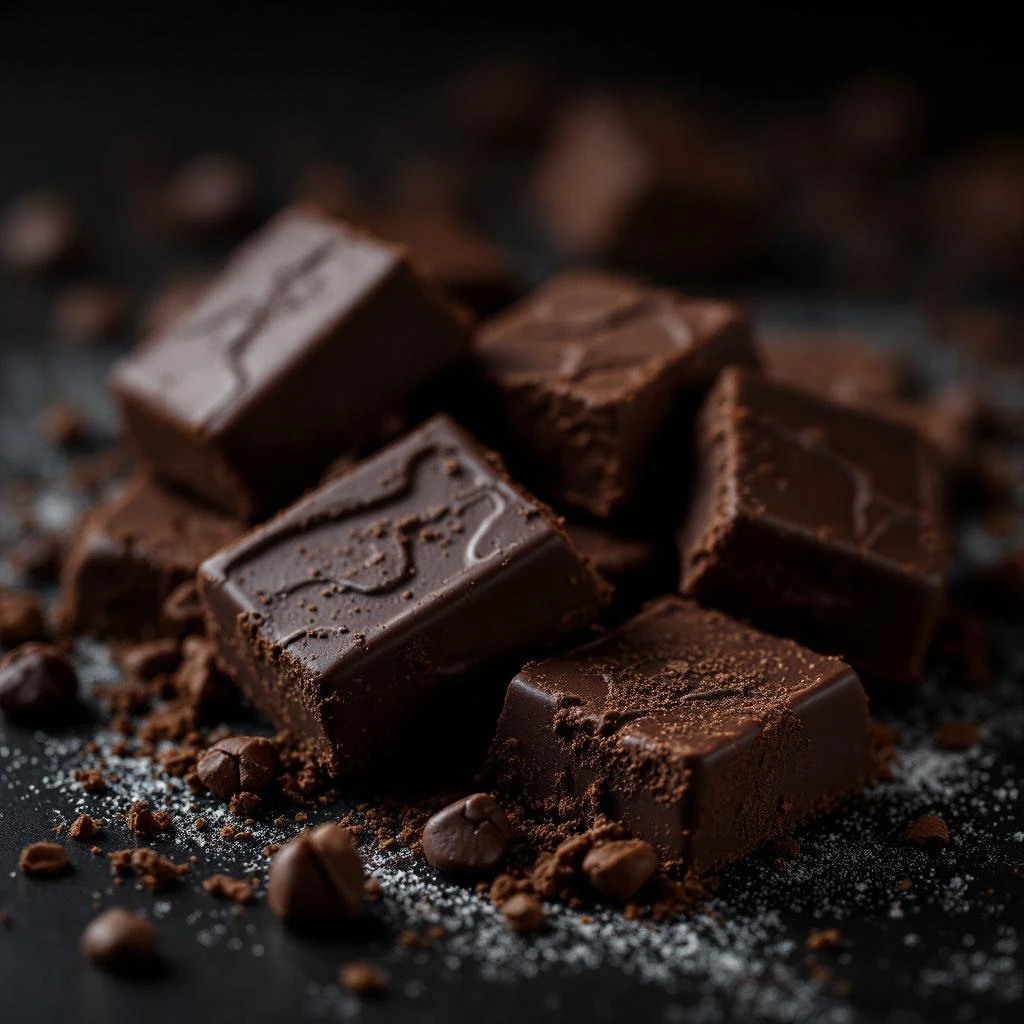
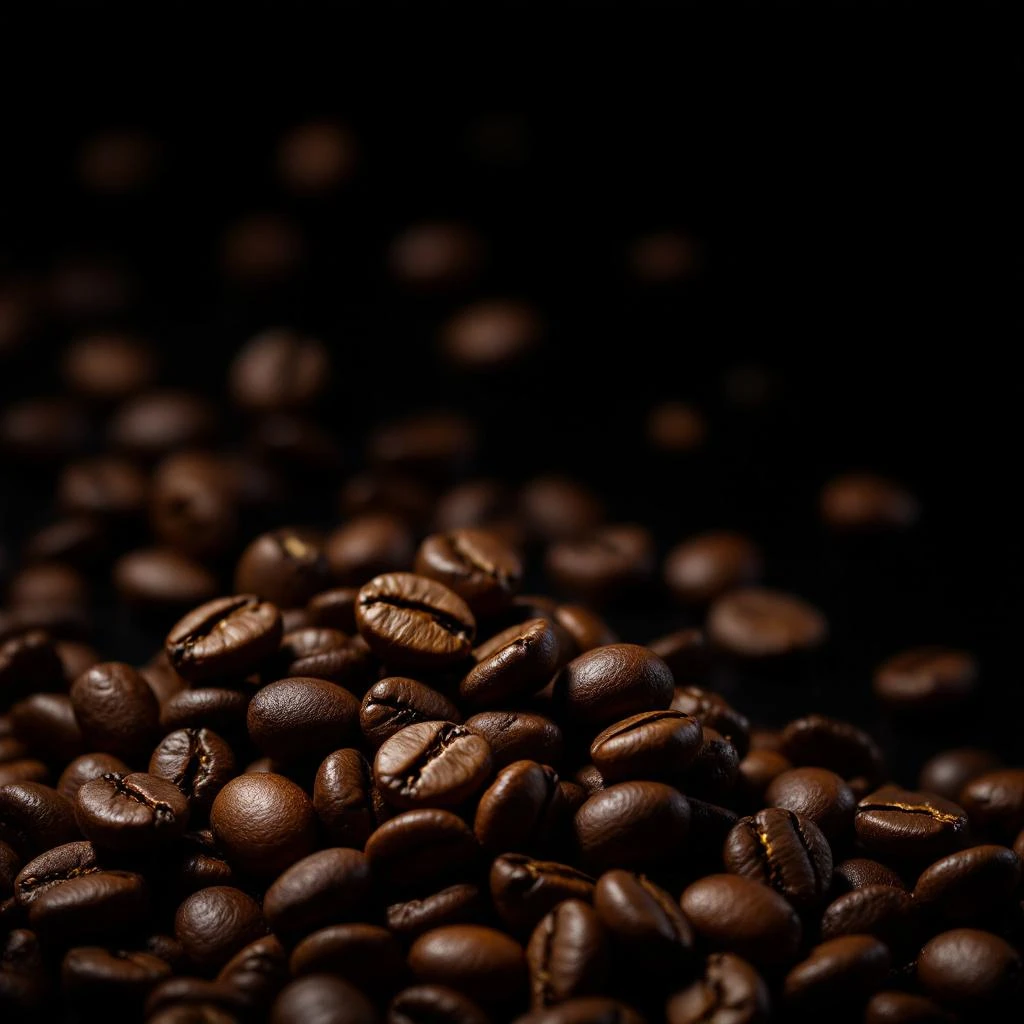
Balinese Vanilla
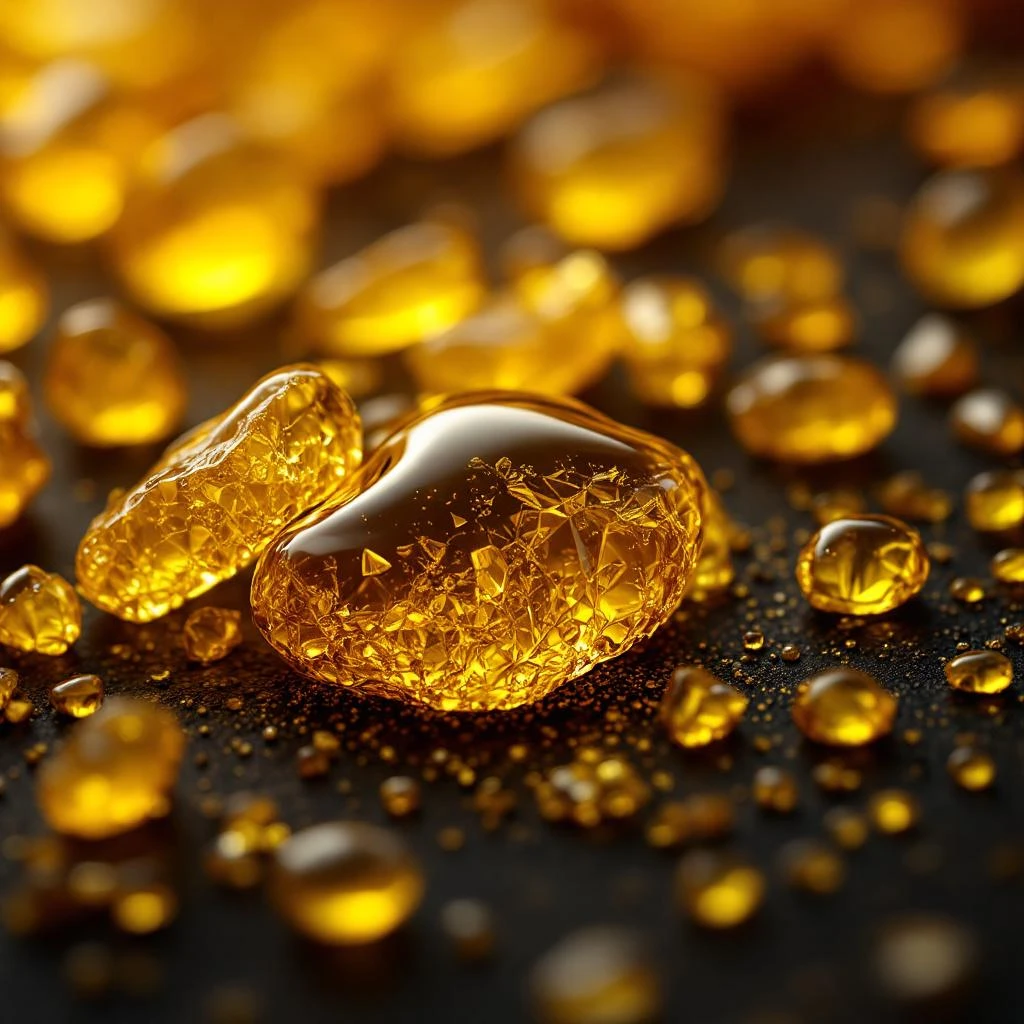
Balinese vanilla carries the warmth of Indonesian sunlight in every pod. This tropical cultivar delivers a rich, balsamic sweetness with creamy undertones that reflect its volcanic island terroir.
Character
How it smells
Volcanic soils. Tropical rains. Timeless warmth.
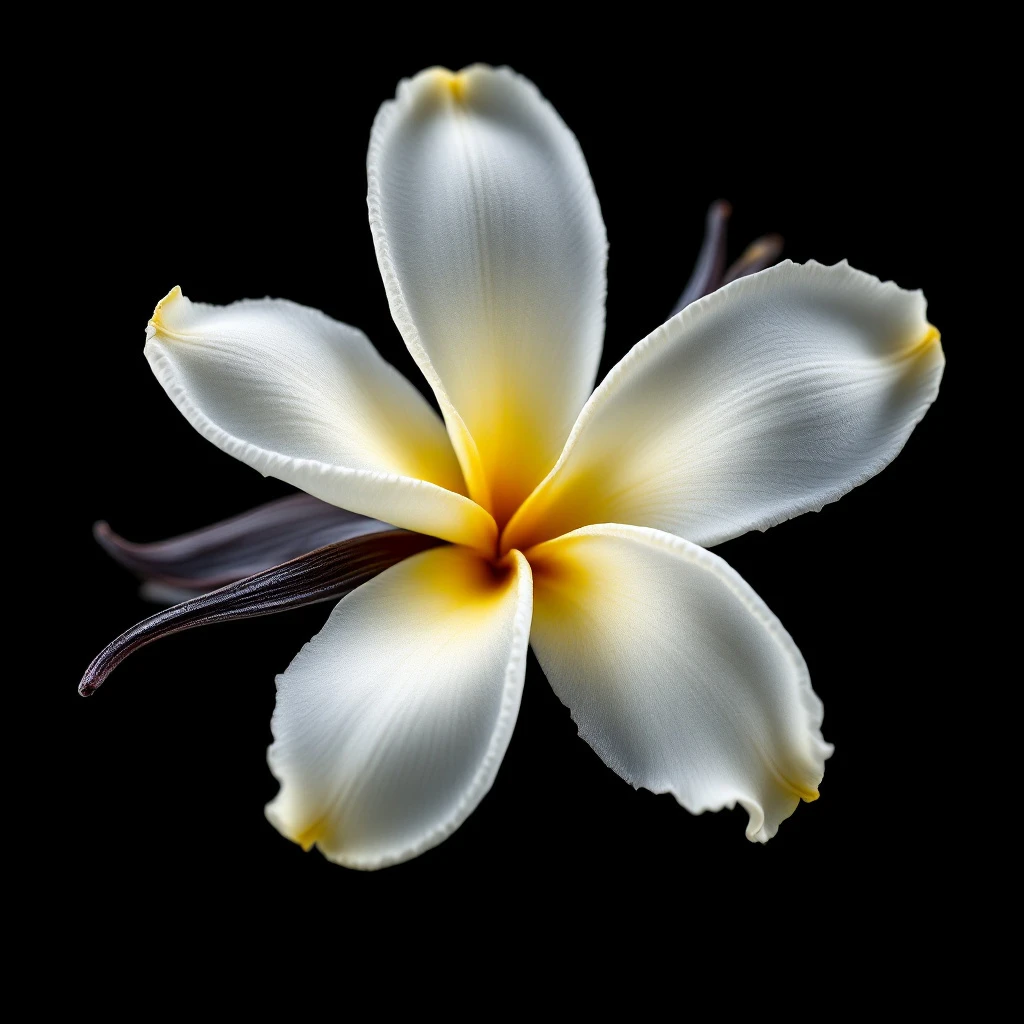
Each vanilla flower must be hand-pollinated within 12 hours of opening. Without this labor, the orchid produces no fruit.



Origin
Indonesia
Vanilla traces its roots to Mesoamerica, where indigenous peoples first cultivated the orchid. Spanish conquistadors introduced vanilla to Europe in the 16th century after encountering it in Mexico. For centuries, vanilla remained impossibly rare because the plant refused to set fruit outside its native habitat.
The Melipona bee, native only to Mexico, performed the essential pollination. In 1836, Belgian botanist Charles Morren solved the mystery by developing hand-pollination techniques. This discovery enabled vanilla cultivation across tropical regions worldwide, including the Indonesian archipelago.
Today, Indonesia ranks among the worlds leading vanilla producers, with Bali contributing a distinctive terroir shaped by volcanic soil and humid monsoon climate. Balinese vanilla has developed a reputation for exceptional aromatic complexity, combining floral sweetness with deeper balsamic and slightly smoky notes that reflect its island origins.
Wears it best
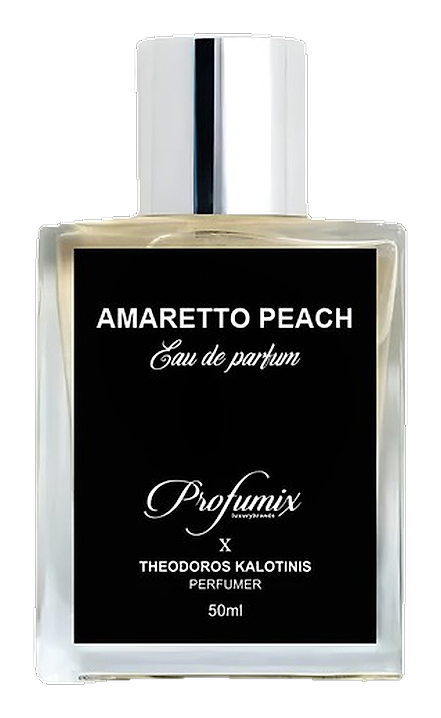
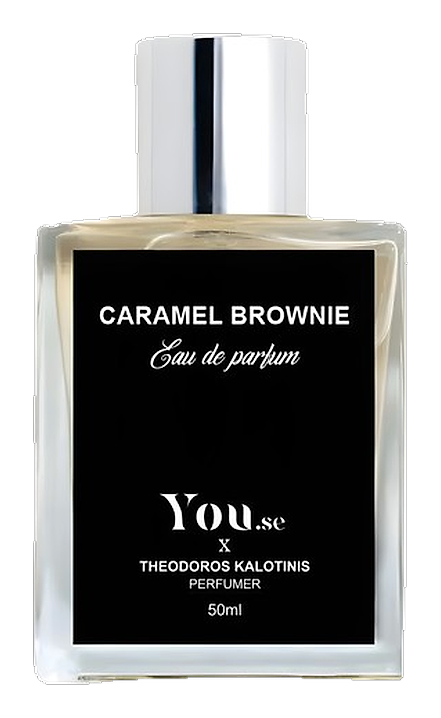
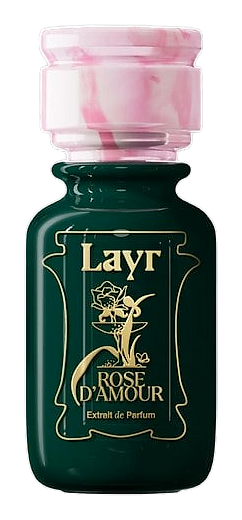
Fragrances featuring Balinese Vanilla
Brands
Brands known for Balinese Vanilla
Good to know
Questions, answered
The essentials on Balinese Vanilla in perfumery: how it smells, where it comes from, and how it behaves on skin.
Where does Balinese vanilla originate?
Balinese vanilla grows on the Indonesian island of Bali, cultivated in volcanic soil along the islands southern coast. The tropical monsoon climate and mineral-rich earth produce pods with distinctive smoky undertones beneath creamy sweetness.
How long does vanilla cultivation take?
From planting to harvest, vanilla requires 9 to 10 months for the pods to mature. After harvest, the curing process takes an additional 4 to 6 months to develop the characteristic aroma and dark color.
What makes Balinese vanilla unique in perfumery?
The volcanic soil and humid climate produce pods with a complex aromatic profile. Balinese vanilla offers deeper balsamic and slightly smoky notes compared to Madagascan varieties, which tend toward brighter, more floral sweetness.
Why is vanilla so labor-intensive to produce?
Each vanilla flower opens for only 12 hours and requires hand-pollination during that window. Without this precise intervention, the orchid produces no fruit. One hectare requires approximately 5,000 hand-pollinations.
What is the difference between vanilla absolute and vanilla extract?
Vanilla absolute, used in perfumery, is produced through solvent extraction of cured pods, yielding a concentrated aromatic material. Vanilla extract for culinary use is typically made through alcohol maceration at different concentrations.
How is vanilla graded for perfumery?
Perfumers evaluate vanilla based on vanillin content, aroma complexity, and curing quality. Premium pods show deep brown color, flexibility, and a rich, balanced fragrance. Moisture content and absence of defects also determine grading.
What fragrances pair well with Balinese vanilla?
Balinese vanilla works with warm orientals, amber compositions, and gourmand fragrances. It combines naturally with sandalwood, benzoin, tonka bean, and spices like cardamom and pink pepper for added depth.
Is natural vanilla used in all vanilla-scented perfumes?
Many perfumes rely on synthetic vanillin or ethylvanillin, created in 1894. Natural vanilla absolute develops complexity through months of curing that synthetics cannot replicate. High-end fragrances typically specify natural vanilla content.