Balinese patchouli
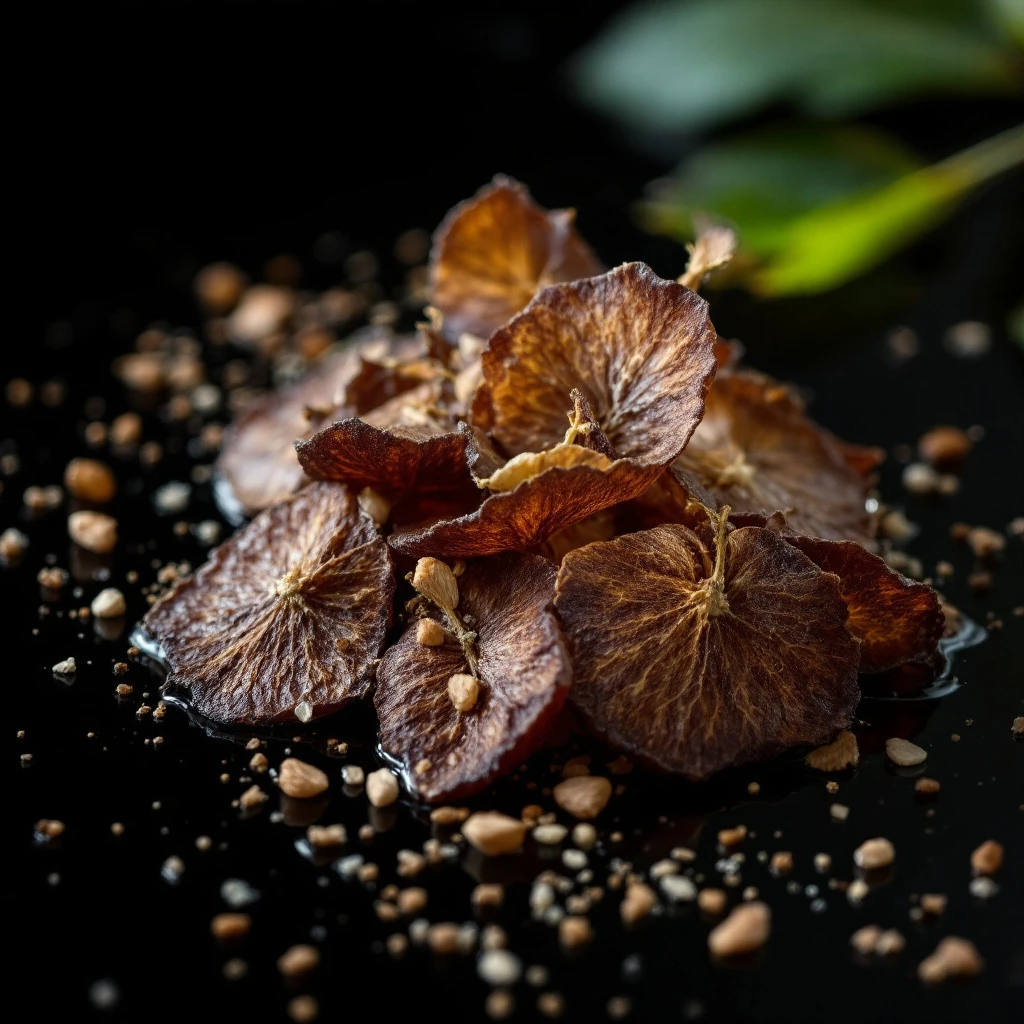
Balinese patchouli carries the island's humid landscapes in its soul. This Indonesian variety, grown in the volcanic soils of Bali, produces a richer, sweeter interpretation of the classic earth-and-wood scent that made patchouli iconic.
Character
How it smells
Volcanic soil, humid air, ancient craft.
Balinese farmers harvest patchouli leaves at dawn, when the plant's oil concentration peaks in the cool morning air.






Origin
Indonesia
Patchouli arrived in Bali through the spice trade networks that connected archipelago communities centuries ago. Indonesian farmers embraced the plant readily, finding its cultivation suited to the island's wet, warm climate.
Balinese textile workers historically layered dried patchouli leaves between silk scarves, following the same practice that Indian merchants had used on the silk road. The practice served dual purposes: insect protection and subtle fragrance that deepened over decades.
By the nineteenth century, European traders recognized Indonesian patchouli as superior for perfumery, and Balinese production centers emerged in the island's agricultural heartland. Contemporary Balinese distillers maintain traditional relationships with temple communities, often dedicating portions of each harvest to ceremonial use, preserving cultural continuity alongside commercial production.
Wears it best
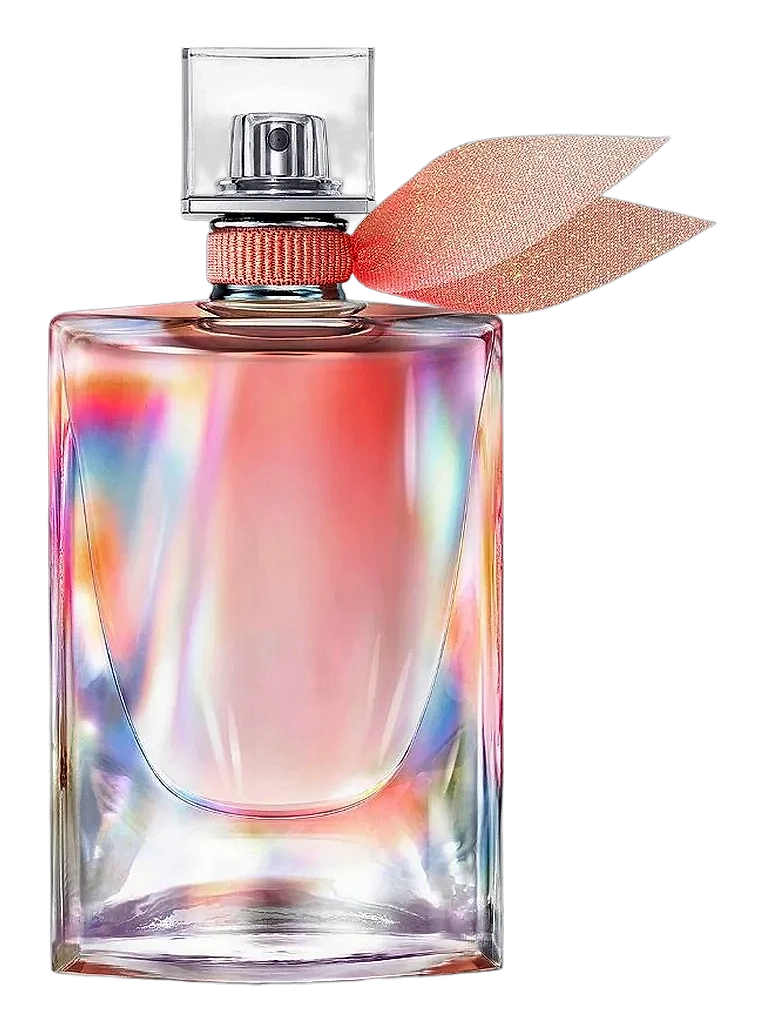
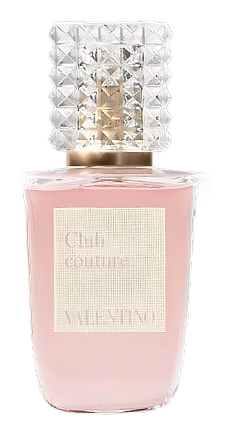
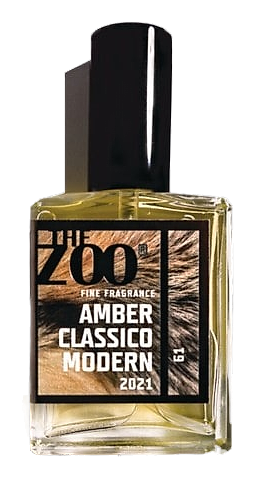
Fragrances featuring Balinese patchouli


Good to know
Questions, answered
The essentials on Balinese patchouli in perfumery: how it smells, where it comes from, and how it behaves on skin.
What makes Balinese patchouli different from other origins?
Balinese patchouli develops a sweeter, less camphoraceous character than Sumatran or Indian varieties. Volcanic soil and consistent humidity create slower leaf maturation, allowing more complex terpene development.
How is patchouli oil extracted in Bali?
Distillers use steam distillation in copper stills. Leaves wilt in sunlight, then undergo multiple distillation cycles. The process takes 6-8 hours per batch and requires roughly 50kg of dried leaves for 1kg of oil.
What does Balinese patchouli smell like?
Expect deep earthiness with chocolate and dried fruit undertones. The Indonesian terroir adds a distinctive honeyed warmth absent in lighter varieties. Base notes lean toward aged wood and light smoke.
Why is Indonesia the world's largest patchouli producer?
Indonesia produces approximately 90% of global patchouli oil, around 1500 metric tons annually. The climate and soil conditions across archipelago islands provide ideal growing conditions for Pogostemon cablin.
How long does patchouli oil age?
Undistilled patchouli oil improves significantly with age. Professional perfumers often store the material for 2-3 years, allowing harsh top notes to soften into the characteristic deep, rounded base familiar in classic fragrances.
Is patchouli cultivation sustainable?
Patchouli grows well as a companion crop in diversified farms. Traditional Balinese cultivation uses minimal synthetic inputs. Responsible producers rotate crops and maintain forest buffer zones to preserve soil health.
What part of the patchouli plant yields the oil?
Distillers extract oil exclusively from dried leaves. Stems and flowers contain negligible aromatic compounds. Harvest timing matters: leaves collected during dry season produce higher oil concentrations.
Can patchouli be replaced with synthetic alternatives?
Synthetics reproduce certain molecules like patchouli alcohol, but no artificial substitute captures the full complexity of natural patchouli. The natural material contains over 160 identified compounds that interact during dry-down.