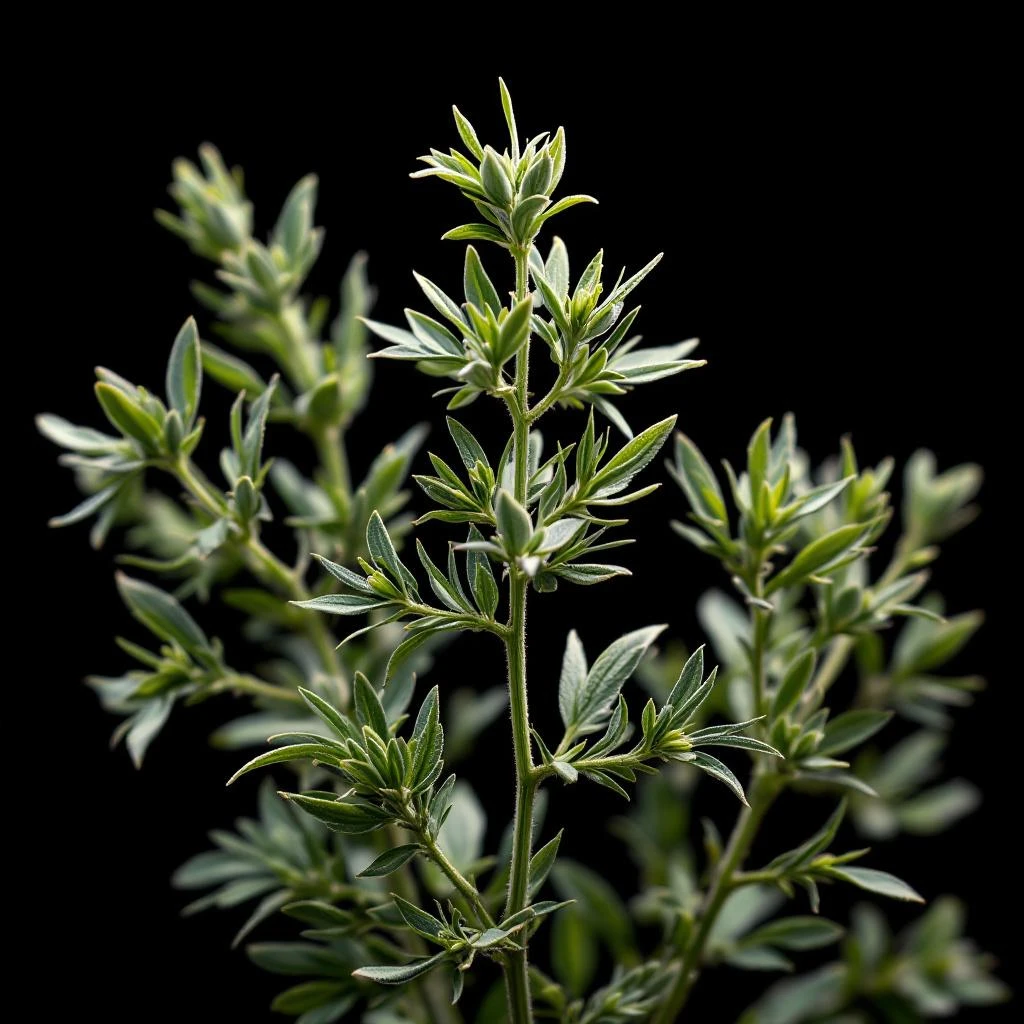
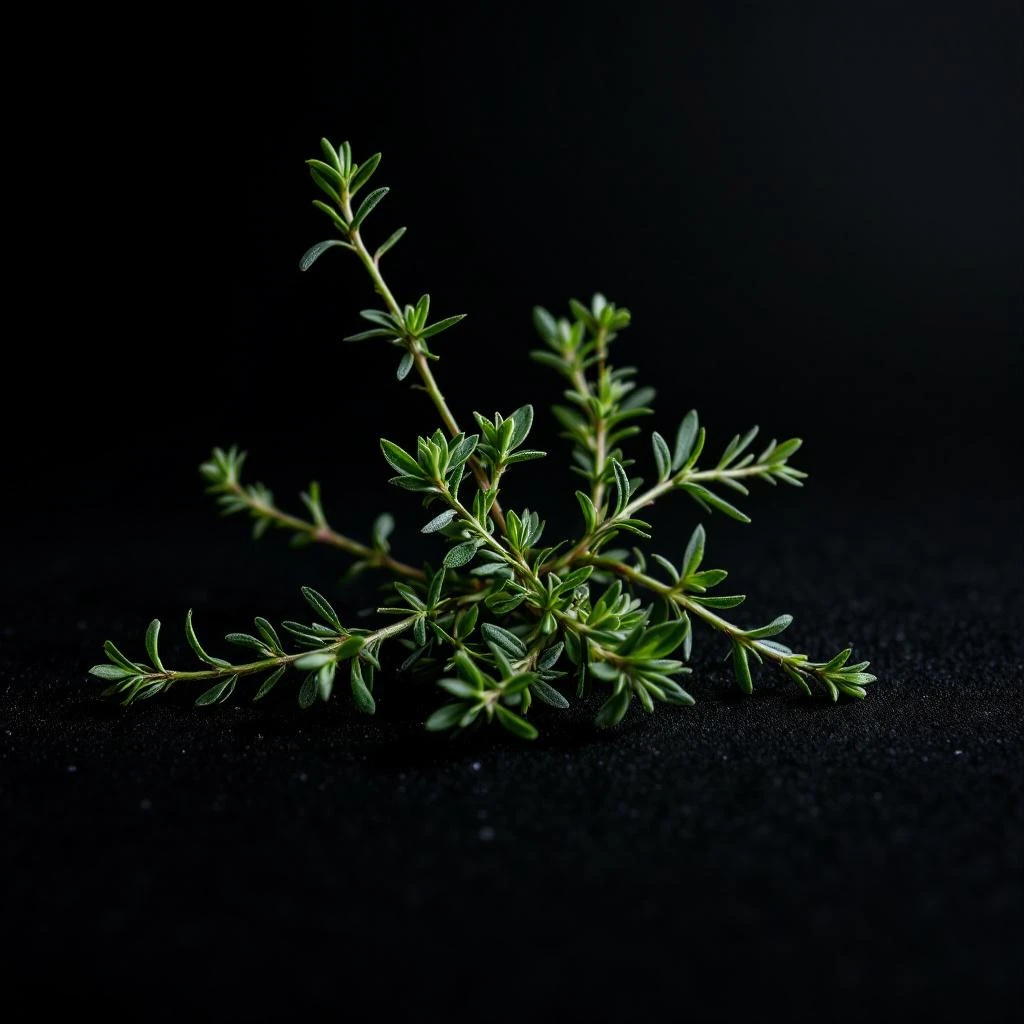
Baccharis Trimera
Baccharis trimera delivers a bitter, herbaceous character rarely found in modern perfumery. This South American shrub carries the wild essence of the Pampas into fragrance, offering green, slightly camphorated notes that anchor compositions with botanical authenticity.
Character
How it smells
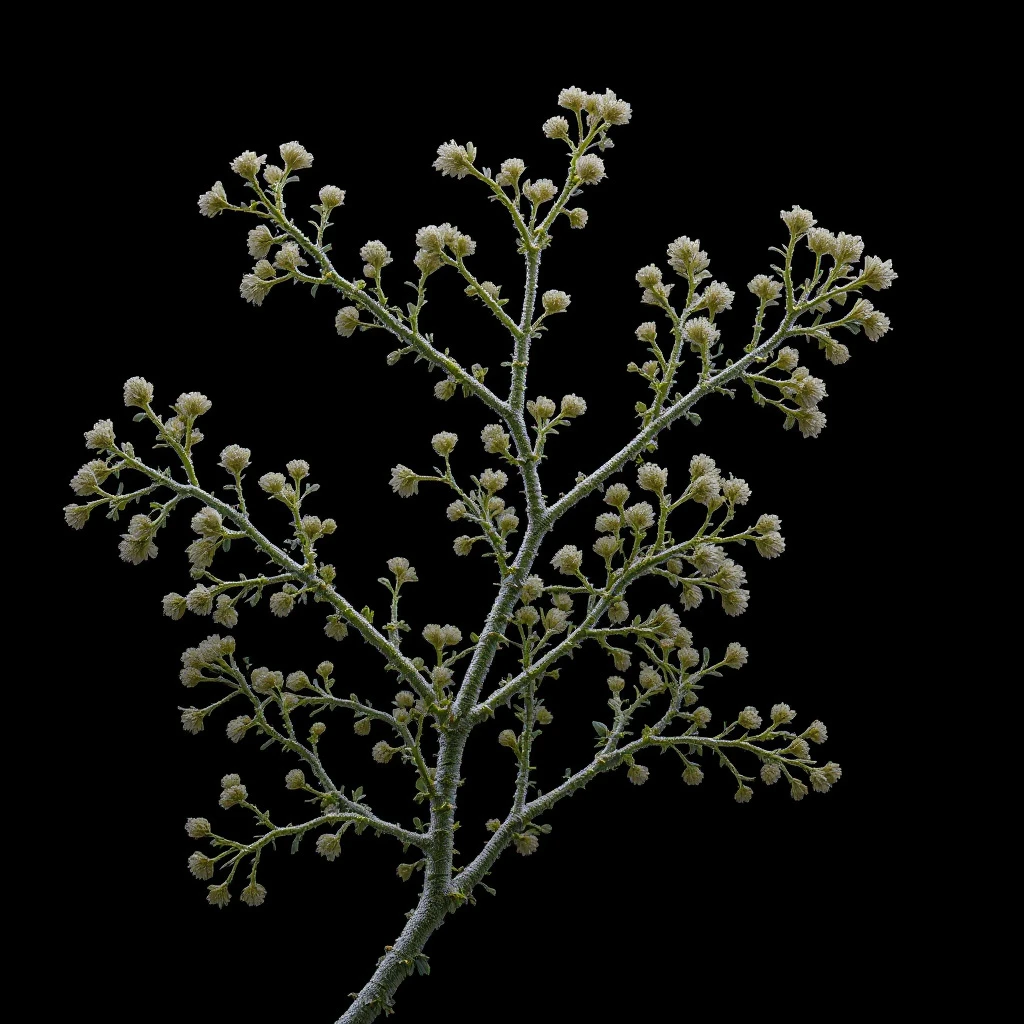
Wild bitter herbs from the South American plains
In traditional Brazilian medicine, carqueja supports digestive health. Fragrance chemists value its bitter compounds for adding depth to green compositions.
Pairs beautifully with

Origin
Brazil
Baccharis trimera has grown across the grasslands of southern Brazil, Argentina, Uruguay, and Paraguay for centuries. Indigenous Guarani peoples incorporated this bitter herb into medicinal preparations long before European contact.
Traditional healers used carqueja preparations for digestive complaints and liver support, passing this knowledge through generations. The plant earned its place in folk medicine systems throughout the Rio de la Plata region.
Its use in perfumery emerged more recently, as natural fragrance makers sought authentic botanical materials beyond traditional European and Middle Eastern ingredients. South American perfumers began exploring carqueja in the late 20th century, drawn to its unusual bitter-green character that could replace synthetic modifiers in certain compositions.
Wears it best
Fragrances featuring Baccharis Trimera
Brands
Brands known for Baccharis Trimera
Good to know
Questions, answered
The essentials on Baccharis Trimera in perfumery: how it smells, where it comes from, and how it behaves on skin.
What does Baccharis trimera smell like?
Baccharis trimera offers a bitter, herbaceous aroma with green, slightly camphorated undertones. It brings an astringent quality to fragrances, similar to artemisia but with a distinctly South American character.
Is Baccharis trimera commonly used in perfumery?
This ingredient remains relatively niche in mainstream perfumery. It appears more often in natural fragrance lines and artisanal creations that emphasize botanical authenticity over synthetic alternatives.
Where does Baccharis trimera grow?
The plant grows wild across the grasslands of southern Brazil, Argentina, Uruguay, and Paraguay. It thrives in the Pampas region and adjacent areas with subtropical climates.
How is Baccharis trimera oil produced?
Steam distillation of the aerial parts yields the essential oil. Distillers process dried plant material at carefully controlled temperatures to preserve the sensitive sesquiterpene lactone compounds.
What compounds give Baccharis trimera its scent?
Sesquiterpene lactones, flavonoids, and essential oil components contribute to its characteristic bitter-green aroma. These bioactive compounds also explain its traditional medicinal uses.
Does Baccharis trimera have traditional medicinal uses?
Traditional Brazilian medicine utilized carqueja for digestive support and liver health. Indigenous Guarani peoples incorporated it into healing preparations for generations.
Is Baccharis trimera sustainable to harvest?
Wild-harvested populations face pressure from agricultural expansion in the Pampas. Responsible sourcing programs increasingly cultivate the plant to protect wild stands.
Can Baccharis trimera replace synthetic bitter notes?
Its natural bitter-green profile makes it useful for reducing synthetics in certain fragrance types. Perfumers value it for natural compositions requiring authentic botanical depth.