Achyrocline Satureioides
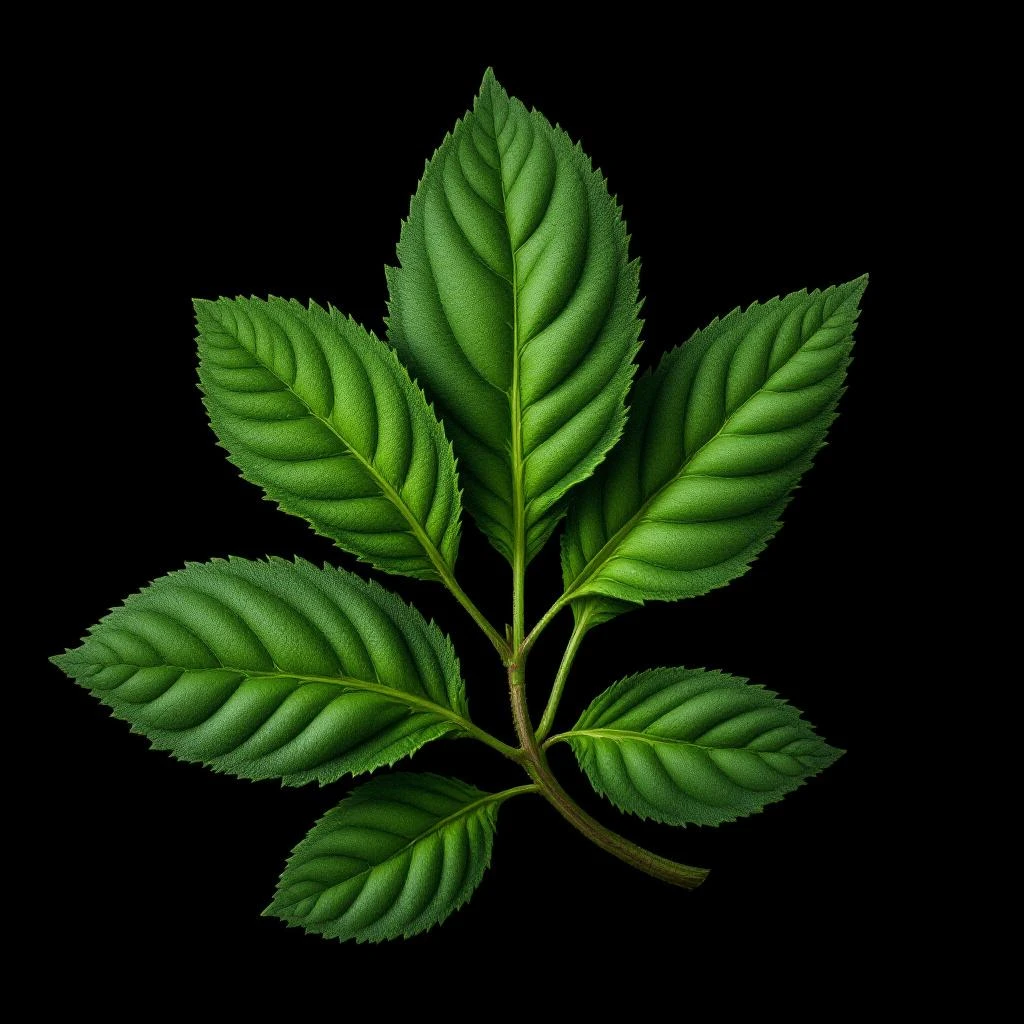
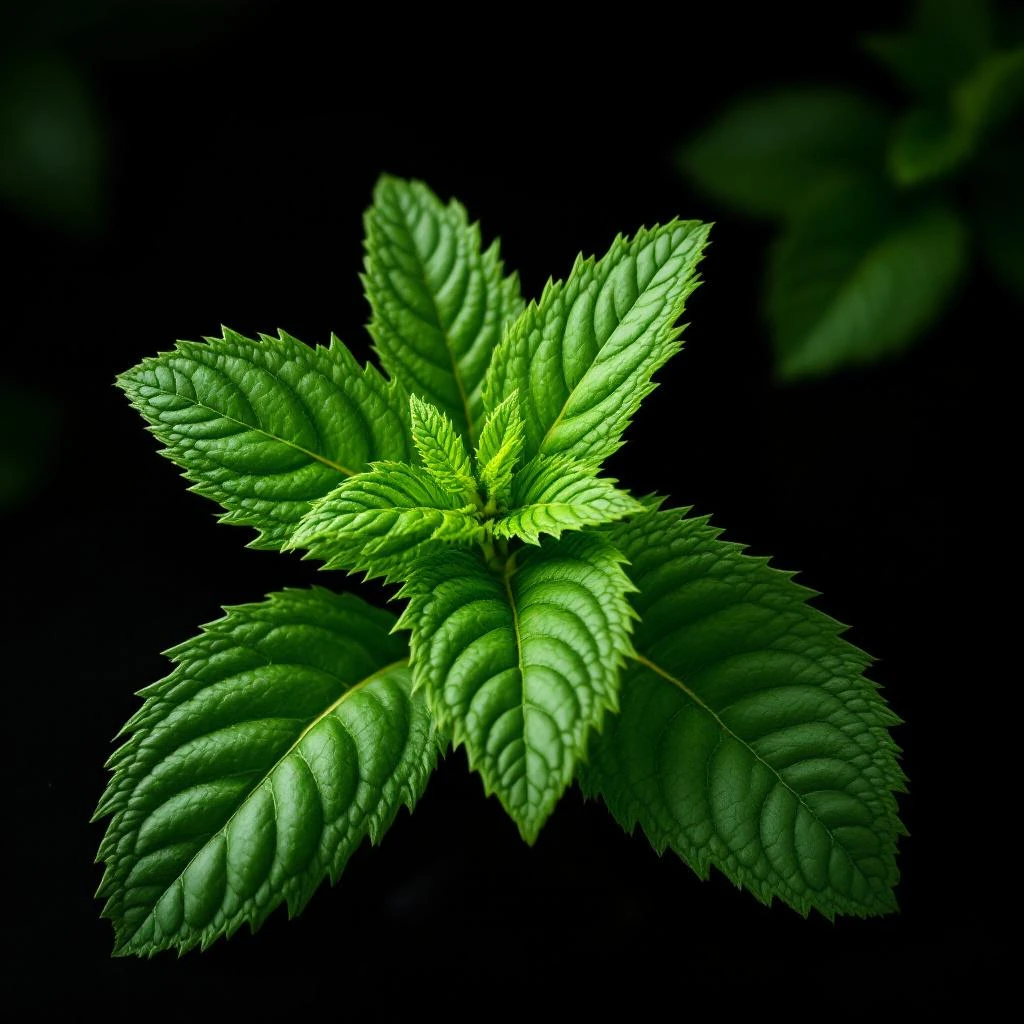
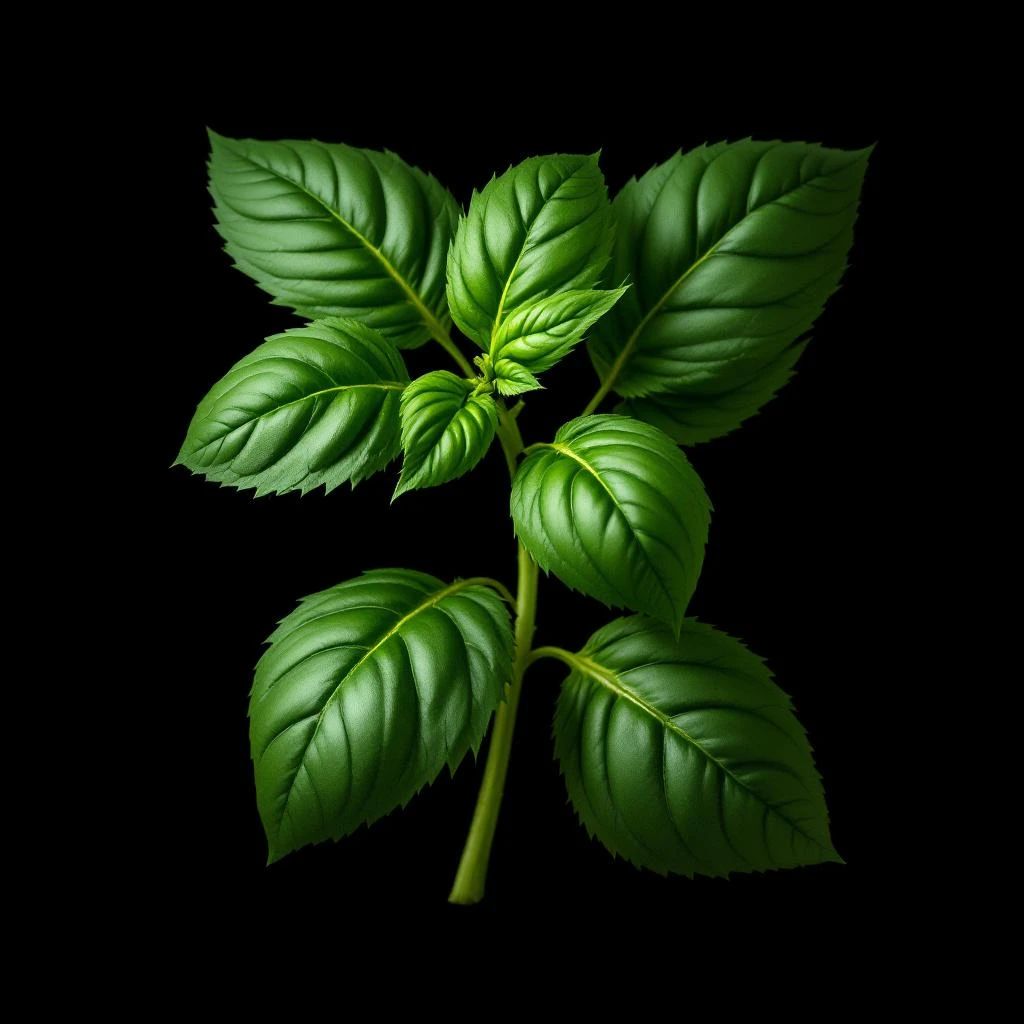
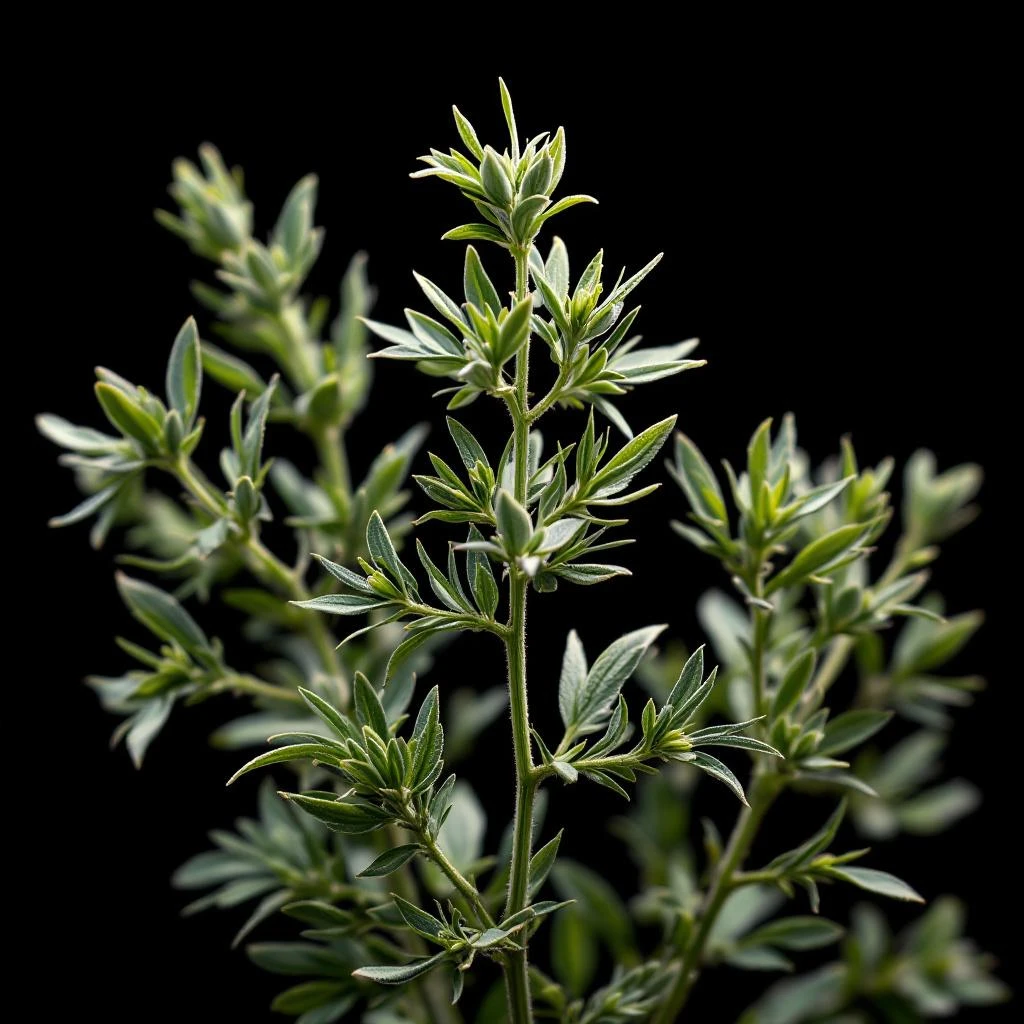
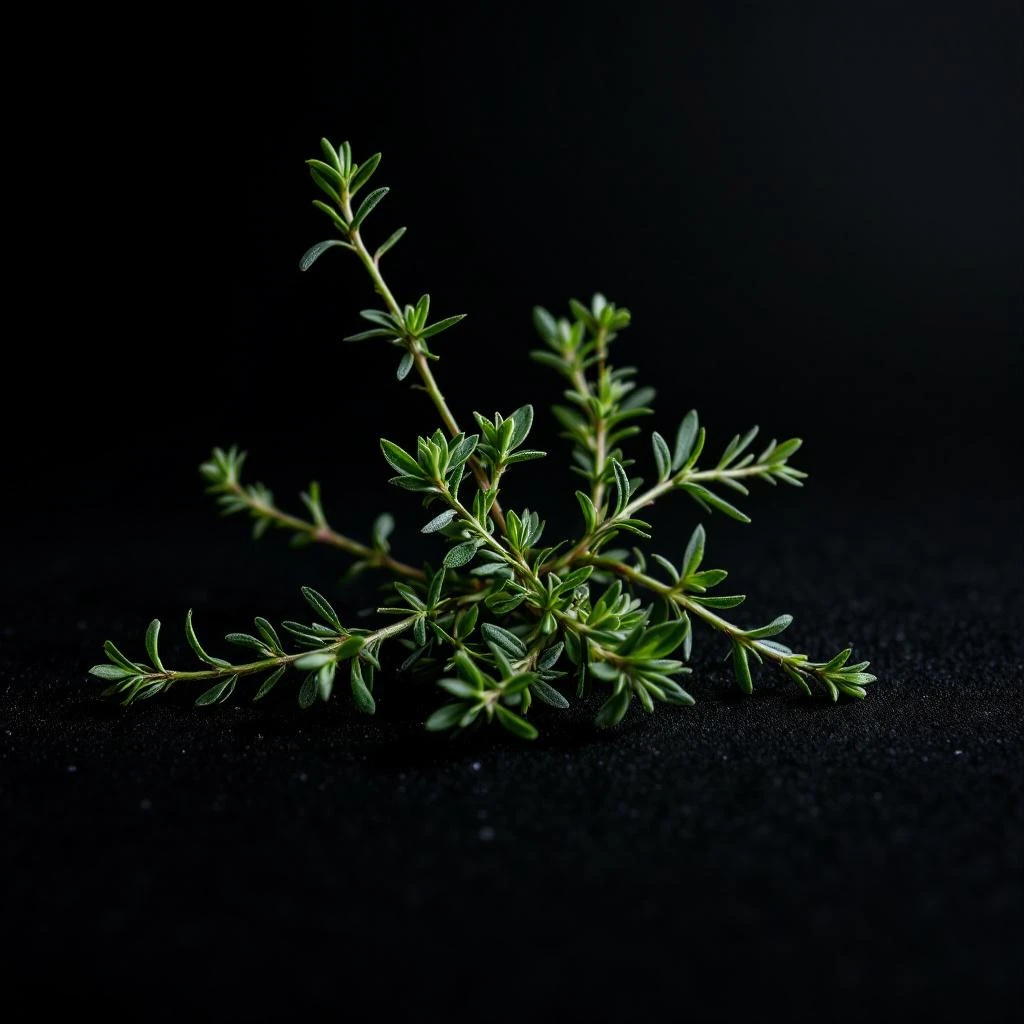
Achyrocline satureioides, commonly called Macela, is a South American herb whose flowers yield a warm, herbaceous extract used in fine fragrance for its earthy, slightly sweet botanical character.
Character
How it smells
South American herb with warm, herbaceous floral character.
YERBA MATE CONTAINS MACELA FLOWERS, A TRADITION IN SOUTH AMERICAN HERBAL CULTURE FOR CENTURIES.
Pairs beautifully with

Origin
Brazil
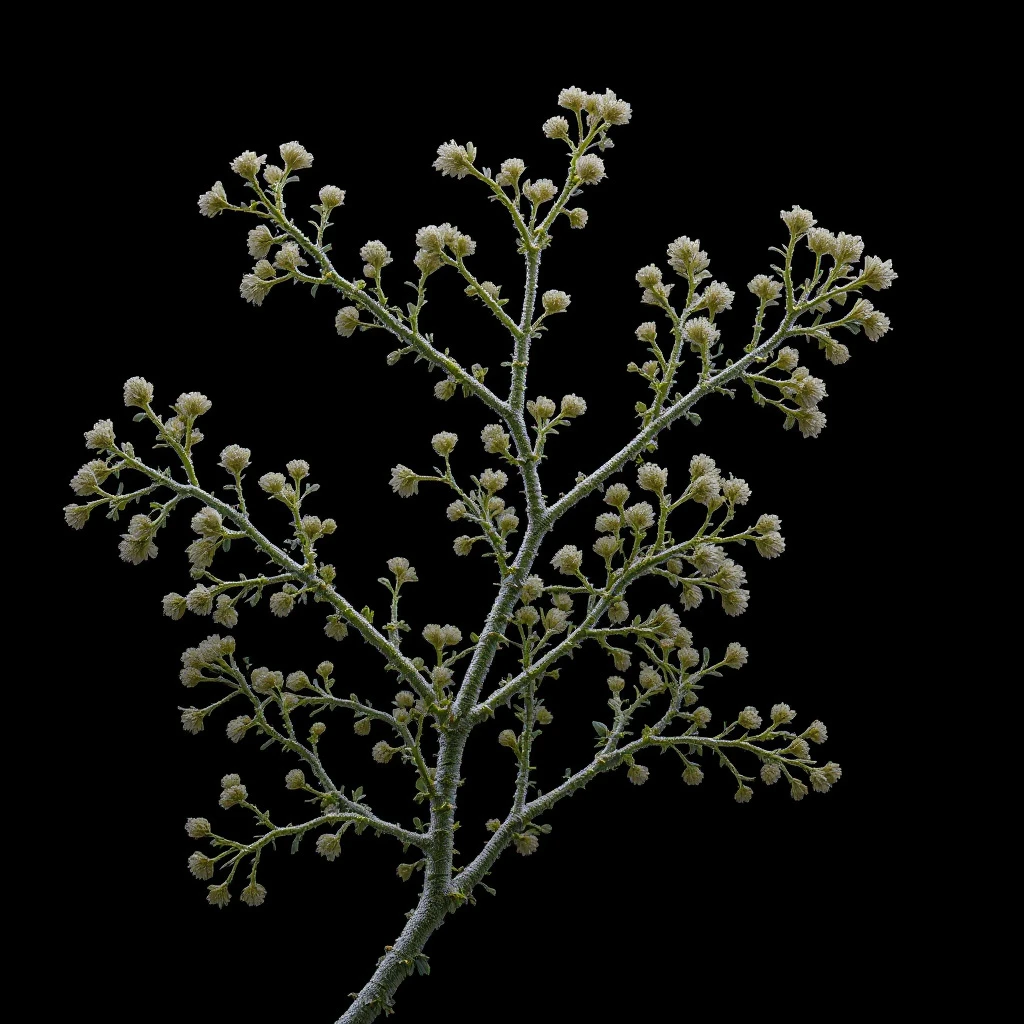
Achyrocline satureioides holds deep roots in the herbal traditions of Brazil, Argentina, Uruguay, and Paraguay, where indigenous Guarani peoples first documented its medicinal properties centuries before European contact. Known locally as Macela or Marcela, the plant became a staple in folk medicine across these regions, brewed as tea to address digestive complaints, inflammation, and skin conditions. Colonial-era settlers adopted these practices, integrating Macela into household remedies that persisted through generations.
The herb's aromatic qualities eventually drew attention from fragrance chemists in the early twentieth century, as perfumers sought new botanical materials beyond the established European and Asian ingredients. Mercosur trade agreements in the 1990s accelerated commercial cultivation and export, positioning Achyrocline satureioides as a signature South American note in niche fragrances today.
Wears it best
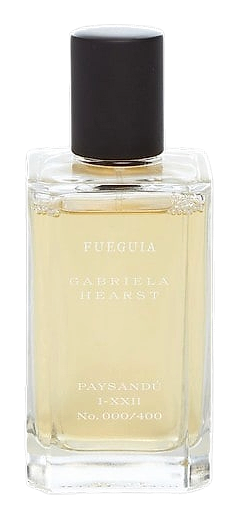
Fragrances featuring Achyrocline Satureioides
Brands
Brands known for Achyrocline Satureioides
Good to know
Questions, answered
The essentials on Achyrocline Satureioides in perfumery: how it smells, where it comes from, and how it behaves on skin.
What is Achyrocline satureioides?
Achyrocline satureioides is a flowering herb from the Asteraceae family native to South America, commonly known as Macela. Its flower extract appears in select fragrances for its warm, herbaceous, slightly sweet botanical character.
Where does this ingredient originate?
The plant grows wild across Brazil, Argentina, Uruguay, and Paraguay, with significant commercial cultivation in southern Brazil and Paraguay. Its native range spans the campos and subtropical highlands of these regions.
What is Achyrocline satureioides used for traditionally?
Indigenous Guarani peoples used Macela as a medicinal tea for digestive and inflammatory conditions. This tradition spread through colonial South America, and the herb remains a common household remedy throughout Brazil and neighboring countries today.
How is Achyrocline satureioides extract produced?
Flowers are harvested at peak bloom and processed using solvent extraction, typically with food-grade ethanol or similar polar solvents. The extract may be spray-dried into powder form for improved stability and easier incorporation into fragrance formulations.
What does this ingredient smell like?
Achyrocline satureioides extract presents a warm, herbaceous profile with earthy undertones and a subtle sweetness reminiscent of dried flowers and dried herbal tea. It functions as a grounding base-note component in fragrance compositions.
Is this ingredient safe for use in consumer products?
The ingredient appears on INCI lists for fragrance and cosmetic applications. As with any botanical extract, formulation chemists evaluate usage concentration and conduct safety assessments according to IFRA and regional cosmetic regulations before market release.
How is this ingredient identified in ingredient lists?
On product labels, it appears as Achyrocline satureioides flower extract or by its CAS registry number 92346-81-1. The INCI name identifies the specific flower-derived extract from the Asteraceae family.
What distinguishes this ingredient from other herbal extracts?
Its South American origin and Asteraceae botanical classification set it apart from common European herbs. The specific growing conditions and traditional processing methods used in Mercosur countries contribute to its distinctive volatile profile.