Arabic tobacco
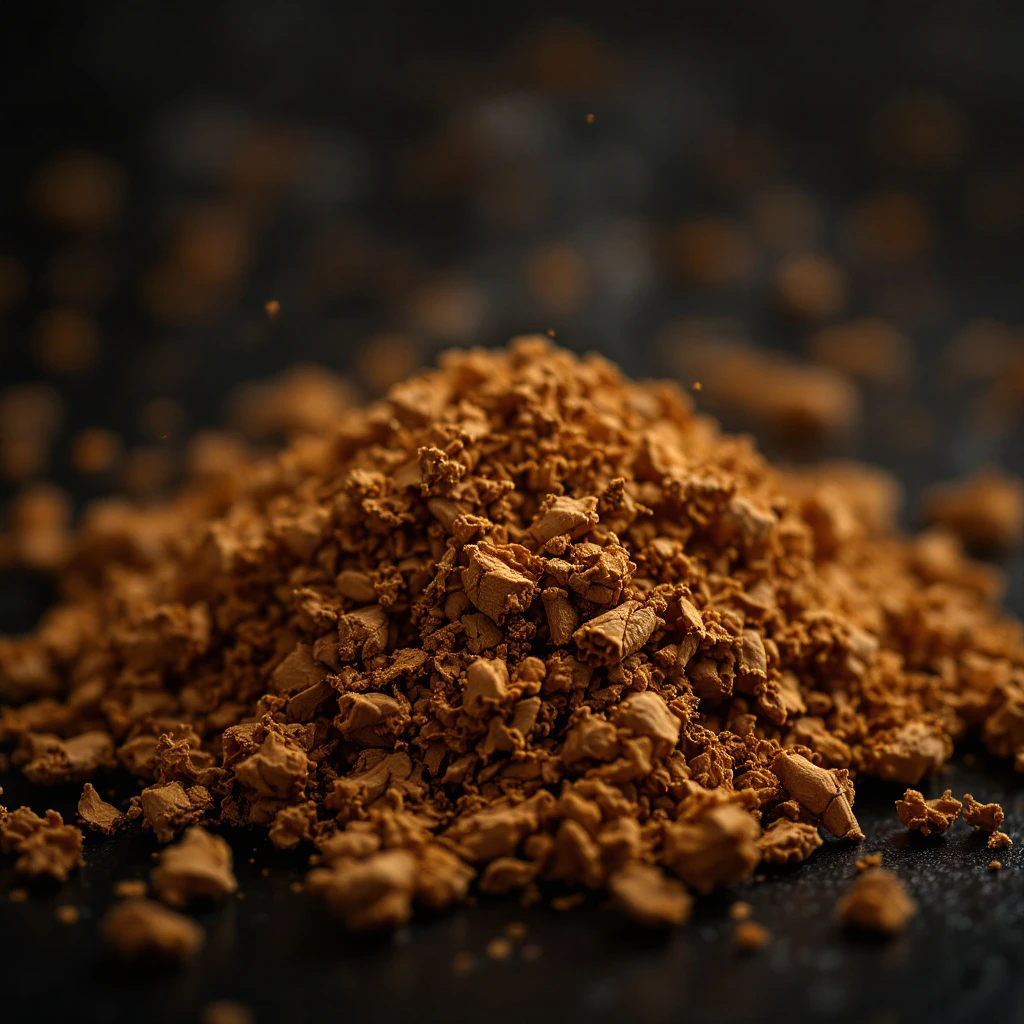
Warm amber light pools in amber glass. Instantly, the space fills with something grounding, smoky, resinous. A slow unfurling of Arabic tobacco: dry, aromatic, deeply human.
Character
How it smells
Sweet, honeyed, and unapologetically warm.
Arabic tobacco contains naturally occurring coumarin, giving it that sweet, warm character that makes it immediately different from bright Virginia tobacco.

Origin
Turkey
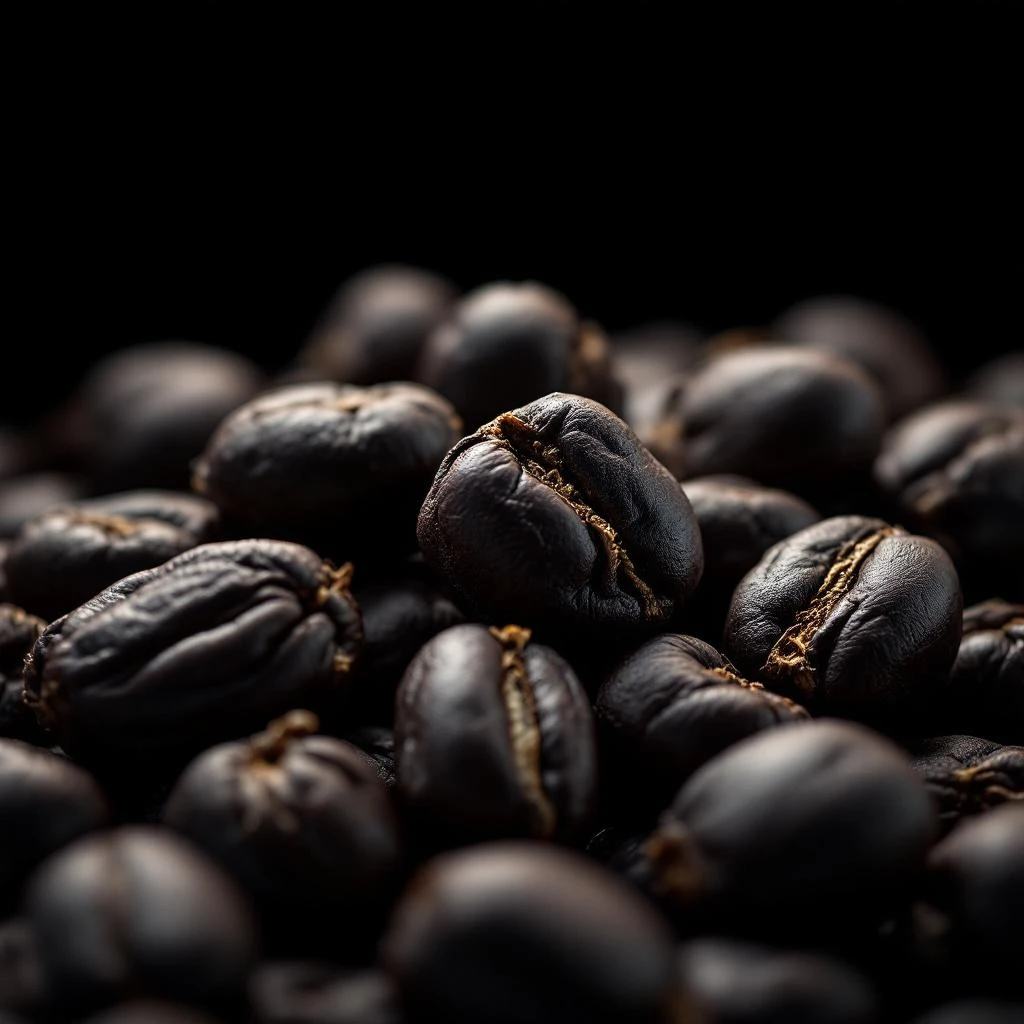
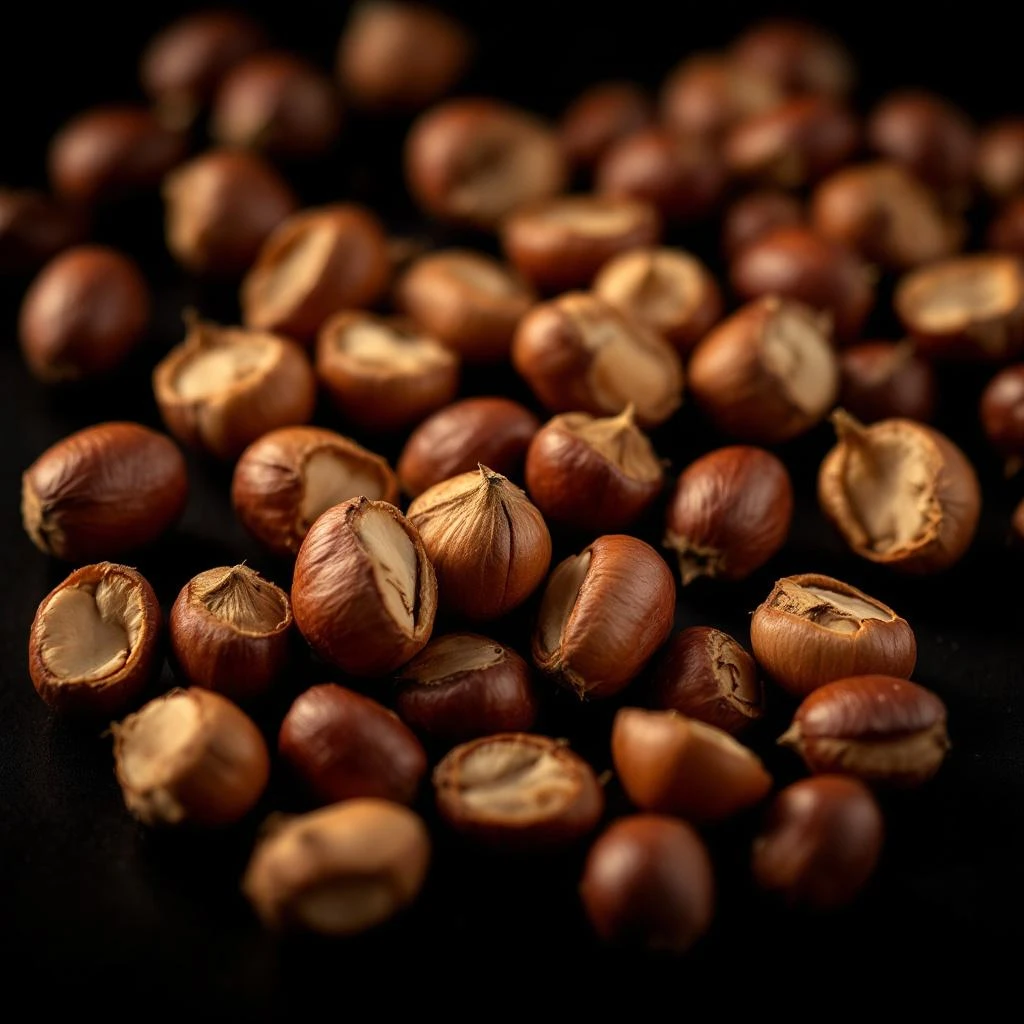
The Eastern Mediterranean has cultivated aromatic tobacco for centuries, with Izmir in Turkey emerging as the defining growing region. Trade routes connected these lands to ancient Mesopotamian and Egyptian civilizations, establishing the region as a perfume trade hub. Arabian perfumers developed distinctive techniques for incorporating tobacco into their compositions, creating warm, enveloping fragrances that marked status and hospitality.
The substance held dual cultural significance: revered in religious and social contexts alike. This heritage continues in contemporary perfumery, where Arabic tobacco remains a signature note in traditional regional fragrances.
Wears it best
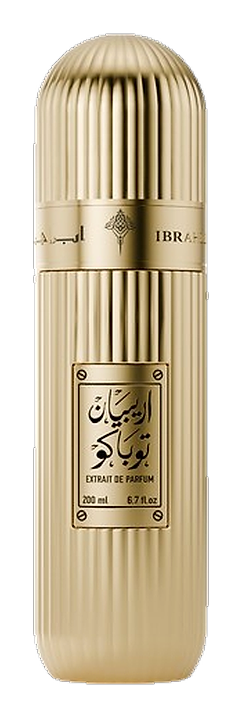
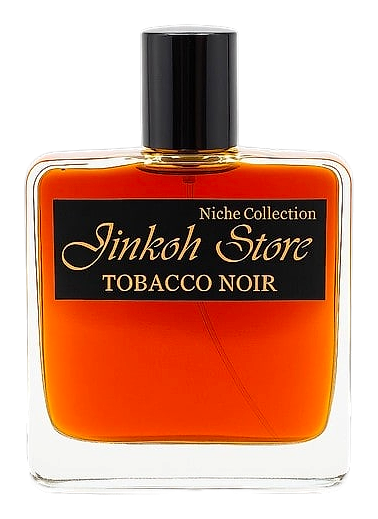
Fragrances featuring Arabic tobacco
Brands
Brands known for Arabic tobacco
Good to know
Questions, answered
The essentials on Arabic tobacco in perfumery: how it smells, where it comes from, and how it behaves on skin.
What is Arabic tobacco in perfumery?
Arabic tobacco is a type of sun-cured tobacco leaf used as a fragrance ingredient, primarily sourced from Turkey, Syria and Lebanon. It contributes warm, sweet, and leathery notes to perfumes, distinct from the bright character of American Virginia tobacco.
What does Arabic tobacco smell like?
Arabic tobacco offers warm sweetness with honey and dried fruit notes, complemented by leathery and hay-like nuances. It has an aromatic, slightly animalic quality that adds depth and sensuality to fragrance compositions.
Where does Turkish tobacco grow?
Turkish tobacco cultivation centers around Izmir, Turkey, along with growing regions in Lebanon and Syria. These regions provide the Mediterranean climate and traditional sun-curing conditions that develop the tobacco's signature aromatic profile.
How is Arabic tobacco different from Virginia tobacco?
Arabic tobacco is sun-cured while Virginia tobacco uses heat-curing. This produces Arabic tobacco's sweeter, more aromatic character with significantly lower nicotine. Virginia tobacco registers higher on the freshness scale with grassy, bright qualities.
Is Arabic tobacco used in modern perfumery?
Arabian perfumers frequently use Arabic tobacco absolute as a base and fixative note. It provides warmth, depth and lingering character to Oriental fragrances, traditional perfumes and contemporary Unisex compositions.
What fragrance families use Arabic tobacco?
Arabic tobacco appears in Oriental, Woody, and Leather fragrance families. It serves as a signature base note in Arabian attars and oil blends, while also featuring in Western designer fragrances that seek warm, exotic character.
Does tobacco absolute smell like cigarette smoke?
No, tobacco absolute smells nothing like cigarette smoke. It expresses honeyed sweetness with warm, dried-fruit and leathery qualities. The extraction process and careful formulation eliminate any burnt, smoky notes.
Has Arabic tobacco been used historically in perfumery?
Arabian perfumery traditions, developed over millennia from Mesopotamian and Egyptian roots, incorporated tobacco into ritual and personal fragrances. The Eastern Mediterranean trade networks distributed these perfumed preparations across the ancient world.