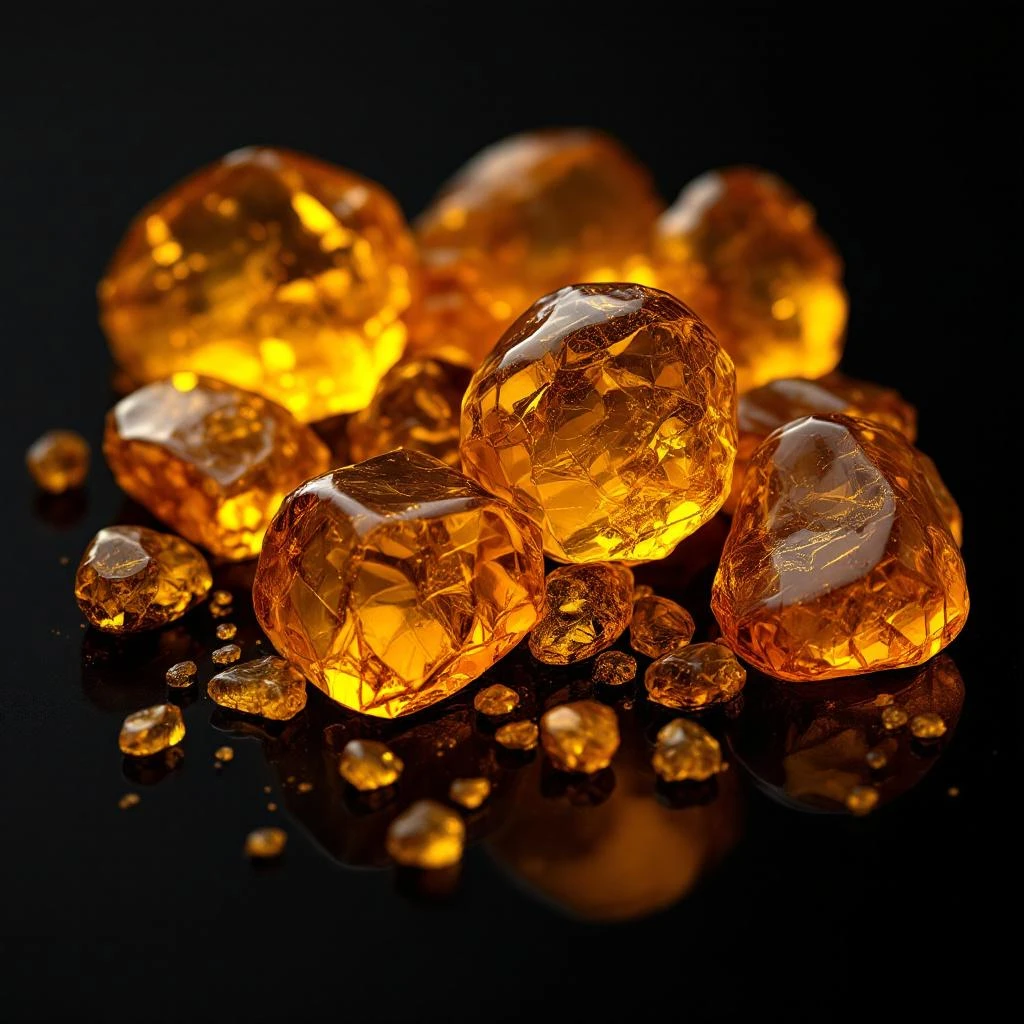
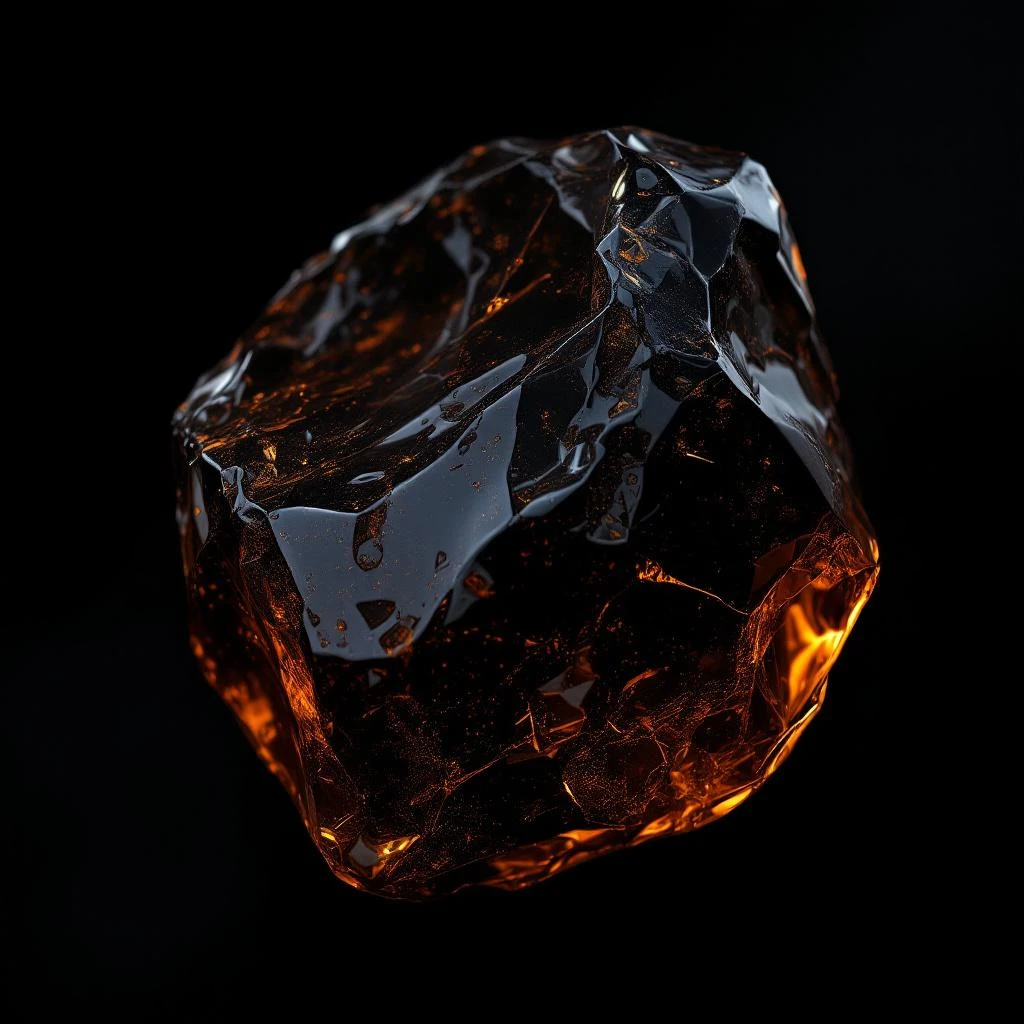
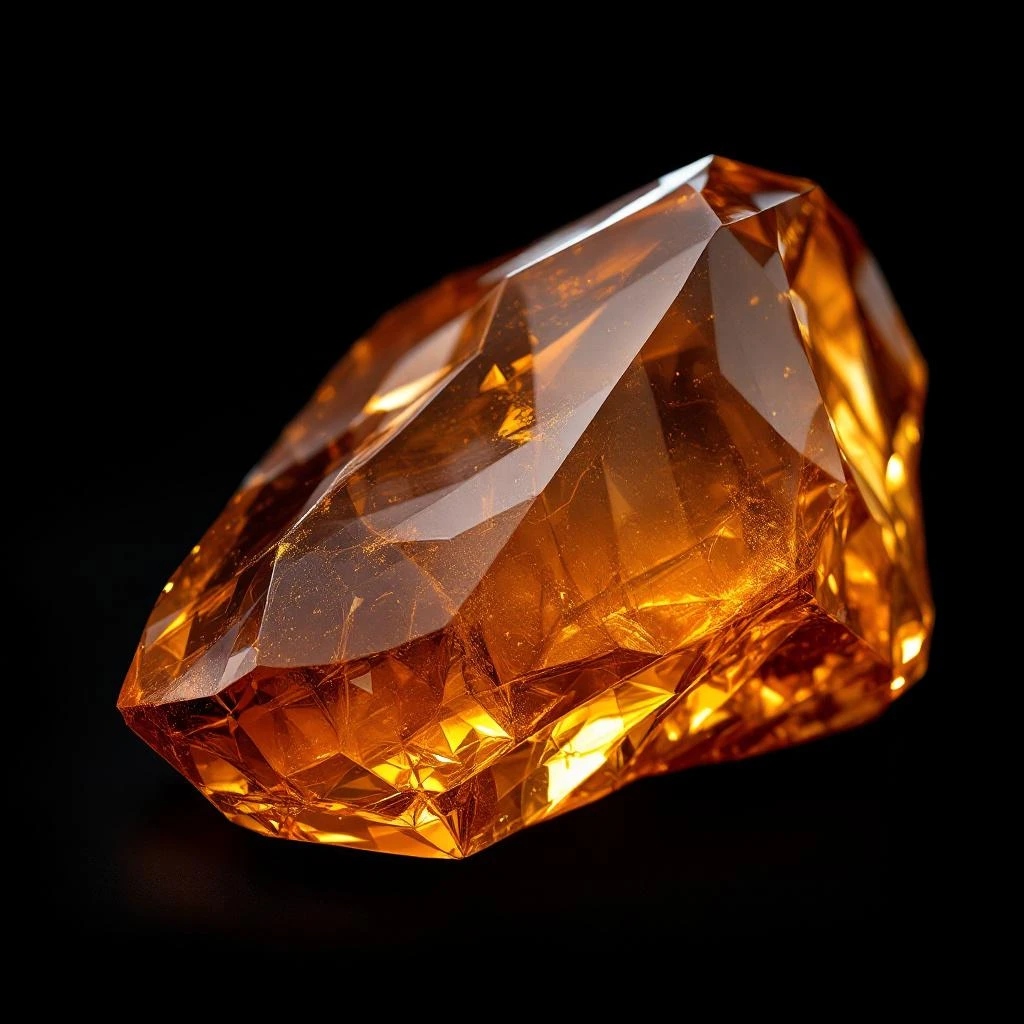
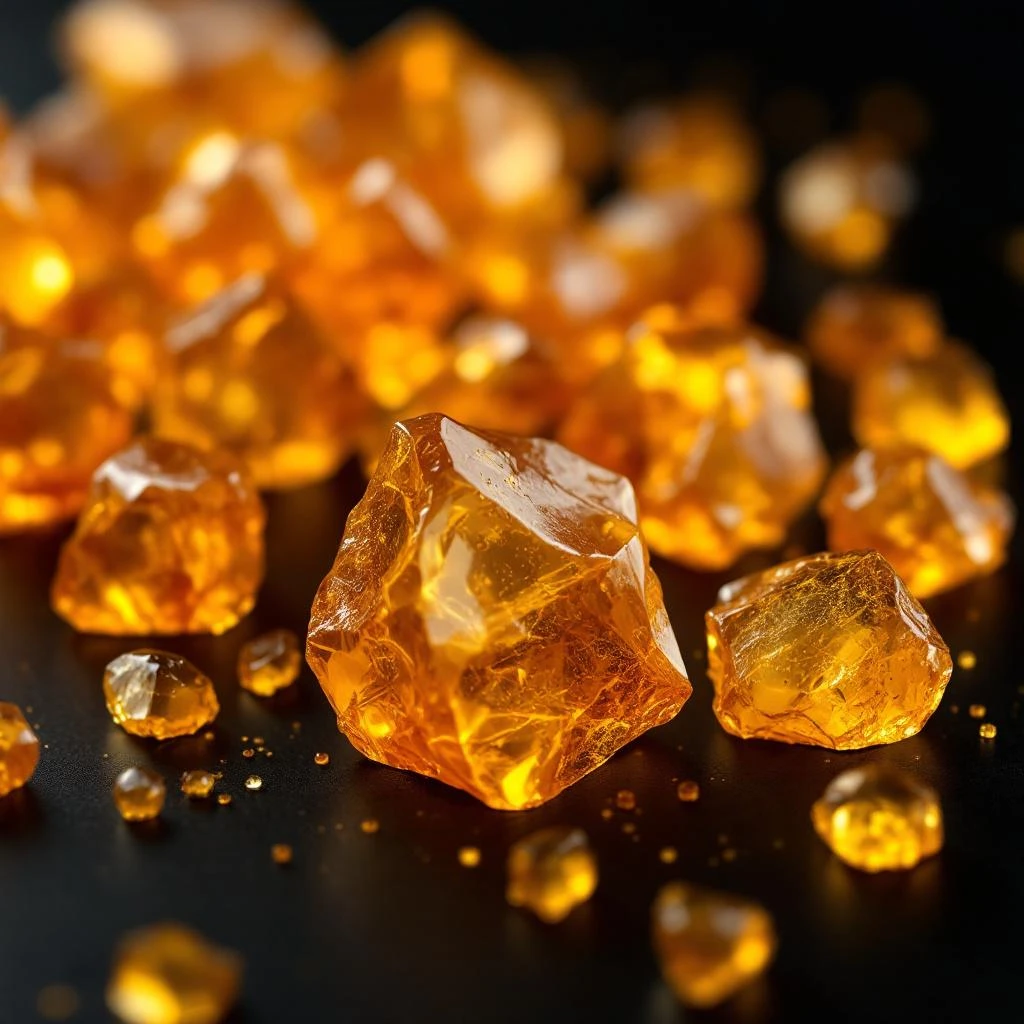
Ambermor
Ambermor is a premium aromatic base material renowned for its warm, complex profile that bridges marine and terrestrial scent families, creating olfactory depth that evolves gracefully on the skin.
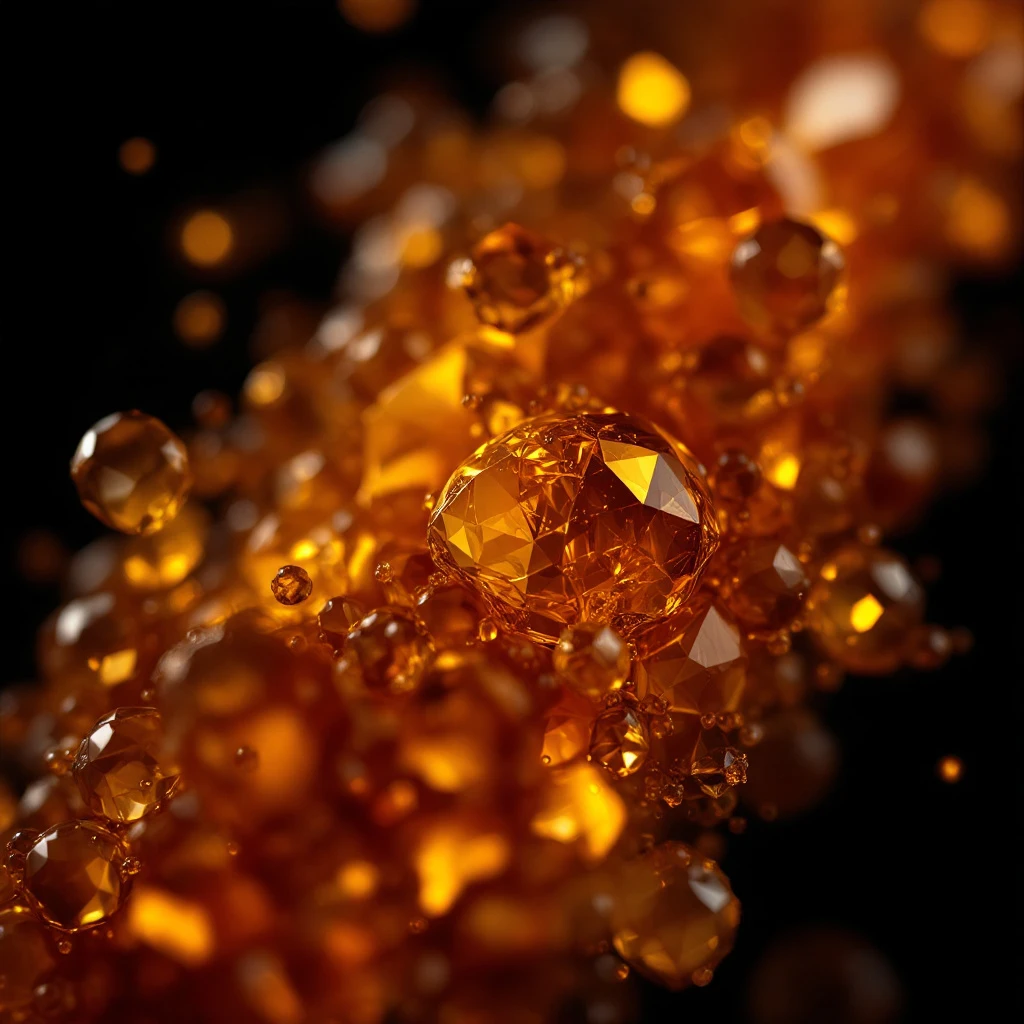
Character
How it smells
Ocean-born warmth, timeless elegance.
Ambermor was highly prized by Renaissance sailors who sometimes found it floating in the sea, earning it the nickname 'floating gold'.




Origin
Azores (Atlantic gather site)
Sperm whales have produced this substance for millions of years, with evidence of human use dating to at least the 9th century. Medieval Arab traders sold it as a medicinal ingredient alongside its perfumery applications. European court perfumers of the 17th and 18th centuries valued it highly for fixing lighter scent molecules, extending fragrance longevity.
Napoleon reportedly sent his Josephine a letter warning her not to wash before his arrival, likely referencing her ambergris-scented presence. The international whaling moratorium of 1987 dramatically reduced natural supply, accelerating development of synthetic alternatives now used in most modern fragrances.
Wears it best
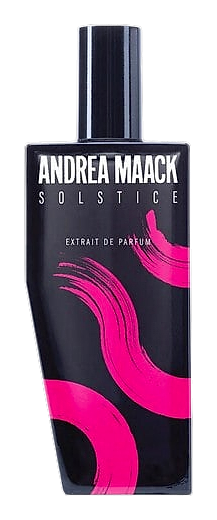
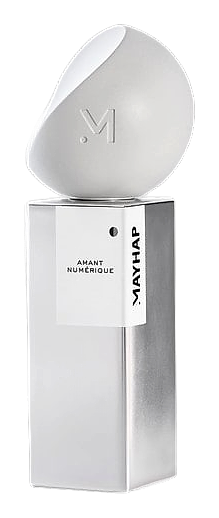
Fragrances featuring Ambermor
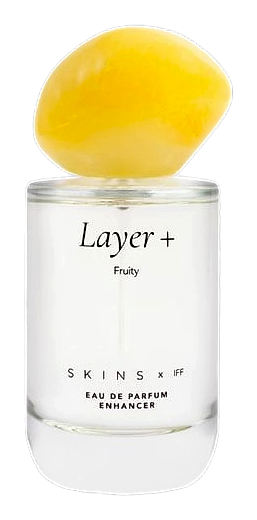
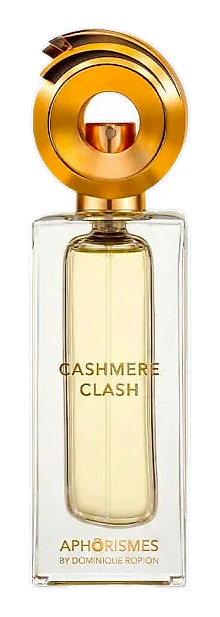
Brands
Brands known for Ambermor
Good to know
Questions, answered
The essentials on Ambermor in perfumery: how it smells, where it comes from, and how it behaves on skin.
What does Ambermor smell like?
Ambermor presents warm, sweet, slightly marine characteristics with fecal undertones in its raw state. Perfumers recognize notes of tobacco, earth, old wood, and a distinctive ambery sweetness that smooths harsh edges in fragrance compositions.
Is Ambermor sourced from whales?
Natural Ambermor originates from sperm whale secretions, but the 1987 whaling moratorium shifted most production to biotech synthesis. Modern perfumery relies primarily on lab-created equivalents that replicate the scent profile without marine mammal impact.
Why is Ambermor so valued in perfumery?
Ambermor functions as an exceptional fixative, slowing evaporation of lighter fragrance molecules. Perfumers value its ability to add depth and longevity, with reported performance extending to 24+ hours on skin and fabric.
How old must natural Ambermor be?
Optimal natural Ambermor spends 10-50 years floating in saltwater before collection. This extended aging oxidizes harsh compounds while developing the warm, complex sweetness prized in fine perfumery.
Can Ambermor be used in vegan fragrances?
Contemporary vegan and cruelty-free fragrances use synthetic Ambermor produced via biotechnology. These lab-derived materials offer identical olfactory characteristics without animal involvement.
What fragrance families commonly use Ambermor?
Oriental, amber, woody, and chypre families prominently feature Ambermor. Its versatility allows use across gender categories, appearing in roughly 40% of modern prestige fragrances.
How much Ambermor does a perfume contain?
Ambermor functions as a base note, typically comprising 5-15% of fragrance concentration. Even small percentages deliver substantial warmth and lasting power to the overall composition.
What substitutes exist for Ambermor?
Labdanum, benzoin, vanillin, and synthetic amber molecules like ambroxan serve as common alternatives. These materials provide similar warmth and fixative properties without natural Ambermor's sourcing challenges.