African Neroli
African Neroli captures the sun-drenched essence of bitter orange blossoms across North Africa. This steam-distilled oil delivers bright citrus-floral grace with green, slightly bitter undertones. A cornerstone of classic perfumery from Eau de Cologne to modern compositions.
Character
How it smells
Sun-drenched orange blossom from African groves
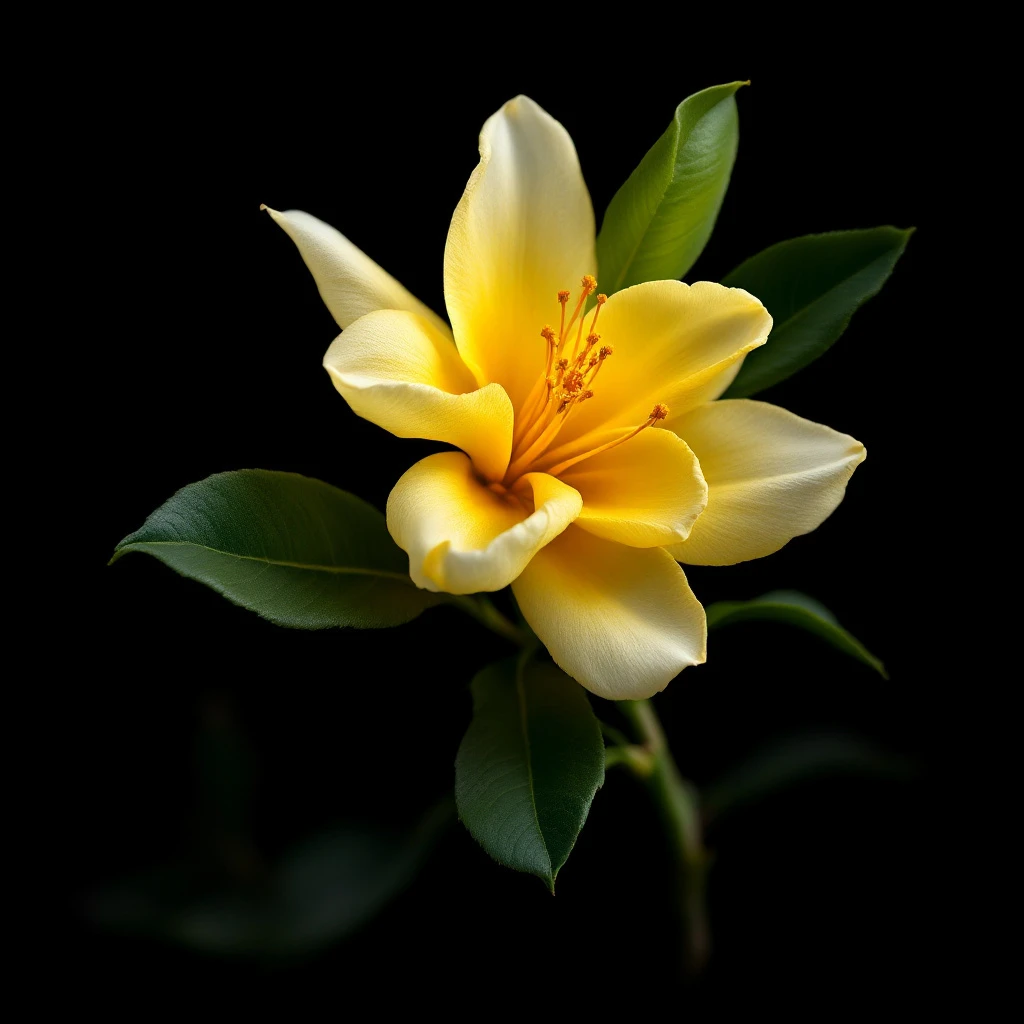
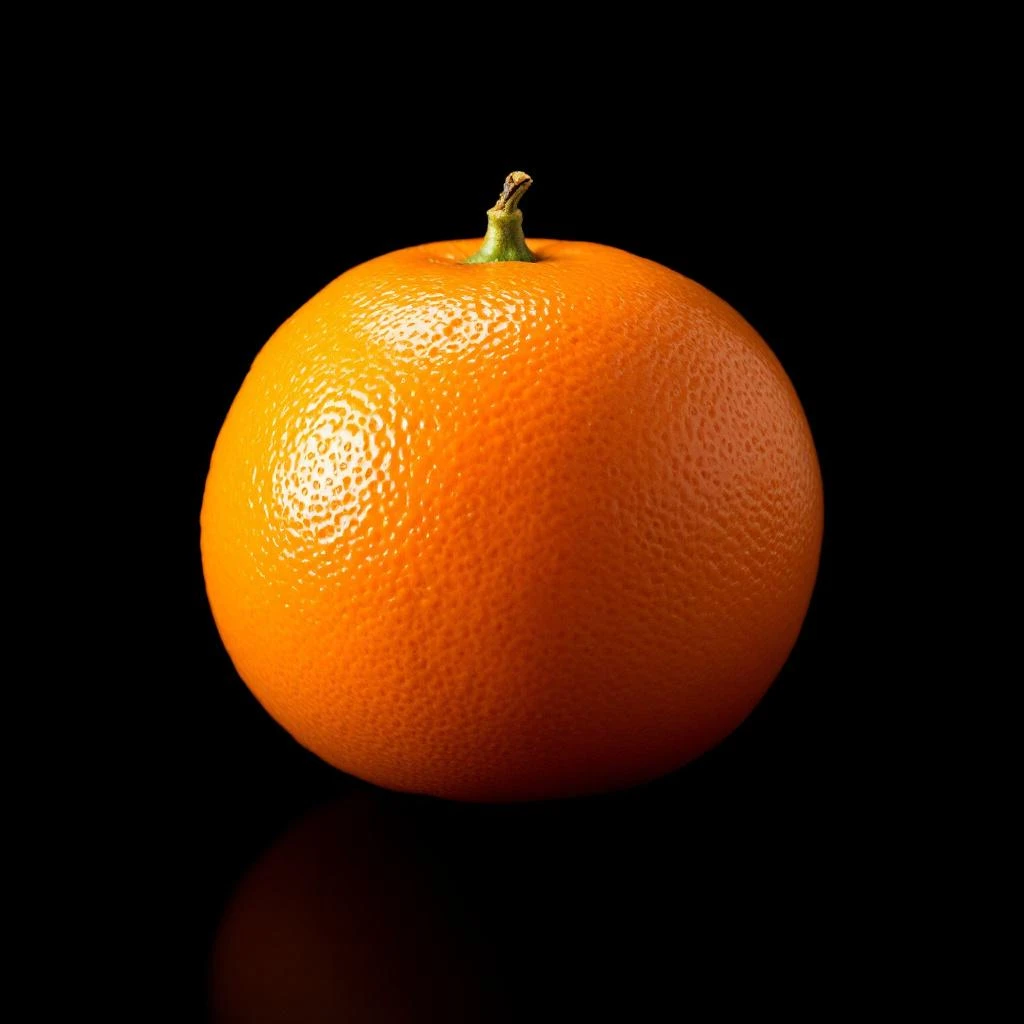
The bitter orange tree yields three celebrated perfume ingredients: neroli from distilled blossoms, orange blossom absolute via solvents, and petitgrain from leaf and twig.




Origin
Morocco
The bitter orange tree traces its origins to Southeast Asia, spreading westward through ancient trade routes to the Mediterranean and eventually across North Africa. Egyptians used orange blossom for spiritual and curative purposes as early as ancient civilization, while Persians likely developed early distillation techniques. Arabs perfected steam distillation methods during the medieval period, likely spreading neroli production to African territories under their control.
The ingredient arrived in Europe via trade networks, with Morocco and Egypt becoming established cultivation centers by the 17th century. European perfumers prized African-sourced neroli for its consistent quality and distinctive character. French colonial expansion and trade routes further established African regions as primary sources for neroli production, with particular growth during the 19th century when Cologne and French perfumers sought reliable suppliers.
Contemporary cultivation continues across North Africa, where Mediterranean climate conditions and traditional growing methods preserve the ingredient's historical character. Moroccan and Egyptian producers maintain family-owned groves and small-batch distillation operations that honor centuries of regional expertise.
Wears it best
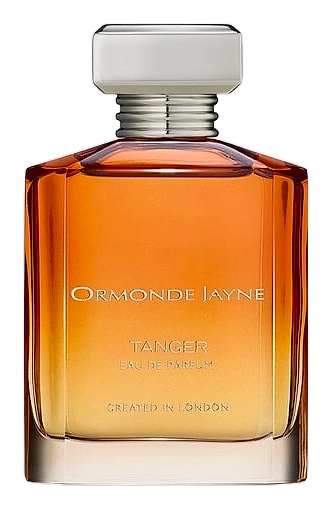
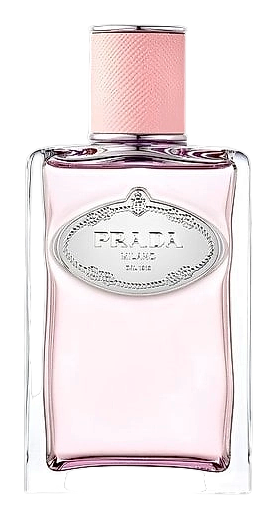
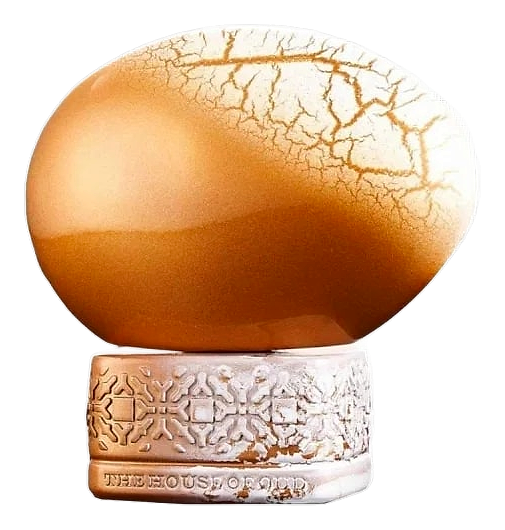
Fragrances featuring African Neroli
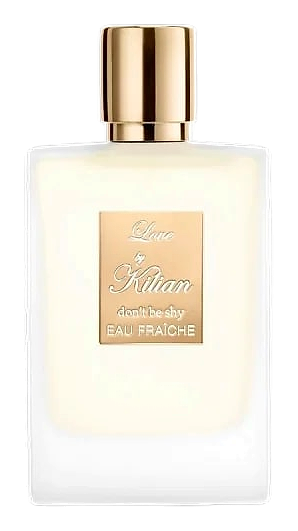


Brands
Brands known for African Neroli
Good to know
Questions, answered
The essentials on African Neroli in perfumery: how it smells, where it comes from, and how it behaves on skin.
Where does African Neroli originate?
African Neroli primarily originates from Morocco and Egypt, where Mediterranean climates and traditional cultivation methods produce blossoms with characteristic citrus-floral intensity. Morocco remains the primary source for African production.
What extraction method produces neroli oil?
Steam distillation extracts neroli from fresh orange blossoms. This process separates aromatic compounds from plant material using heated steam, yielding essential oil and neroli water. The method preserves delicate floral molecules that solvent extraction can alter.
How much blossom yield is needed to produce neroli oil?
Approximately 1 tonne of fresh bitter orange blossoms yields just 1 kilogram of neroli oil. This high ratio reflects the rarity and cost of genuine neroli, distinguishing it from synthetic alternatives or diluted formulations.
What does African Neroli smell like?
African Neroli presents fresh, ethereal florals with pronounced citrus and green facets. The scent includes bright orange blossom character, subtle herbaceous undertones, and a slightly bitter finish that adds complexity to fragrance compositions.
Which plant species produces neroli?
Neroli comes from the blossoms of Citrus aurantium var. amara, the bitter orange tree. This same species produces orange blossom absolute (via solvent extraction) and petitgrain (from leaves and twigs). Each product carries distinct olfactory characteristics.
What distinguishes African Neroli from other sources?
African Neroli typically exhibits brighter citrus and greener aromatic facets compared to other origins. Regional terroir, cultivation traditions, and distillation expertise in Morocco and Egypt contribute to its distinctive profile within the bitter orange blossom category.
Is neroli used in food or cosmetics?
Neroli appears across perfumery, cosmetics, and food applications. The International Fragrance Association approves neroli for cosmetic use. In culinary contexts, it flavors beverages, desserts, and confectionery. The ingredient carries a long history of safe use across industries.
Why is neroli considered precious in perfumery?
Neroli commands premium positioning due to its labor-intensive harvest—the short blooming season requires hand-picking at dawn—and substantial blossom requirements. The extraction ratio of approximately 1000:1 from blossom to oil reflects inherent rarity.