


The Story
Why it exists.
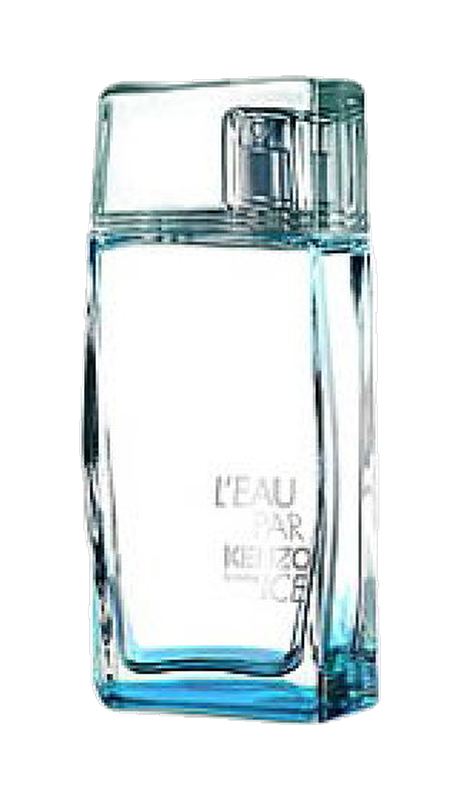
1996. Kenzo Takada had built an empire on color, pattern, and joyful collision. L'Eau Pour Femme arrived as a counterpoint,a breath of clean air in a house known for noise. Perfumer Ilias Ermenidis created something rare: a fragrance that refused to shout. The brief wasn't memorable in the typical sense. It was present without demanding. Three decades later, that clarity still reads as confidence.
If this were a song
Community picks
Weightless
Marconi Union
The Beginning
1996. Kenzo Takada had built an empire on color, pattern, and joyful collision. L'Eau Pour Femme arrived as a counterpoint,a breath of clean air in a house known for noise. Perfumer Ilias Ermenidis created something rare: a fragrance that refused to shout. The brief wasn't memorable in the typical sense. It was present without demanding. Three decades later, that clarity still reads as confidence.
The real work is in the restraint. Mint and ginger open bright but don't linger,the freshness is a greeting, not a statement. Freesia and peach keep the heart soft, feminine. Vanilla and lotus in the base add warmth without sweetness. It's the olfactory equivalent of walking into a room already at ease. No agenda. Just you.
The Evolution
The opening hits crisp and clear,mint, lemon, a whisper of ginger. Within minutes, the citrus retreats and the florals take over: freesia first, then peach blooming underneath. The drydown is where Kenzo shows their hand. What starts as a cool, almost clinical freshness slowly warms into something gentler. Lotus and vanilla absolute settle close to the skin, adding a softness that lingers 4-6 hours on most skin types. It projects best in the first hour, then becomes a skin scent,intimate, present without overwhelming. On fabric, it holds longer. The next morning, there's a faint trace, like the ghost of a good day.
Cultural Impact
L'Eau Pour Femme landed in the mid-90s, just as minimalist aesthetics were reshaping fashion. It became the antithesis of the heavy, sillage-monsters that dominated the decade before. This was freshness as a statement, restraint as confidence. It showed that you didn't need to fill a room to be present in it. The fragrance spawned countless imitators and established the template for what clean femininity could smell like.
The House
France · Est. 1970
Kenzo Parfums brings Japanese sensibility to French perfumery, creating fragrances that celebrate nature, youth, and cultural diversity. Founded by Kenzo Takada in 1970, the house blends meticulous Japanese craftsmanship with Parisian creative freedom, producing scents that feel fresh, optimistic, and unmistakably alive. Flower by Kenzo remains their iconic creation, a fragrance that literally invented the scent of a flower that has none.
The Creator
Ilias ErmenidisKenzo Takada founded his house in 1970, building an empire on clashing prints, bold colors, and an irreverent joy that was unmistakably Japanese yet globally embraced. The L'Eau line, launched in the mid-90s, represented a pivot toward minimalism that felt almost radical for a house built on maximalism. It worked. L'Eau par Kenzo became a quiet anchor for an otherwise loud brand,the scent equivalent of a deep breath.
If this were a song
Community picks
Like a piano left in a sun-drenched room. The opening notes ring clear,mint and citrus catching light. Then the melody slows, softens into something almost familiar, as if you've known this song your whole life. Gentle piano with subtle aquatic undertones, a composition that breathes rather than performs.
Weightless
Marconi Union