The Story
Why it exists.
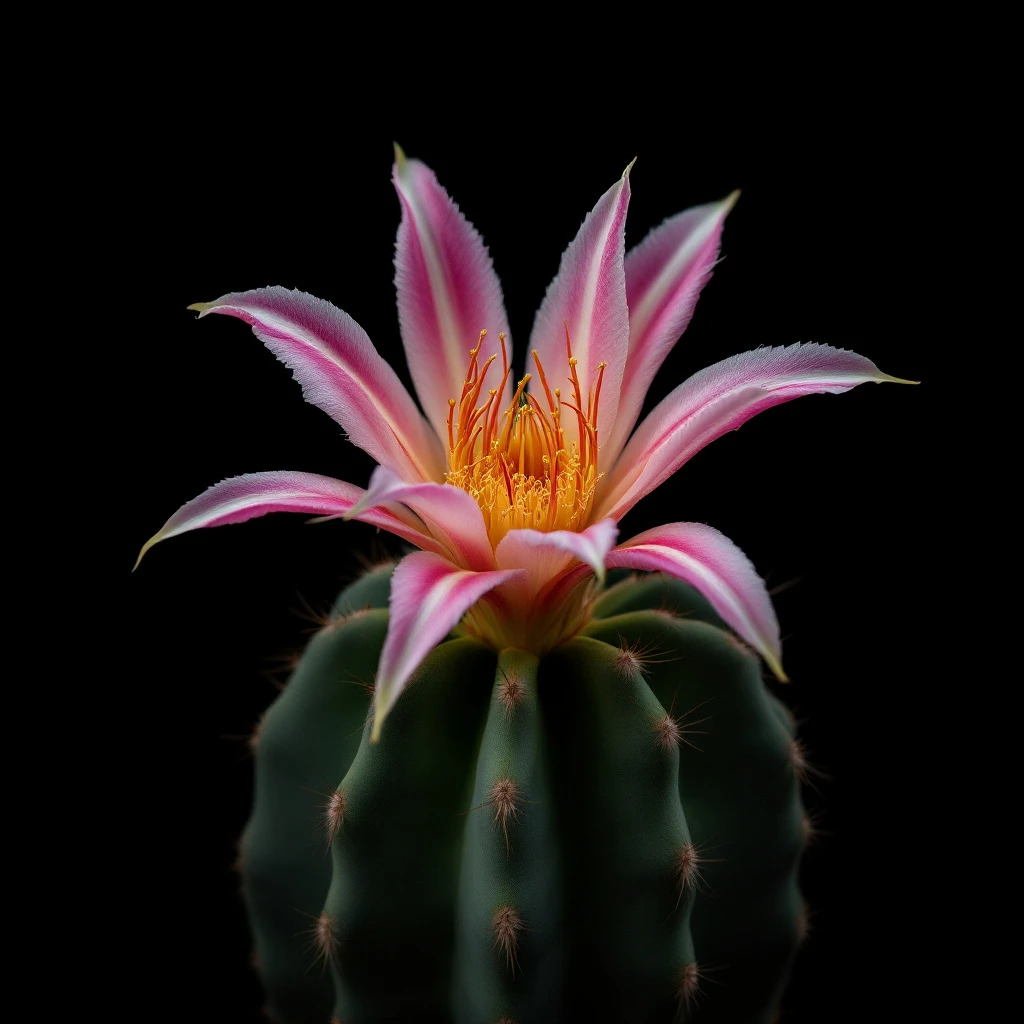
Daphné Bugey didn't reach for the obvious. When composing Boss Ma Vie Pour Femme, she had a brief: capture the spirit of a woman pausing to appreciate the small things. A walk home at dawn. Sun on her skin. The touch of a flower. That idea, "my life", became the name, and the cactus flower became the structural choice that sets this apart from the expected Boss catalogue. Hugo Boss had built decades of fragrance identity around male confidence. Ma Vie was the house's most deliberate statement about femininity, not the femininity of red carpets and evening wear, but the kind that lives in ordinary, unguarded moments. Bounding it in pink packaging and naming it after something as intimate as a life pause was a genuine shift in tone for a house more accustomed to tailored certainty.
If this were a song
Community picks
New Person, Same Old Mistakes
Tame Impala
The Beginning
Daphné Bugey didn't reach for the obvious. When composing Boss Ma Vie Pour Femme, she had a brief: capture the spirit of a woman pausing to appreciate the small things. A walk home at dawn. Sun on her skin. The touch of a flower. That idea, "my life", became the name, and the cactus flower became the structural choice that sets this apart from the expected Boss catalogue. Hugo Boss had built decades of fragrance identity around male confidence. Ma Vie was the house's most deliberate statement about femininity, not the femininity of red carpets and evening wear, but the kind that lives in ordinary, unguarded moments. Bounding it in pink packaging and naming it after something as intimate as a life pause was a genuine shift in tone for a house more accustomed to tailored certainty.
The cactus flower note is the telling choice here. It's unusual in women's fragrance, green, slightly succulent, with a freshness that reads as modern rather than romantic. The choice shapes everything that follows. By grounding the top in something green and unexpected, the pink florals that arrive in the heart feel earned rather than inevitable. Freesia, rose, and jasmine come together in a soft feminine trio, but the cactus spine holding them up keeps the composition from becoming saccharine.
The Evolution
The opening delivers a crisp, green freshness, the cactus flower announcing itself with surprising clarity. It's unfamiliar to many noses, which makes the first encounter memorable. Not loud, not aggressive, just present in a way that says this isn't going to follow the usual script. Then the florals begin their slow take over. Pink freesia leads, but the rose and jasmine are close behind, and together they soften the cactus edge into something warmer, more intimate. This is where the fragrance becomes distinctly feminine, the kind of scent that makes you lean closer to your own wrist. The transition isn't dramatic; it's like watching the light change in a room as the afternoon angles toward evening. As time passes, the woody base builds. Cedar emerges, not as an afterthought but as a foundation, giving the florals somewhere to rest without overwhelming them.
Cultural Impact
Part of the Boss Pour Femme line, which established a seasonal logic: Nuit for evening, Jour for the daytime professional, Ma Vie for the pause between roles. The fragrance was released in 2014. Gwyneth Paltrow appeared as the campaign face, lending her profile to the brand's feminine fragrance offerings.
The House
Germany · Est. 1924
Hugo Boss fragrances are the olfactory equivalent of their impeccably tailored suits: clean, confident, and unambiguously masculine. This is a house that doesn't whisper; it makes a clear statement of modern success. Its scents have become cornerstones of the male fragrance wardrobe for decades, defining a certain type of accessible, aspirational luxury.
If this were a song
Community picks
Boss Ma Vie Pour Femme sounds like late afternoon light through a window, soft focus, warm, unhurried. A playlist for the pause, not the performance. The kind of hour where the day is still yours.
New Person, Same Old Mistakes
Tame Impala