The Story
Why it exists.
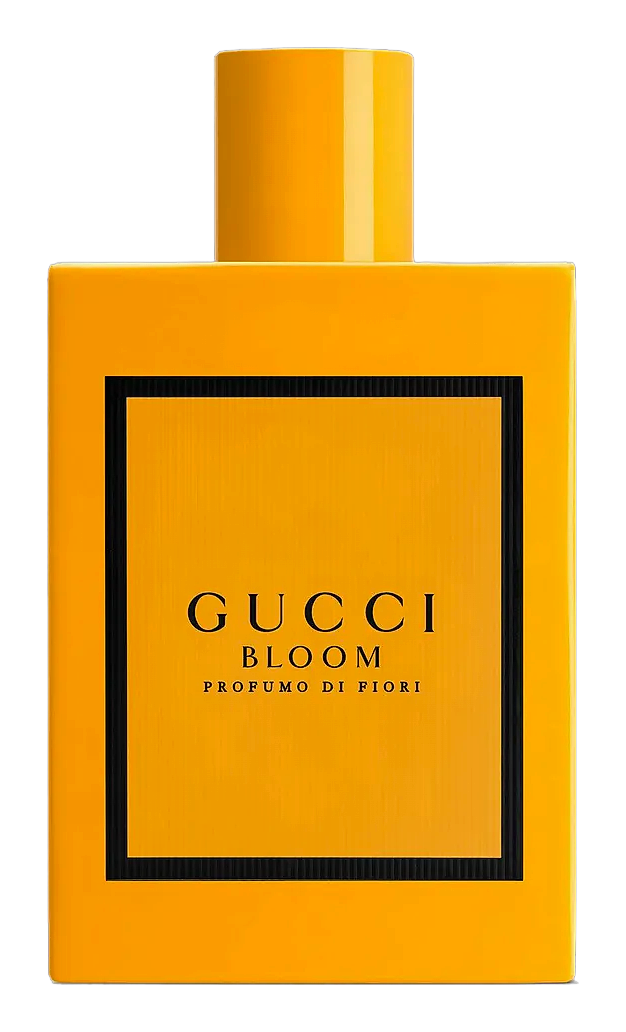
The Bloom line began when Alessandro Michele brought Alberto Morillas into his vision of a garden beyond the glass. Profumo di Fiori arrived in 2020 as the richer, more resinous extension of that original concept, not a relaunch, but an intensification. Morillas reached deeper into the white floral vocabulary: jasmine sambac absolute and tuberose pulled toward its fullest expression, developing the florals into something more commanding and unapologetic. The name itself carries instruction: this is the perfume version of a garden in full bloom, no restraint, no apology. Michele's creative direction shaped the campaign into a surrealist garden dream, starring figures like Florence Welch, part lyricist, part oracle, wandering through something that feels more real than actual gardens.
If this were a song
Community picks
Ship to Wreck
Florence + The Machine
The Beginning
The Bloom line began when Alessandro Michele brought Alberto Morillas into his vision of a garden beyond the glass. Profumo di Fiori arrived in 2020 as the richer, more resinous extension of that original concept, not a relaunch, but an intensification. Morillas reached deeper into the white floral vocabulary: jasmine sambac absolute and tuberose pulled toward its fullest expression, developing the florals into something more commanding and unapologetic. The name itself carries instruction: this is the perfume version of a garden in full bloom, no restraint, no apology. Michele's creative direction shaped the campaign into a surrealist garden dream, starring figures like Florence Welch, part lyricist, part oracle, wandering through something that feels more real than actual gardens.
What makes this work is the proportion. Tuberose is listed in most sources as the heart, but its weight and narcotic creaminess push it almost into the top notes, it arrives early and stays late. Jasmine sambac absolute tempers it with a honeyed sweetness that keeps the whole composition from tipping into screech. Ylang-ylang adds tropical warmth underneath, a pillow of sweetness that cushions the sharper white florals. The structure reads as one continuous bloom rather than distinct phases, which is unusual. Most fragrances pretend at linearity but deliver stages; this one actually achieves a living garden quality where the florals bleed into each other rather than handing off.
The Evolution
The opening is gentle, jasmine sambac arrives with a warm, honeyed register that feels like a garden without being literal. The honeyed quality of jasmine blends with creamy undertones, creating an impression of richness rather than sharpness. Then the tuberose pushes in. It does not arrive; it colonizes. The cream and honey of jasmine gives way to something headier, the slightly animalic quality of tuberose at full expression, the floral weight doubling down as the composition settles into its skin. The heart lingers on the skin, the florals deepening and intensifying as the scent develops, before the florals finally cede to the base. Benzoin resin, sandalwood, and soft orris take over, but this is not a dramatic shift. The drydown is warm and powdery, close to skin, the kind of presence that someone beside you notices before you do.
Cultural Impact
Gucci Bloom Profumo di Fiori sits within a specific contemporary register: the intensified designer white floral that captures the idea of garden without the restraint of classicism. The campaign's surrealist land that clashes with reality positions it as more fantasy than fashion accessory. Wearers consistently describe it as the scent of a garden in afternoon warmth, intimate rather than announcing, with community preference data from the fragrance community showing stronger usage in spring and summer months and in close-proximity settings.
The House
Italy · Est. 1921
Since 1921, Gucci has woven Italian craftsmanship into every facet of its creative identity. The House's venture into perfumery began in 1974, extending its Florentine heritage into olfactory form. Gucci fragrances capture the House's bold spirit: a collision of opulence and edge, tradition and provocation. From Gucci Envy's 1994 debut to the 2017 launch of Gucci Bloom under Alberto Morillas, each scent carries the House's signature audacity. Gucci Guilty Absolute (2025) continues this lineage, marrying intensity with unmistakable elegance.
If this were a song
Community picks
A garden in full afternoon light. Warm, hypnotic, slightly surreal, the kind of white floral that asks you to lean in rather than step back. Tuberose and jasmine carry the composition like a lyric that doesn't need to shout.
Ship to Wreck
Florence + The Machine