The Story
Why it exists.
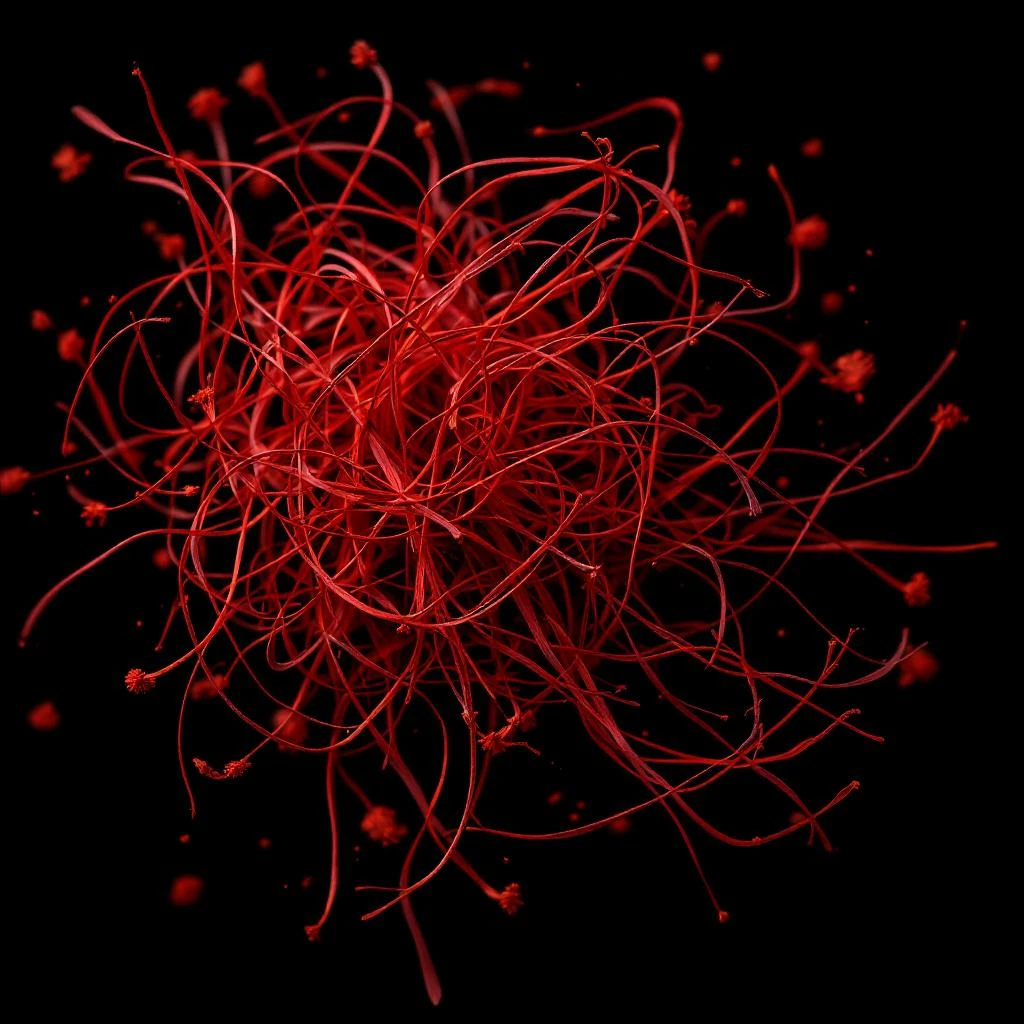
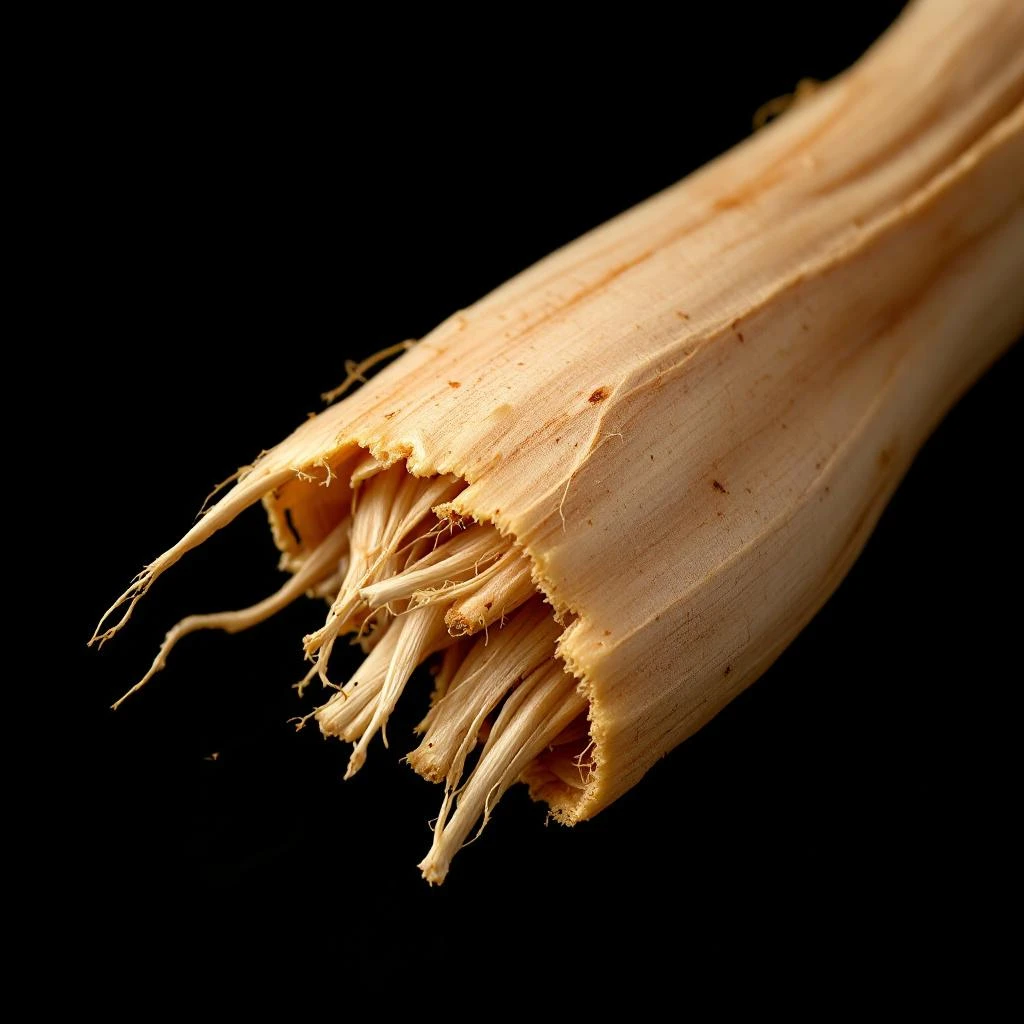
Parfum de Maroc was born from Mandy Aftel’s fascination with the legendary Moroccan spice blend Ras el Hanout, the “top of the shop” mixture that merchants reserve for their finest wares. Seeking to translate that heritage into scent, she selected saffron’s golden thread and the peppery zing of galanga as the opening, then paired a Turkish red rose with nutmeg to echo the blend’s floral‑spicy heart, anchoring the drydown with myrrh and cardamom for a lingering, resinous finish.
If this were a song
Community picks
Habibi (I Need Your Love)
Ahmed Chawki feat. Pitbull
The Beginning
Parfum de Maroc was born from Mandy Aftel’s fascination with the legendary Moroccan spice blend Ras el Hanout, the “top of the shop” mixture that merchants reserve for their finest wares. Seeking to translate that heritage into scent, she selected saffron’s golden thread and the peppery zing of galanga as the opening, then paired a Turkish red rose with nutmeg to echo the blend’s floral‑spicy heart, anchoring the drydown with myrrh and cardamom for a lingering, resinous finish.
The choice of saffron and galanga isn’t decorative; both are key components of authentic Ras el Hanout, delivering a bright, almost metallic sparkle that instantly signals quality. Rose, harvested in Turkey, adds a velvety, slightly animalic nuance that balances the nutmeg’s warm spice, while myrrh and cardamom provide a resinous depth reminiscent of incense‑laden souks, turning the perfume into a miniature market stall captured in glass.
The Evolution
The first impression is a flash of saffron’s honeyed fire, instantly brightened by galanga’s sharp, ginger‑like bite that feels like a market stall’s open flame. Within minutes the rose emerges, soft yet assertive, its petals brushed with nutmeg’s sweet heat, creating a heart that feels like a silk scarf draped over a spice‑laden table. As the top fades, myrrh settles in, laying down a warm, balsamic veil that clings to skin, while cardamom adds a lingering, slightly citrus‑green edge, keeping the drydown fresh. The overall arc lasts about four to six hours, with the resinous base lingering on the wrist long after the rose recedes, leaving a faint, comforting ember of spice that invites a second sniff.
Cultural Impact
Parfum de Maroc reflects a dialogue between Moroccan spice markets and Western natural‑perfume traditions, echoing centuries of trade routes that carried saffron and exotic botanicals across continents. By emphasizing traceable, sustainably sourced ingredients, the fragrance supports local growers and highlights the cultural importance of preserving heritage crops. Its subtle yet persistent aroma invites wearers to consider the stories behind each note, fostering a deeper appreciation for the artisans who harvest and process these materials. In contemporary perfumery, the scent serves as a bridge, connecting modern minimalist aesthetics with the rich, communal rituals of spice preparation that have defined Moroccan culinary and social life for generations.
The House
United States · Est. 2000
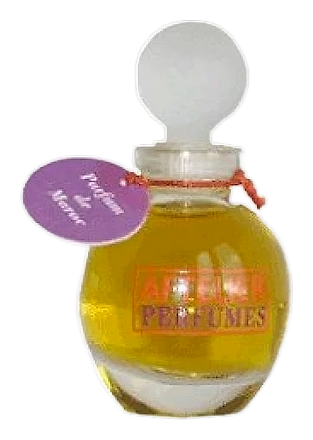
Aftelier Perfumes is a Berkeley‑based atelier that builds scents from natural ingredients harvested around the world. Founder Mandy Aftel translates botanical extracts, resins and animalic notes into single‑note or minimalist blends that invite quiet contemplation. The house favors transparent labeling, small‑batch production and a museum‑like archive that invites visitors to explore the history of scent. Each fragrance arrives in a clear glass vial that showcases the liquid’s natural hue, reinforcing the brand’s commitment to purity and education.
If this were a song
Community picks
A warm, spice‑laden melody that feels like a late‑evening market, with a rose‑tinged thread weaving through the rhythm.
Habibi (I Need Your Love)
Ahmed Chawki feat. Pitbull