

The Story
Why it exists.
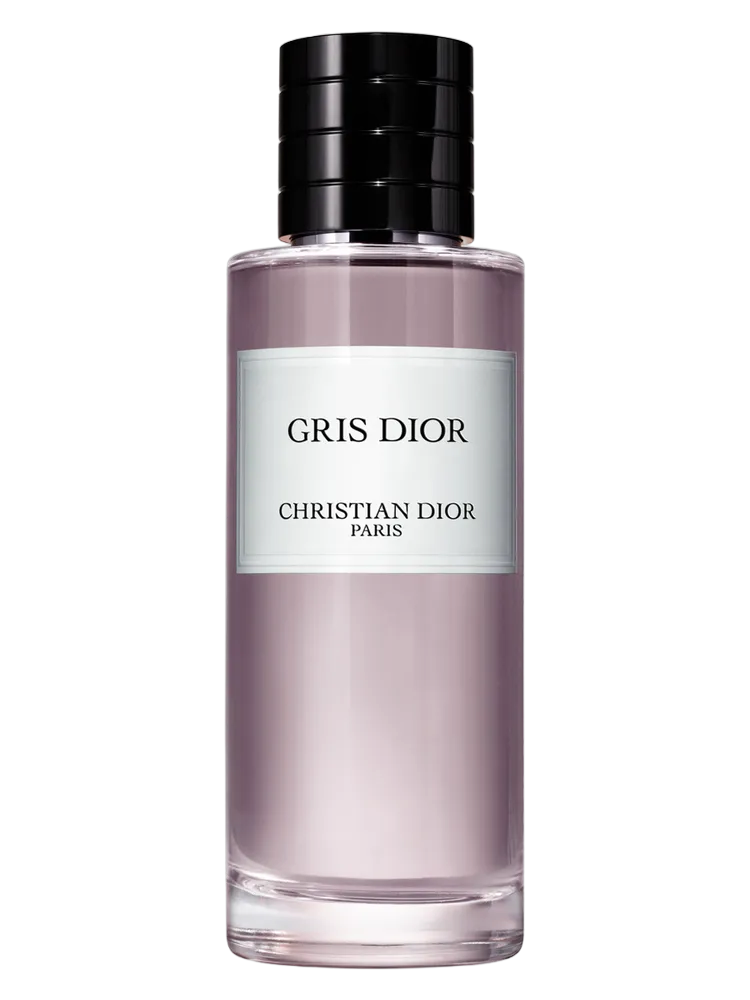
Gris Dior began as Gris Montaigne, Dior's olfactory translation of a specific grey: the color of rain-slicked cobblestones, of fog over the Seine, of a well-worn couture coat. The house has always understood that certain things can't be said with fabric alone. In 2002, François Demachy built this fragrance as a study in restraint. No fanfare. No sweetness. Just the cool mineral weight of oakmoss, a rose that doesn't announce itself, and patchouli that grounds everything without dragging it down. Gris Dior is the house's argument that elegance doesn't need to be loud, that the most powerful statement is sometimes simply the right shade of grey.
If this were a song
Community picks
Jazz In The Middle
The Roots of the Soul
The Beginning
Gris Dior began as Gris Montaigne, Dior's olfactory translation of a specific grey: the color of rain-slicked cobblestones, of fog over the Seine, of a well-worn couture coat. The house has always understood that certain things can't be said with fabric alone. In 2002, François Demachy built this fragrance as a study in restraint. No fanfare. No sweetness. Just the cool mineral weight of oakmoss, a rose that doesn't announce itself, and patchouli that grounds everything without dragging it down. Gris Dior is the house's argument that elegance doesn't need to be loud, that the most powerful statement is sometimes simply the right shade of grey.
The chypre structure is the point. Chypres have always been about contrast: bright citrus up top, soft florals in the middle, and underneath it all, the earthy anchor of oakmoss holding the whole thing together. Gris Dior uses this architecture to create something that shifts depending on when you smell it. In the morning, the bergamot reads clean, almost cool. By afternoon, the rose has warmed it. By evening, the patchouli and cedar are doing the real work, woodsy, slightly dirty, entirely honest. This is a fragrance that rewards patience. The drydown isn't an afterthought. It's where the argument is won.
The Evolution
The first thirty minutes belong to bergamot and rose, bright and powdery at the same time, like petals still damp from morning. Then the oakmoss arrives. Not aggressive, just present. It's the earthy backbone that stops the rose from becoming sweet. The patchouli follows, adding depth without going dark. As the hours pass, the composition narrows. The citrus fades. The florals soften. What remains is a woody, mossy trail that hugs the skin rather than filling a room. The cedar and sandalwood in the base keep it refined. The amber adds just enough warmth so it doesn't go cold. This is a fragrance that gets quieter as it goes, and in that quietness, it becomes memorable. The oakmoss outlasts everything. On fabric, it stays. The next day, you catch it again and understand why you wore it.
Cultural Impact
Gris Dior occupies a particular space in the fragrance world: it's not a crowd-pleaser, but those who love it tend to love it deeply. Wearers describe it as the scent of someone who doesn't need to announce themselves, who has already settled into their own taste and stopped looking for validation. The oakmoss and rose combination reads as refined rather than dated to its admirers, though some find it lacks the sweetness expected of contemporary releases. It's become a quiet benchmark for chypre construction in the luxury market: if you understand why Gris Dior works, you understand why chypres endure.
The House
France · Est. 1946
Christian Dior launched his first fragrance, Miss Dior, the same year he showed the revolutionary New Look in 1947. The house has since built one of the most comprehensive luxury fragrance portfolios in existence, from the masculine reinvention of Sauvage to the couture exclusivity of La Collection Privée. Under perfumer François Demachy, Dior balances mainstream appeal with genuine artistry.
If this were a song
Community picks
Gris Dior sounds like a rainy afternoon in a city that knows how to be quiet. The bergamot opening is all clean lines and restraint, a single piano note held too long. As the rose enters, it adds warmth without sweetness, like a cello section that finally joins the melody. The drydown is where it gets interesting: the oakmoss and cedar create a woody depth that feels like a vinyl record still playing in an empty room. Jazz without trying. Classical without being stiff. Something that rewards sitting with it.
Jazz In The Middle
The Roots of the Soul