
The Story
Why it exists.
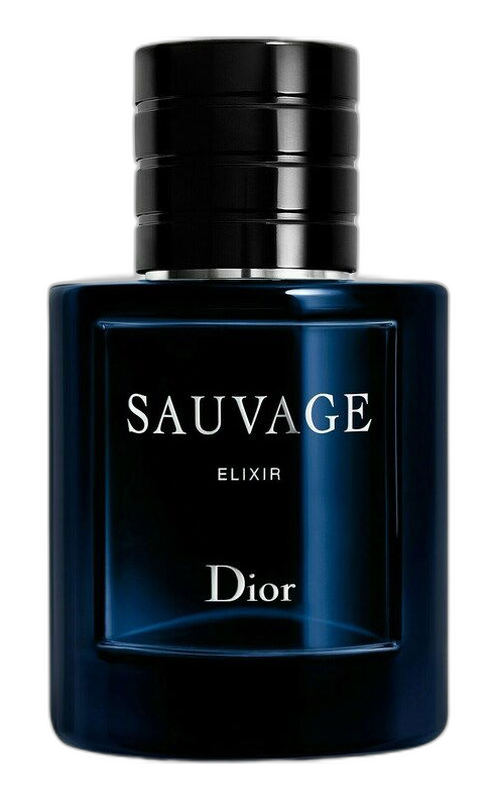
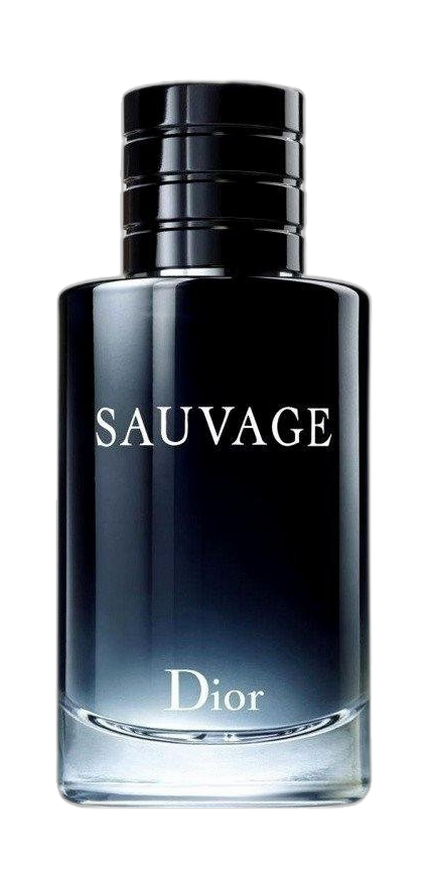
In 2015, Dior's in-house perfumer François Demachy set out to create a fragrance that would capture the raw, untamed essence of wide-open wilderness under an endless blue sky. The name 'Sauvage' deliberately echoes the legendary 1966 Eau Sauvage, though the two fragrances share little beyond their disruptive spirit. Demachy envisioned a scent that would embody the paradox of primal masculinity expressed through radical freshness, a fragrance that feels both ancient and futuristic, wild and meticulously composed.
If this were a song
Community picks
The Man
The Killers
The Beginning
In 2015, Dior's in-house perfumer François Demachy set out to create a fragrance that would capture the raw, untamed essence of wide-open wilderness under an endless blue sky. The name 'Sauvage' deliberately echoes the legendary 1966 Eau Sauvage, though the two fragrances share little beyond their disruptive spirit. Demachy envisioned a scent that would embody the paradox of primal masculinity expressed through radical freshness, a fragrance that feels both ancient and futuristic, wild and meticulously composed.
Upon its release in 2015, Sauvage became an instant global phenomenon. Johnny Depp's brooding campaign imagery and the fragrance's aggressive marketing created a perfect storm. It became one of the best-selling men's fragrances of all time, defining the 'blue' fragrance category for an entire generation and spawning countless imitators.
The Evolution
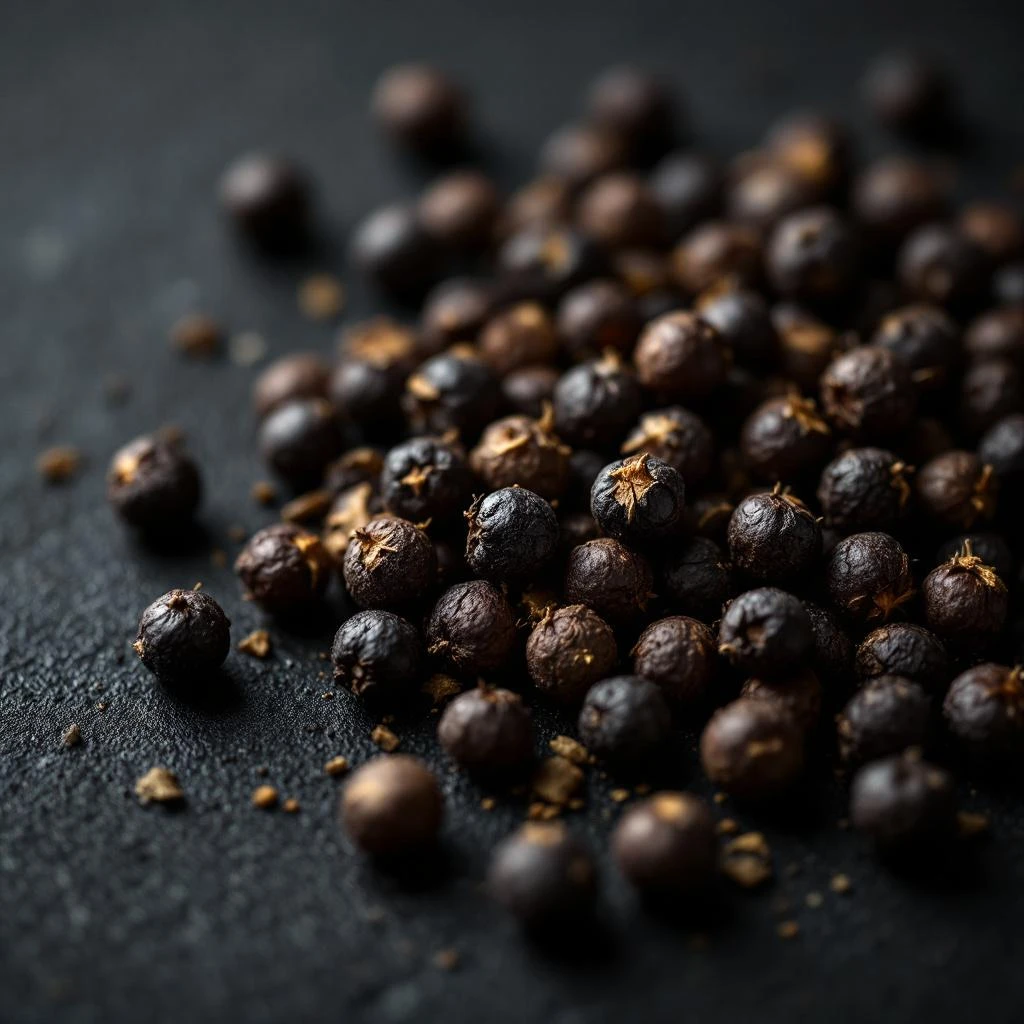
The Sauvage experience begins with an almost violent jolt of radiant bergamot and crackling pepper, an olfactory announcement that demands attention from the first spray. This electric opening gradually surrenders to an aromatic heart where clean lavender and cool geranium provide a masculine backbone, while Sichuan pepper adds an exotic, tingling warmth. But the true genius lies in the drydown: a massive, seemingly endless wave of ambroxan creates a mineralic, woody-amber trail that fuses with skin and projects for hours. The fragrance evolves from sharp brightness to warm depth, never losing its magnetic presence.
Cultural Impact
Sauvage didn't merely participate in the 'blue fragrance' trend, it fundamentally defined the category for the latter half of the 2010s and beyond. Its unprecedented commercial success, driven by Johnny Depp's iconic campaign imagery and François Demachy's accessible yet distinctive composition, transformed it into a genuine cultural phenomenon. The fragrance became so ubiquitous that it generated both fervent devotion and passionate criticism, sparking endless debates in fragrance communities about mass appeal versus artistry. Its influence extends far beyond sales figures, having established the template that countless competitors still attempt to replicate nearly a decade later.
The House
France · Est. 1946
Christian Dior launched his first fragrance, Miss Dior, the same year he showed the revolutionary New Look in 1947. The house has since built one of the most comprehensive luxury fragrance portfolios in existence, from the masculine reinvention of Sauvage to the couture exclusivity of La Collection Privée. Under perfumer François Demachy, Dior balances mainstream appeal with genuine artistry.
The Creator
François DemachyThe house of Dior represents the pinnacle of French luxury, from revolutionary haute couture to iconic fragrances. Each scent is a statement of elegance, audacity, and timeless style.
If this were a song
Community picks
Sauvage has this raw, electric, and undeniably magnetic swagger. 'Do I Wanna Know?' by Arctic Monkeys captures that same vibe: a sleek, modern, and dangerously catchy rhythm with an undercurrent of brooding confidence. It's the sound of walking into a room and knowing every eye is on you.
The Man
The Killers