
The Story
Why it exists.
The beginning
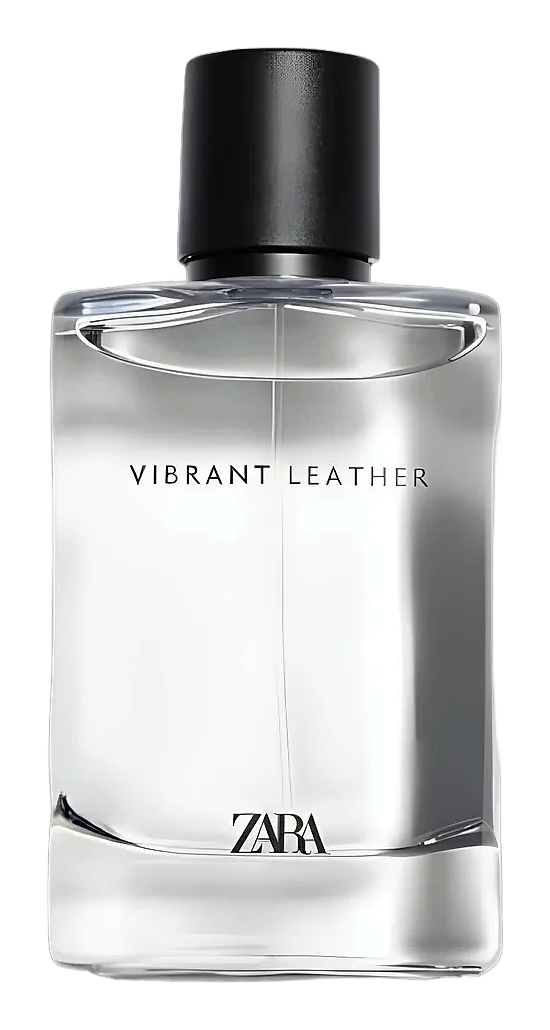
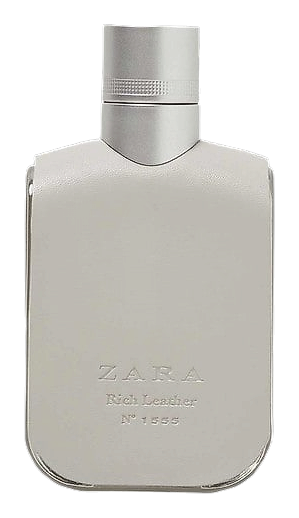
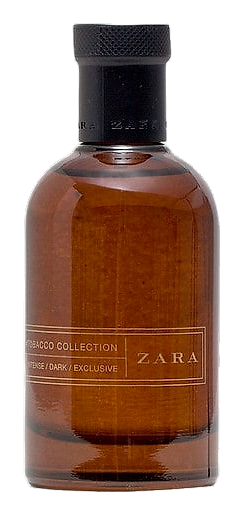
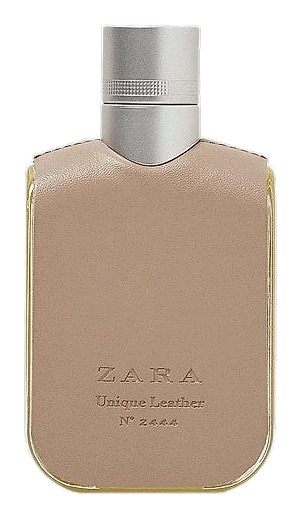
Unique Leather arrived in 2017 as part of Zara's leather series, a trio of fragrances named Gourmand, Unique, and Rich, each housed in bottles designed to mimic soft-touch leather. The pseudo-leather flacon, with its honeycomb texture and top seam, was a statement piece as much as a container. Zara had been building its fragrance credibility since the late 1990s through a partnership with Spanish fragrance house Puig, and by 2017, the brand was ready to play in territory that usually required a much higher price tag.
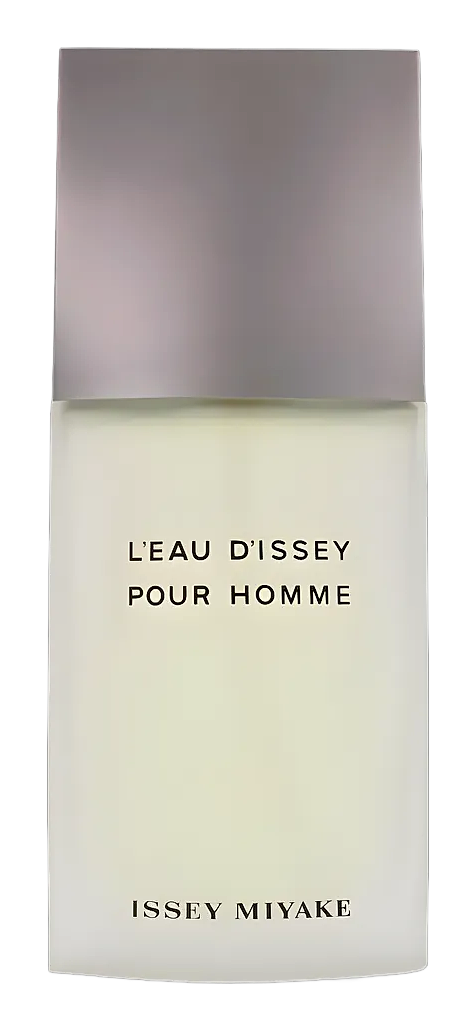
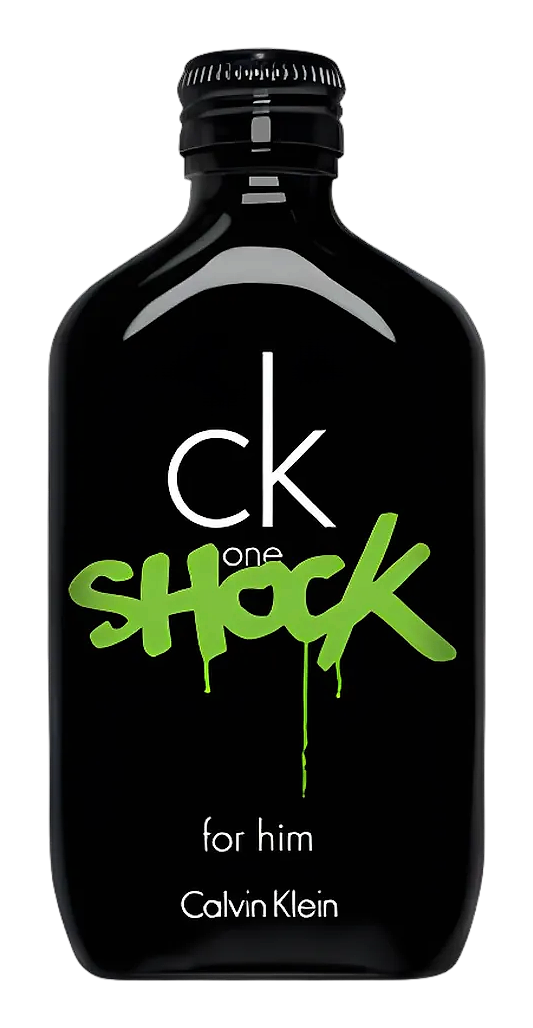
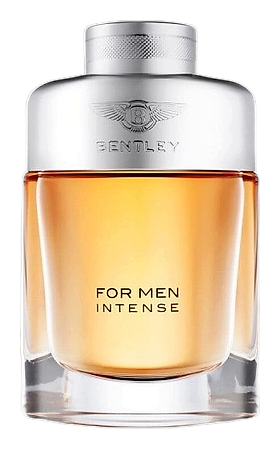
The note structure is worth sitting with. Bergamot opens, sharp, citrus, immediate, then cedes the stage to violet leaf, which brings a green, slightly aquatic quality that keeps the top from feeling like a cleaning product. The real trick is vanilla functioning as a bridge rather than a destination. It's not the dominant note. But without it, the drydown would just be cedar and musk, pleasant, but unremarkable. The vanilla makes the warm woody finish feel intentional rather than accidental. It's a warmer interpretation of the ozonic-citrus archetype, grounded by powdery musk and kept from going too sweet by the cedar backbone.
The evolution
The opening announces itself clearly, bergamot's citrus bite with an ozonic lift that feels almost mineral, like zest on cold stone. This phase is brief, maybe fifteen minutes, before the violet leaf takes over and softens the edges. The heart is where it changes pace. Violet leaf brings a green, dewy quality, crushed stems, rain-touched leaves, that keeps the citrus from disappearing completely while adding aromatic depth. The drydown arrives around the two-hour mark: vanilla cream first, then cedar's dry warmth, then the quiet intimacy of musk on skin. By hour six, it's a skin scent, close, warm, meditative. Not a projection fragrance. Not trying to be.
Cultural impact
Zara's fragrance program has built a loyal following by translating contemporary fashion sensibility into accessible scent profiles. Unique Leather fits into this ethos, designed for the design-literate consumer who wants style without the heritage tax. Community discussions frequently place it alongside fresher, more expensive alternatives, though Zara's approach stands on its own terms.