
The Story
Why it exists.
The beginning
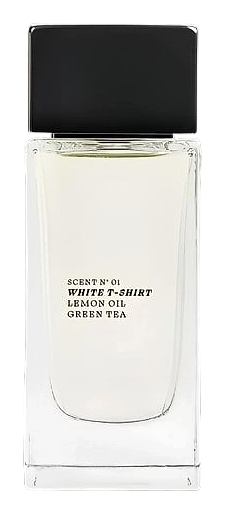
White T-Shirt No 01 arrived in 2026 as the flagship of Zara's 90's Archive Collection, a deliberate nod to the era's stripped-back, wearable aromas. The creative brief was straightforward: translate the crisp, familiar feeling of a freshly laundered white tee into scent form. Drawing on Zara's core identity as a brand focused on accessible, trend-forward essentials, the perfumer rejected complexity in favor of recognizable simplicity. Lemon provides the initial impression of cleanliness, Green Tea and Pear build a quiet, modern heart that evokes morning rituals, and Moss ties the composition back to something organic, like fabric dried in open air.
The note selection reflects a philosophy of restraint over excess. Lemon captures the idea of something new and unadorned, while Green Tea and Pear together create a restrained, watery freshness that feels modern rather than nostalgic. Moss in the base grounds the composition with organic earthiness, preventing the scent from feeling purely synthetic or cleaning-product-like. The pairing rationale prioritizes recognizability over artistry, making White T-Shirt No 01 a scent that evokes a feeling rather than showcases technical perfumery.
The evolution
The fragrance unfolds in a clear three-act progression designed to mirror the lifecycle of a garment. Lemon opens with sharp, almost acidic brightness, evoking detergent or citrus cleaning products. Within the first ten minutes, Green Tea tempers the citrus with its clear, slightly bitter character while Pear softens the transition, adding a subtle sweetness that feels natural rather than synthetic. As the heart fades, Moss settles into the skin with a damp, earthy quality that provides the only real depth in the composition. The evolution is meant to feel like the natural progression of wearing a fresh tee through a busy day.
Cultural impact
The Italian lemon has long been a symbol of Mediterranean vitality, its bright zest reflecting centuries of trade, cuisine, and daily ritual. In Italy, lemons are harvested in the sun‑kissed groves of the Amalfi Coast, where families have tended the trees for generations, passing down techniques for extracting the purest oil and zest. This heritage infuses the scent with a sense of place, evoking bustling market stalls, sun‑warmed stone walls, and the crisp sea breeze that carries the citrus aroma inland. By referencing this iconic fruit, the fragrance taps into a collective memory of freshness and optimism, linking modern wearers to a tradition of lively, uplifting moments that have defined Italian lifestyle for centuries.