The Story
Why it exists.
The beginning
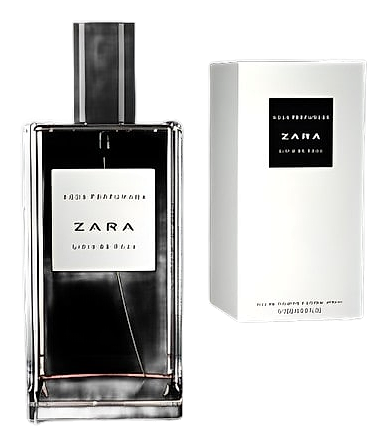
Rosa Bulgara was born from Zara's Agua Parfumada collection in 2008, developed in collaboration with Spanish fragrance house Puig. The name says it plainly, Bulgarian rose, sourced from the Rosa Damascena fields of the Rose Valley in Bulgaria, where flowers are harvested by hand during a short blooming window each spring. The Agua Parfumada concept aimed for flacons that were minimal, elegant, and classic, not trying to reinvent perfumery, just getting the essentials right. Rosa Bulgara was one of three releases in that collection, alongside Flor de Ahazan and Lirio de Aqua.
Three materials. Magnolia, rose, sandalwood. That's the whole pyramid, and there's something honest about that restraint. The composition isn't trying to be novel or complex, it's trying to be wearable and balanced, which is harder than it sounds when you're working with materials that could so easily overpower each other. Magnolia brings a cool, slightly waxy floral quality with a hint of citrus in its top-note brightness. Bulgarian rose adds warmth and a distinctive powdery character that reads more like petals on warm skin than a sharp, heady bloom. Sandalwood anchors everything in a creamy, woody register that extends the wear without pushing the fragrance into gourmand territory.
The evolution
Magnolia announces first. That cool, waxy blossom opens with a hint of citrus, lasting through the first hour before the rose takes over. The transition isn't dramatic, more of a gentle handoff, the magnolia softening while Bulgarian rose steps in with its powdery warmth. This is rose as petals, not rose as a single demanding bloom. The sillage stays moderate throughout, intimate and close rather than room-filling. As the rose begins to settle, sandalwood gradually becomes perceptible underneath, creamy, woody, extending the wear without ever becoming heavy or animalic. The drydown is clean and pleasant, a quiet finish that lingers close to the skin long after the top notes have faded. On fabric, it lasts well into the next day, a ghost of warmth that doesn't fully disappear.
Cultural impact
Rosa Bulgara arrived in 2008 during a period when high-street fashion brands were aggressively expanding into beauty and fragrance, testing whether designer-quality scents could exist outside traditional perfume houses. Zara's Agua Parfumada collection, of which Rosa Bulgara was a founding member, represented an early experiment in democratizing complex fragrance construction. Rather than relying on mass-market synthetic blends common to fast-fashion beauty at the time, the partnership with Spanish fragrance house Puig brought professional-level formulation expertise to an accessible price point. The three-note pyramid structure, magnolia, rose, sandalwood, echoed classical perfumery principles while remaining stripped of pretension.