The Story
Why it exists.
The beginning
Nostalgia Blue arrived in 2023 from Zara, designed by perfumer Ilias Ermenidis. The name carries its intent openly, this isn't about discovery or adventure. It's about the person you already are, filtered through scent memory. Ermenidis built the composition around contrast: sharp opening notes that recede into warmth, bold spice that settles into something almost tender. The official copy describes it as 'a nostalgic reflection of your personality, of the way you are in the world', which sidesteps the typical fragrance positioning entirely. Instead of promising transformation, it promises recognition.
What makes Nostalgia Blue structurally unusual is the repetition of notes across the pyramid. Cardamom, lavender, saffron, and geranium appear in multiple stages, which typically creates coherence but risks monotony. Here, the repetition serves a different purpose: it allows the same materials to read differently as the composition evolves. The cardamom that opens sharp and assertive becomes something rounder in the heart. The vanilla that anchors the base doesn't arrive suddenly, it's been present all along, waiting to surface once the louder elements exhaust themselves. This layering strategy transforms simple materials into something more complex than the note list suggests.
The evolution
The opening hits with immediate presence. Cardamom's green spice arrives sharp and clean, supported by saffron's metallic warmth. The lavender reads cooler than expected, more herbal than comforting, more angular than soft. For the first thirty minutes, this fragrance announces itself. Then the hand-off begins. The spice recedes and the leather emerges, not as an overt note but as a texture that shapes everything else. Patchouli and ambroxan deepen the composition, adding earthiness and a subtle animalic quality that makes the heart feel richer than the opening suggested. The vanilla doesn't arrive dramatically, it's been waiting underneath, surfacing gradually as the stronger elements soften. By hour three, the fragrance has transformed into something warm and close. The drydown reads as leather and vanilla with a whisper of geranium florals, intimate in the best way. On fabric, it lingers into the next day, a faint warmth that surprises you in the morning wash.
Cultural impact
Zara's fragrance strategy has shifted toward accessible luxury, and Nostalgia Blue (2023) represents that push toward complexity at mass-market prices. The blend of cardamom, saffron, and lavender fits a broader cultural moment where consumers seek sophisticated, layered scents without high-end price tags. Its success signals how affordable fragrances can influence and even set trends in the wider fragrance landscape.
The House
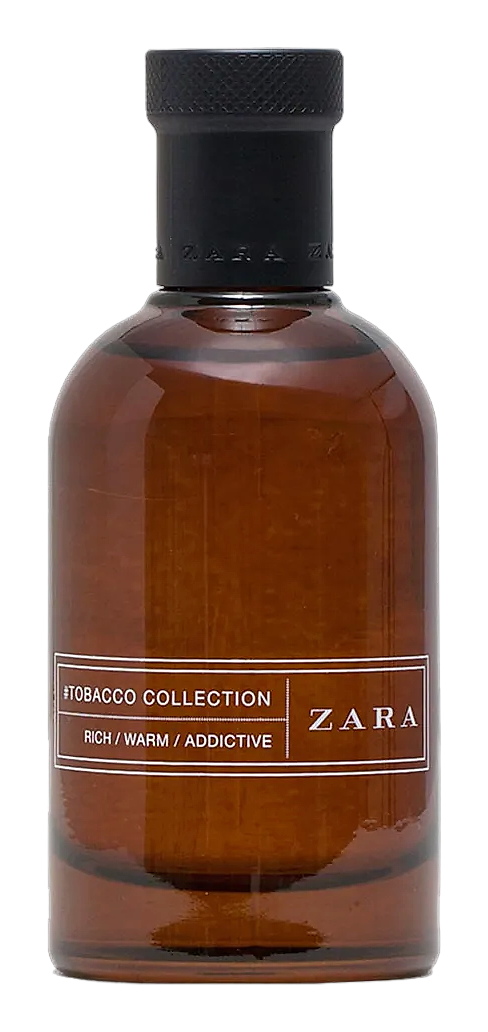
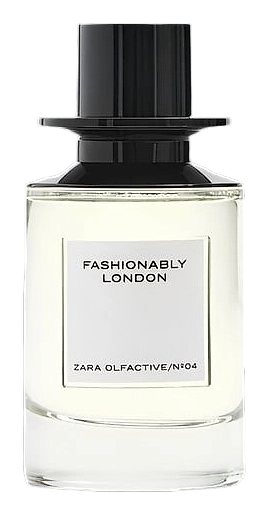
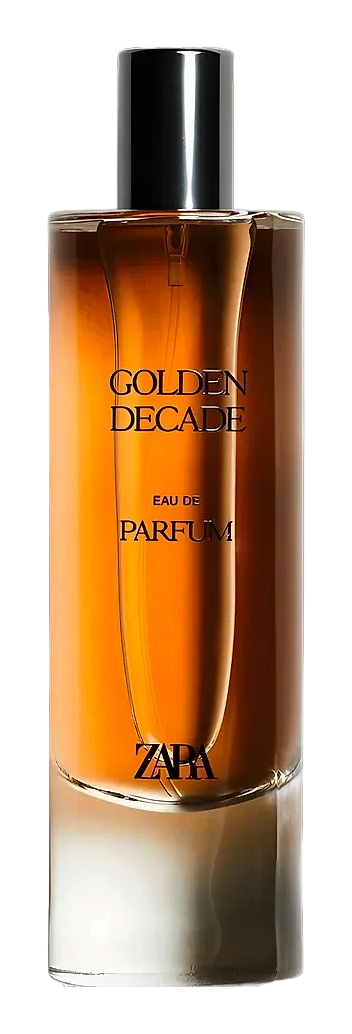
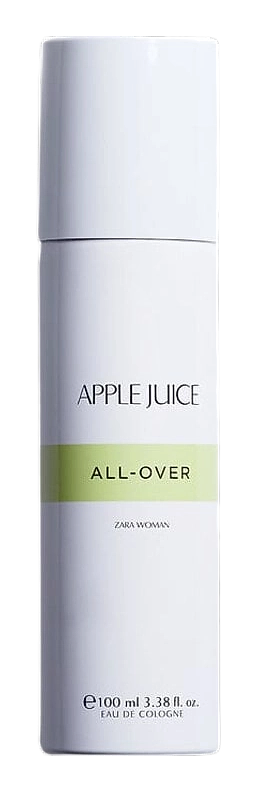
ZaraZara is a Spanish fashion retailer headquartered in Arteixo, Galicia, operating under the Inditex group. Founded in 1975 by Amancio Ortega and Rosalía Mera, the brand evolved from a single store into a global fashion powerhouse with over 2,000 locations across 90 countries. Zara entered the fragrance market in 1998 through a partnership with Spanish fragrance house Puig. The brand gained significant attention in the fragrance world through its 2019 collaboration with independent perfumer Jo Malone CBE, founder of Jo Loves. Zara fragrances are available through the brand's own boutiques and online store, positioned alongside its clothing, accessories, and home goods lines. The brand's fragrance portfolio spans diverse styles, from gourmand favorites like Delicious Peach (2024) to timeless classics such as Zara Man 2000, with recent releases including Vibrant Leather Summer Breeze (2025).
The Creator
Ilias ErmenidisThe Greek-Turkish nose favors transparent structures built on a solid base of natural absolutes. He reaches for oud, ambergris, and rose de mai, but always layers them with unexpected modifiers—citrus zest, spice tinctures, or a whisper of leather.