
The Story
Why it exists.
The beginning
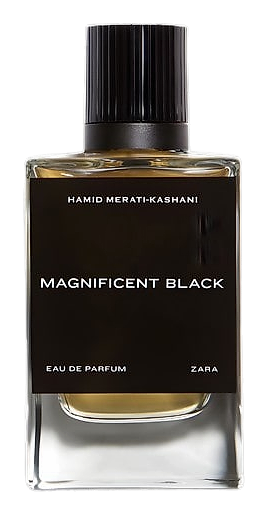
Hamid Merati-Kashani built Magnificent Black around a collision, three fragrance worlds that shouldn't fit together: mineral freshness, woody depth, and floral leather. The 2023 release doesn't try to reconcile them so much as let them fight and, in the friction, create something that holds attention. The mineral accord acts like cold water on skin, a starting point that keeps everything else grounded. Violet and jasmine slide through the middle, bringing softness the leather needs. Patchouli, vetiver, cedar, these anchor the thing so it doesn't float away. Men who want a scent that does something different with familiar materials will find it here.
What makes this work is the mineral. Not aquatic, not oceanic, something drier. The smell of cold stone near water, not water itself. It threads through the whole composition rather than just opening, which gives the amber something to play against that isn't sweetness. The leather stays present without becoming a stereotype, no harshness, no mustiness. It reads as material rather than memory. The violet-to-jasmine transition is the surprise: powdery then soft, the florals don't announce themselves, they infiltrate.
The evolution
The opening hits mineral and aquatic first, cold, clean, a little synthetic in the best way. Twenty minutes in, the amber arrives properly and the mineral shifts from marine to powdery-mineral, like the smell of clean skin after a swim. Violet announces itself around the 30-minute mark, powdery and insistent, bridging the cool opening to the warmer leather now emerging from below. The leather doesn't dominate, it coexists. Patchouli and cedar arrive in the drydown around the two-hour mark, adding earth and wood to the leather, while amber and mineral stay close. The final hours are warm woods and residual amber with a faint mineral trail. On fabric, the mineral fades first; the amber and cedar linger into the next morning.
Cultural impact
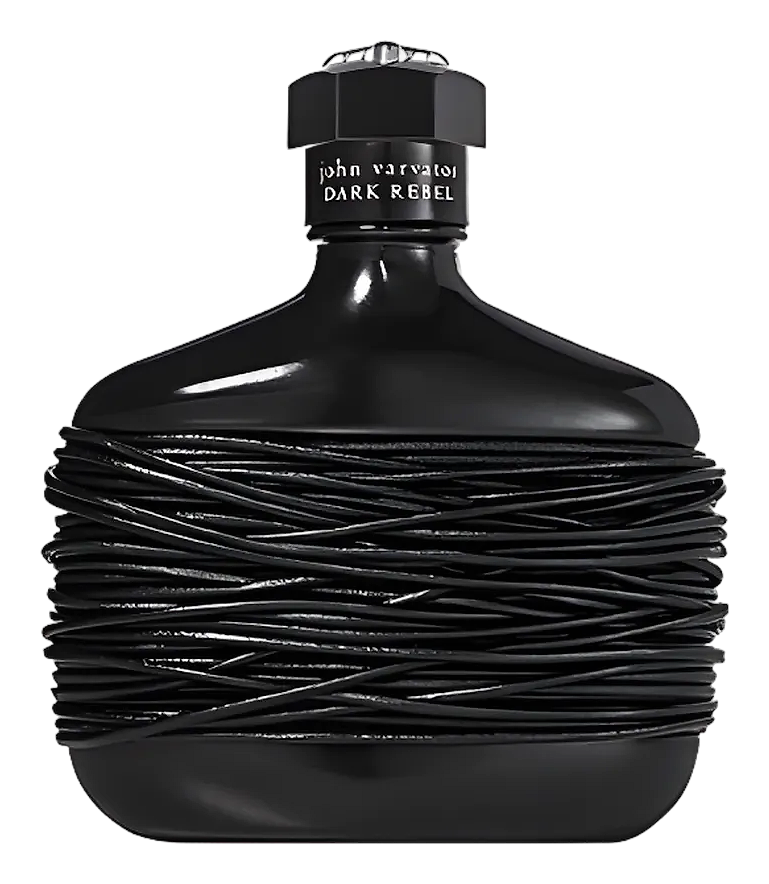
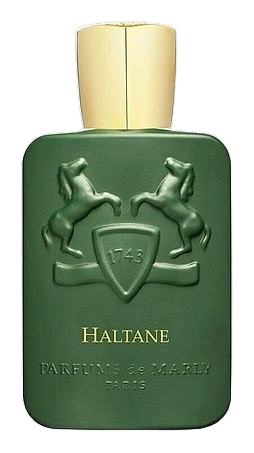
Magnificent Black occupies a specific niche: amber-forward enough for mainstream appeal, mineral enough to feel contemporary, leather-backed enough to signal intent. Zara has built a loyal following among enthusiasts who appreciate professional results without professional prices. Wearers describe it as the kind of scent someone who walks into a room and does not need to announce themselves would choose. It shares territory with M7 and Haltane, but at a fraction of the cost.
The House
ZaraZara is a Spanish fashion retailer headquartered in Arteixo, Galicia, operating under the Inditex group. Founded in 1975 by Amancio Ortega and Rosalía Mera, the brand evolved from a single store into a global fashion powerhouse with over 2,000 locations across 90 countries. Zara entered the fragrance market in 1998 through a partnership with Spanish fragrance house Puig. The brand gained significant attention in the fragrance world through its 2019 collaboration with independent perfumer Jo Malone CBE, founder of Jo Loves. Zara fragrances are available through the brand's own boutiques and online store, positioned alongside its clothing, accessories, and home goods lines. The brand's fragrance portfolio spans diverse styles, from gourmand favorites like Delicious Peach (2024) to timeless classics such as Zara Man 2000, with recent releases including Vibrant Leather Summer Breeze (2025).
The Creator
Hamid Merati-KashaniFrom the evidence available, Merati-Kashani's style tends toward the opulent and the gourmand, with a clear appreciation for rich, complex accords. There's often a signature use of vanilla, spices, and woods, creating fragrances that are warm and inviting.