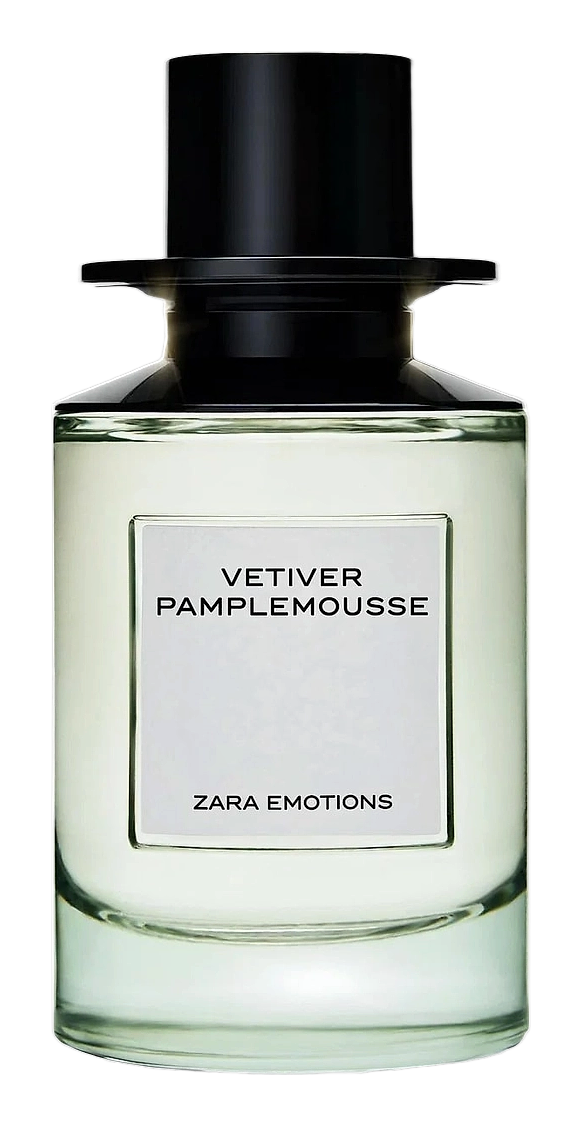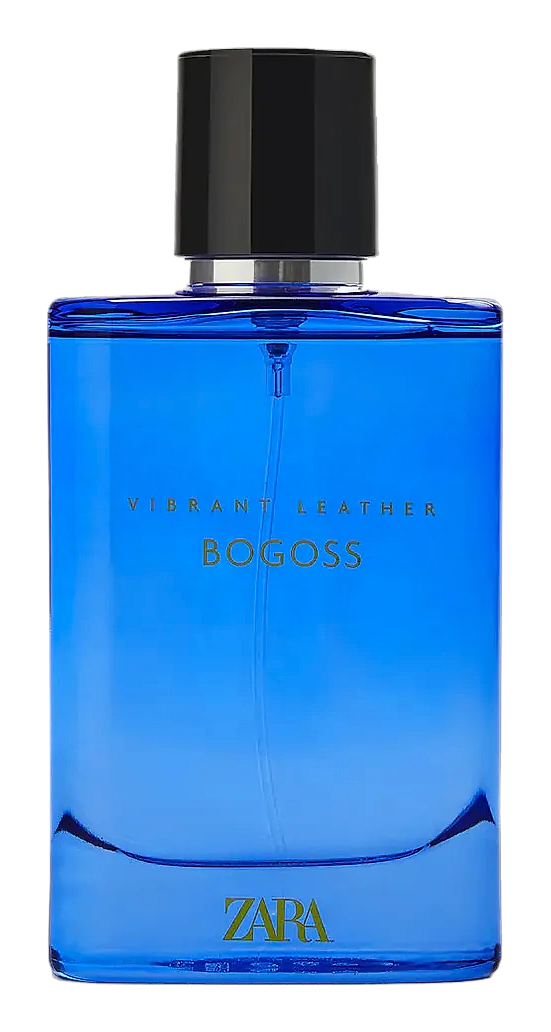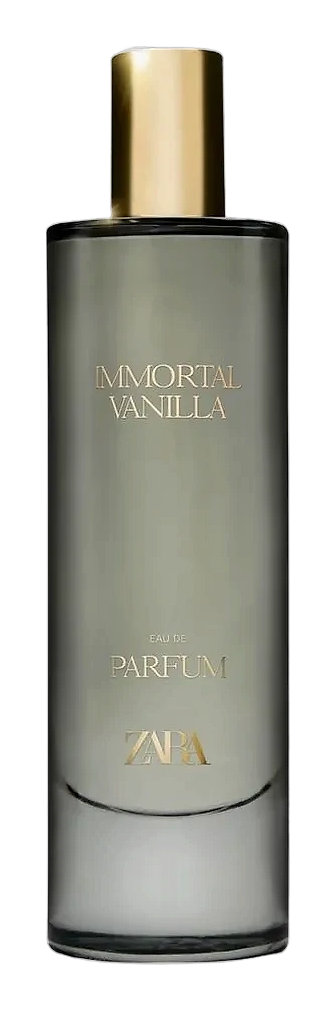
The Story
Why it exists.
The beginning
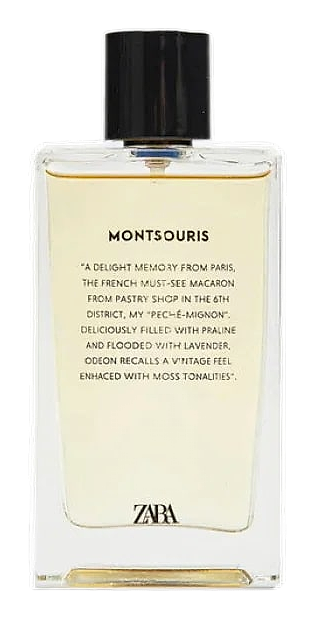
Montsouris lands on the map in 2020, composed by Emilie Bevierre-Coppermann. The name borrows from Parc Montsouris, the green space in Paris's 14th arrondissement. The fragrance sits inside Zara's Paris Stories collection. And for Montsouris, the place isn't the city of monuments. It's the softer, after-hours version. The Paris Stories concept treats scent as a way of carrying a specific corner of the city, the kind of place you wander into rather than plan a trip around. Montsouris, as a park, fits that brief: a leafy pocket where the pace slows and the light shifts differently than it does among Haussmannian boulevards. There's something deliberately unhurried about the composition itself. It doesn't open with a shout.
What makes the composition worth a second look is the pairing of praline and lavender, two materials that don't naturally share the same sentence. Praline is confectionery, warm, almost edible. Lavender is herbal, cool, a little aloof. Stack them together and you get tension. Bergamot steps in as the mediator, bright and slightly bitter, keeping the sweetness honest. The base then settles into moss, cedarwood, and amber, which ground the gourmand tendencies before they drift into candy territory. It's a structure that refuses to be just one thing, sweet, but also green. Confectionery, but also cologne. That's the distinction the formula is building.
The evolution
The first ten minutes are louder than you'd expect. Bergamot and grapefruit cut a sharp line, then praline rolls in underneath, heavy and warm, almost liquid. Lavender does its work in the background, keeping the sweetness from collapsing into pure sugar. By the thirty-minute mark, the composition finds its footing. Cedarwood and amber start to emerge, the praline loses its gloss, and the whole thing tightens into something closer to skin-warm than fresh-out-of-the-bottle. Jasmine and moss flicker in and out. Eventually, it becomes a quiet operation. Sweet, but contained. Woody, but soft. The drydown is where Montsouris earns its reputation: amber, cedarwood, and a whisper of praline hang around close to the skin, leaving a trail that's more memory than announcement. The transition from top to base is remarkably deliberate.
Cultural impact
Montsouris carries a reputation that extends well beyond Zara's usual customer base. It sits comfortably in conversations about accessible fragrances that perform like more expensive options, a category that has grown steadily as collectors and curious wearers alike look for compositions that don't carry a luxury markup. The scent profiles as sweet, woody, and praline-forward, and that particular combination has drawn attention from people who already own bottles in the same vein at higher price points.
The House
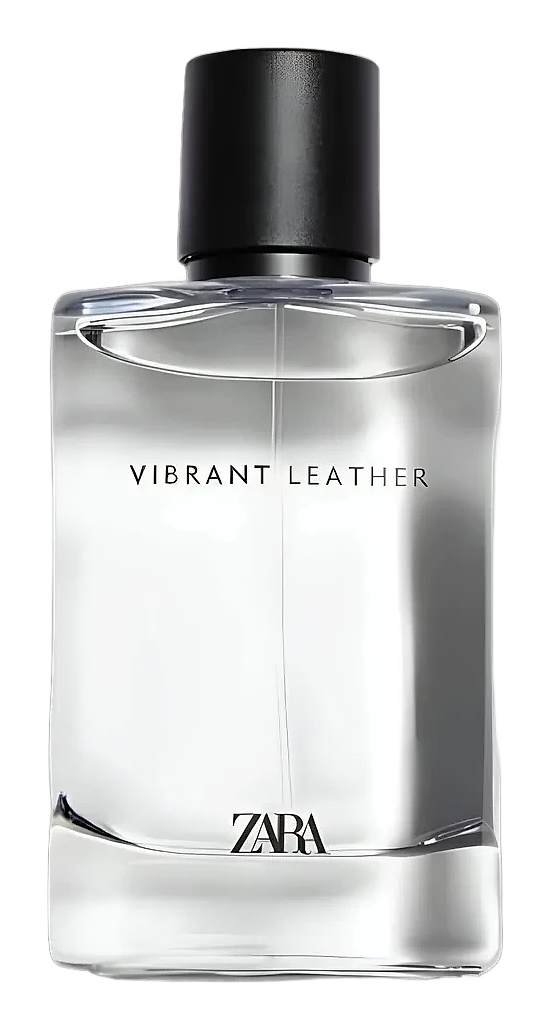
ZaraZara is a Spanish fashion retailer headquartered in Arteixo, Galicia, operating under the Inditex group. Founded in 1975 by Amancio Ortega and Rosalía Mera, the brand evolved from a single store into a global fashion powerhouse with over 2,000 locations across 90 countries. Zara entered the fragrance market in 1998 through a partnership with Spanish fragrance house Puig. The brand gained significant attention in the fragrance world through its 2019 collaboration with independent perfumer Jo Malone CBE, founder of Jo Loves. Zara fragrances are available through the brand's own boutiques and online store, positioned alongside its clothing, accessories, and home goods lines. The brand's fragrance portfolio spans diverse styles, from gourmand favorites like Delicious Peach (2024) to timeless classics such as Zara Man 2000, with recent releases including Vibrant Leather Summer Breeze (2025).
The Creator
Emilie Bevierre-CoppermannÉmilie favors crisp, structured compositions that balance bright top notes with a warm, lingering base. She often begins with a clear, aromatic opening—citrus, green tea or a sparkling berry—then anchors the piece with woods, amber or subtle musk.