The Story
Why it exists.
The beginning
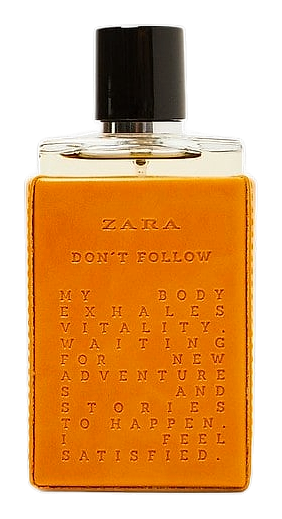
Don't Follow arrived in 2018 as Zara's statement on what a men's fragrance could be when it stops trying to prove itself. The name isn't a question, it's a refusal. Not a rebellion dressed up for attention, but the quieter kind: the decision to trust your own instinct over consensus. Bergamot and amber form the recognizable architecture, the kind of opening and base that signal "this is a serious fragrance." But the heart is violet, and that's where the real statement lives.
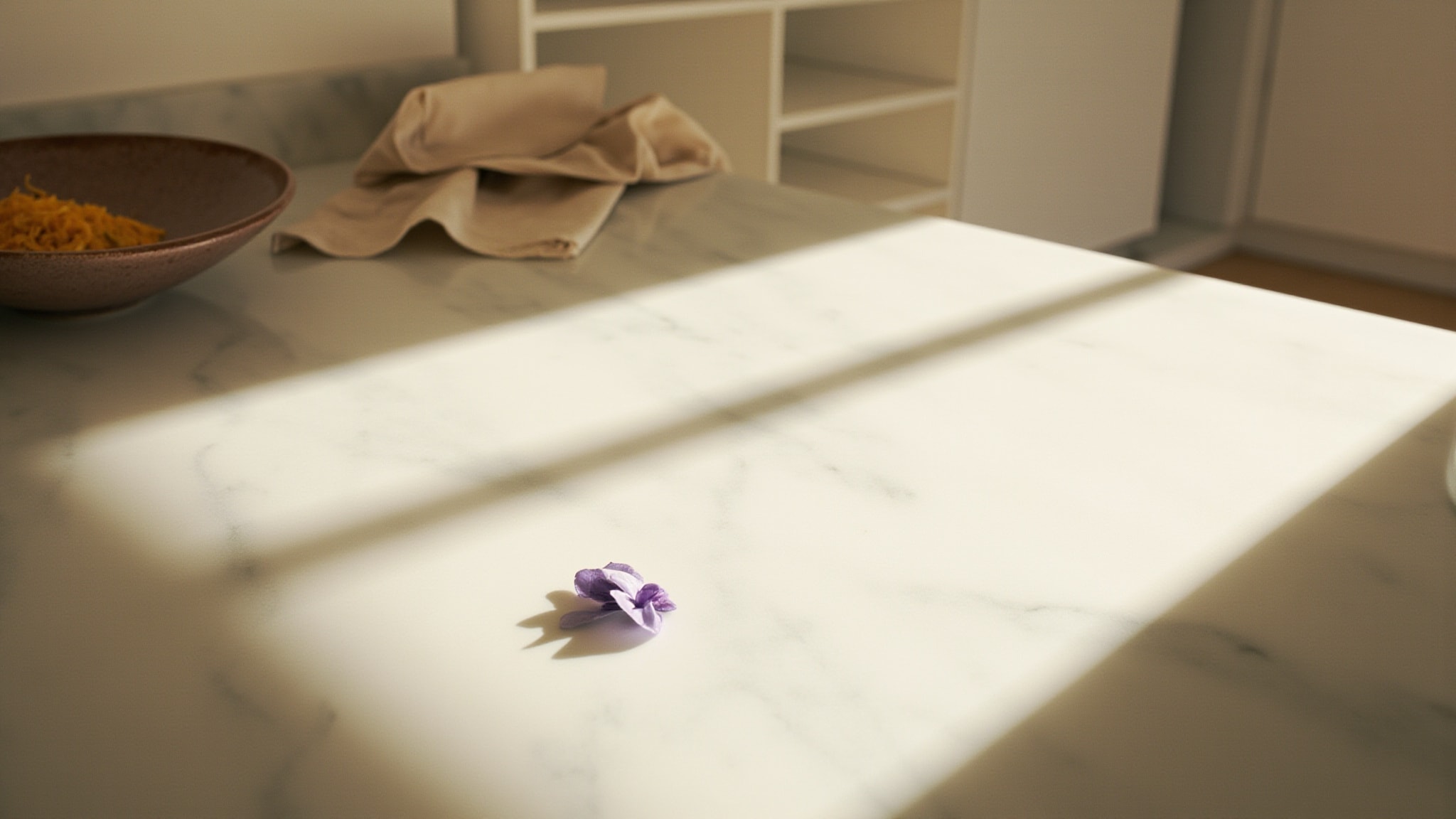
Violet in a men's fragrance is still uncommon enough to raise eyebrows, and that's precisely its appeal. It doesn't announce itself. It doesn't compete. It just sits there, powdery and soft, refusing to perform. Combined with the amber base, the overall effect is warm without being heavy, soft without disappearing. It's a fragrance for someone who chose it because they genuinely liked it, not because a friend recommended it or a clerk steered them there.
The evolution
Bergamot opens sharp and clean, the kind of citrus that announces itself in the first thirty seconds, then steps back. The violet arrives within minutes, shifting the energy from bright to something quieter. By the second hour, amber takes over, wrapping everything in warmth that's skin-close rather than projecting. The drydown is intimate, powdery-soft, the kind of scent that only someone pressed close to you will catch. On fabric, it lingers longer, violet and amber settling into cotton like a secret kept between washes.
Cultural impact
Zara fragrances occupy a specific space: the design-literate buyer who wants something that smells intentional without the traditional luxury markup. Don't Follow fits that mold perfectly. It doesn't pretend to be something it's not, and that honesty has resonance for a certain type of wearer, one who knows what they like and doesn't need external validation.