The Story
Why it exists.
The beginning
The #dystopia collection has a specific mission: confrontational fragrances that challenge what synthetic materials can do. Zara 002 Astral Veil enters that lineup as the transparent one. Not the loud one, not the dark one, the one that relies entirely on what a single synthetic note can become at high concentration. Perfumer Jordi Fernández pushed Hedione to the center of the composition, building everything else around its airy, luminous quality. The result is a fragrance that doesn't announce itself. It arrives. It settles. It stays.
Hedione is one of perfumery's most interesting materials: a synthetic molecule that smells like jasmine's best qualities distilled into something cleaner, more transparent, more abstract. At standard concentrations, it adds freshness and lift. At the concentration used here, the brand doesn't hide that this is a deliberate overdose, it becomes the fragrance. The other materials (sandalwood, cashmeran, musk) exist to give that Hedione-forward transparency somewhere warm to land. They're not supporting players in the traditional sense. They're the reason the transparency feels cozy rather than cold.
The evolution
The opening hits bright and almost clinical, mandarin's zest cutting through cardamom's clean spiced edge. It reads synthetic in the best way: precise, luminous, like light through clean glass. Then the transition starts. Around the 30-minute mark, Hedione takes over. The floralcy becomes the thing, not lily of the valley as you'd recognize it, but a synthetic interpretation that's somehow more lily than lily. The sandalwood underneath softens everything, keeps it from floating away entirely. Two hours in, the drydown settles close. Cashmeran and musk wrap around the Hedione and don't let go. The amber is the tell, it adds weight without sweetness, depth without darkness. On fabric, this lasts into the next day. On skin, expect 8-10 hours of something that never gets loud but never fully disappears.
Cultural impact
Zara's 2025 release continues the brand's strategy of leveraging strategic partnerships over proprietary perfumery. The #dystopia collection frames each fragrance as a confrontation with expectations, this one takes on the idea of transparency, asking whether synthetic materials can create something that feels genuinely luminous. The response online splits clearly: some find the Hedione-forward character groundbreaking, others find it too reductive. Either way, it's generated more discussion than most Zara releases. That alone says something.
The House
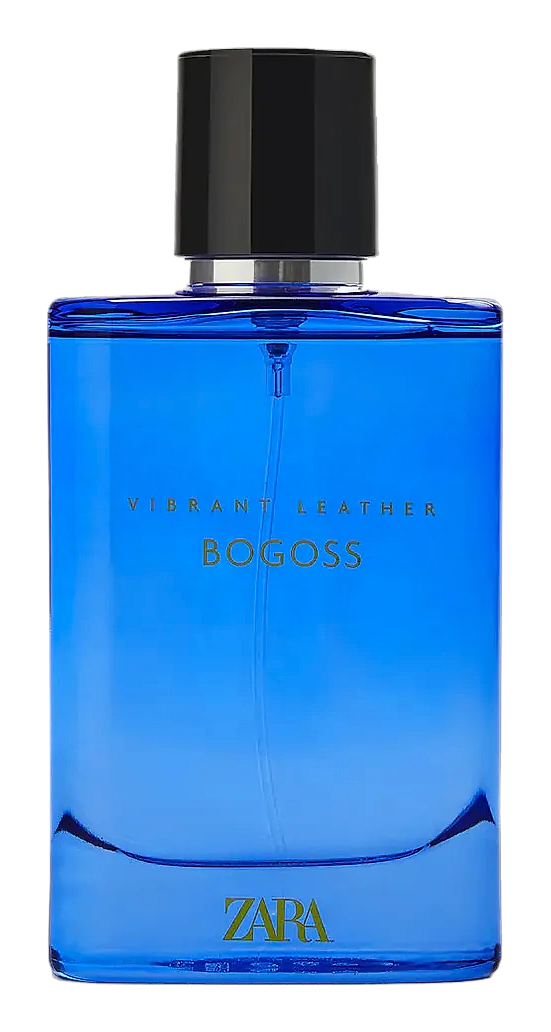
ZaraZara is a Spanish fashion retailer headquartered in Arteixo, Galicia, operating under the Inditex group. Founded in 1975 by Amancio Ortega and Rosalía Mera, the brand evolved from a single store into a global fashion powerhouse with over 2,000 locations across 90 countries. Zara entered the fragrance market in 1998 through a partnership with Spanish fragrance house Puig. The brand gained significant attention in the fragrance world through its 2019 collaboration with independent perfumer Jo Malone CBE, founder of Jo Loves. Zara fragrances are available through the brand's own boutiques and online store, positioned alongside its clothing, accessories, and home goods lines. The brand's fragrance portfolio spans diverse styles, from gourmand favorites like Delicious Peach (2024) to timeless classics such as Zara Man 2000, with recent releases including Vibrant Leather Summer Breeze (2025).
The Creator
Jordi FernándezBased on his work, Jordi Fernández displays a penchant for complex compositions, often featuring contrasting elements that create a sense of intrigue. He seems comfortable working with both rich, opulent notes like oud and lighter, more refreshing ingredients such as fruits an…