
The Story
Why it exists.
The beginning
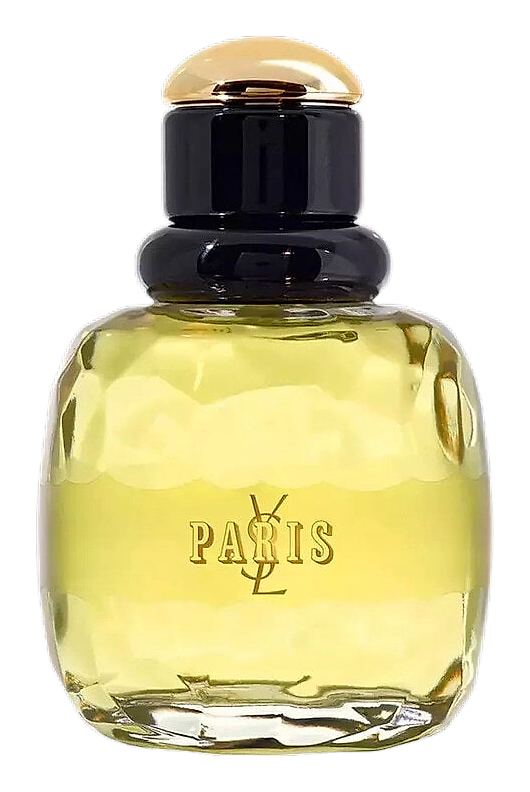
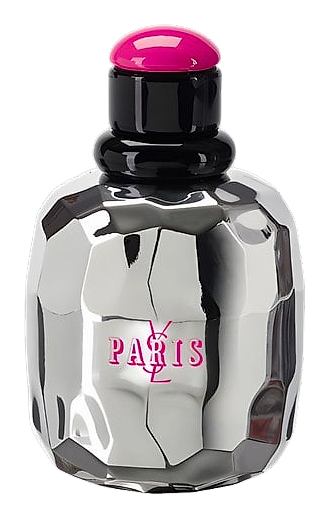
Paris Rebel Collector landed in 2014 as a reinterpretation of the 1983 classic Paris, a fragrance that defined romantic femininity for an entire generation. YSL asked Loc Dong to do the impossible: find the hidden edge in something universally beloved. The answer was unexpected energy. That energy lives in tomato leaf, a material most perfumers avoid for its vegetal, almost sharp character. It was a bold choice. It was also the right one.
Tomato leaf brings something rarely found in rose-dominant compositions: a green, slightly bitter note that reads more botanical than floral. Combined with pink pepper's subtle spice, it prevents the rose from settling into expected sweetness. Instead, the heart becomes an assertion rather than an invitation. The musk and amber that follow don't soften this tension, they amplify it, creating a base that feels warm but grounded, never powdery or retiring. The rebel isn't trying to please. That's the point.
The evolution
The opening hits fast: citruses brighten for thirty seconds, then pink pepper and tomato leaf arrive together. The green note dominates immediately, a sharp, crushed-stem intensity that catches most wearers off guard. It's jarring. It's alive. Then, around the ninety-minute mark, the rose takes over completely. Not gradually. Assertively. The shift feels almost sudden, as if the composition remembered what it was always meant to be. By hour three, the drydown reveals its warmth: amber settling close, musk hugging skin, the tomato leaf faded to a memory. On fabric, it lasts until the next morning, fainter, sweeter, the green gone entirely. That's when you realize it's gone and want it back.
Cultural impact
Paris Rebel Collector occupies an unusual position: it's a flankier that doesn't feel like a cash grab. The 1983 Paris was beloved precisely because it embodied a certain Parisian romanticism, soft, pretty, feminine in the classical sense. The 2014 version keeps the rose but adds the tomato leaf, and that single addition reframes the entire composition. It appeals to wearers who want rose but find traditional floral orientations too sweet or too predictable. The result is a fragrance that works equally well in spring and autumn, daytime and evening, though it truly shines in cooler weather when its warmth has room to develop.